You probably think of election administration as a dry, bureaucratic chore run by quiet public servants in municipal basements. For decades, it was. But right now, the machinery that counts American ballots has become a high-stakes partisan battleground.
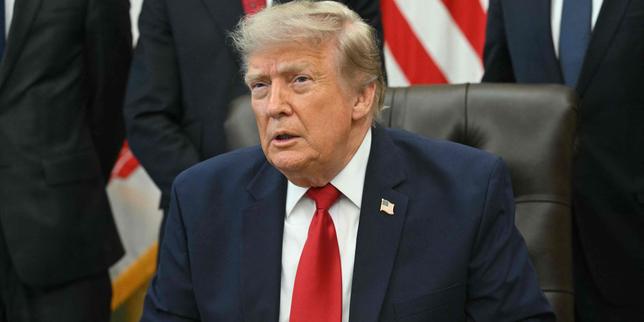
Donald Trump is executing a systematic, multi-pronged effort to seize control of how U.S. elections are organized. From firing independent federal commissioners to pushing aggressive executive orders and pressuring local boards, the White House is testing the limits of presidential power.
If you are trying to understand the sudden waves of litigation and administrative chaos ahead of the 2026 midterms, you do not need to look far. The blueprint is out in the open.
Gutting the Federal Guardrails
To understand what is happening, look at the recent decapitation of the Election Assistance Commission (EAC).
In July 2026, Trump fired the last remaining commissioners of this independent federal agency. The EAC does not actually run elections—states do that—but it serves a vital backend role: it certifies voting machines, distributes election security grants, and maintains national voter registration forms.
By abruptly dismissing the Democratic commissioners and pushing the remaining Republican to resign, Trump effectively paralyzed the agency. Without commissioners, the EAC cannot vote on any formal actions. It cannot update standards or adapt registration forms.
Why do this? Critics see a blatant power grab designed to invite chaos right before the midterms. By removing bipartisan oversight, the administration is clearing the field of independent federal bodies that might contradict its narrative on voting procedures.
The Citizenship Verification Weapon
The administration is not just dismantling agencies; it is actively trying to rewrite the rules of who gets to vote and how.
Trump’s Executive Order 14399, "Ensuring Citizenship Verification and Integrity in Federal Elections," represents a massive attempt to use executive departments to bypass Congress. The order directs the Department of Homeland Security (DHS) and the Social Security Administration (SSA) to build a "State Citizenship List". This list of confirmed U.S. citizens is then sent to state election officials to verify voter rolls.
The executive order also targets the U.S. Postal Service (USPS), trying to force states to notify the mail service months in advance if they plan to mail out ballots.
Trump's Federal Election Strategy:
├─ Decapitate EAC (Fire commissioners to halt independent oversight)
├─ Leverage DHS & SSA (Create federal "State Citizenship Lists" to purge rolls)
└─ Pressurize USPS (Restrict and complicate mail-in ballot timelines)
Many legal scholars and federal judges have already called this a glaring case of executive overreach. Under the U.S. Constitution, the authority to run elections belongs to the states and Congress, not the president. Courts in D.C. and Massachusetts have already blocked major parts of these orders, but the administration is undeterred, relying on a compliant Supreme Court ruling that expanded the president’s power to fire independent agency heads.
Local Boards as the Real Battleground
While the national headlines focus on executive orders and federal firings, the real, gritty street fight is happening at the local level.
Local and state election boards are the ones who actually count the ballots, certify results, and maintain the voter lists. Trump’s allies have spent the last few years systematically targeting these quiet offices, replacing nonpartisan professionals with highly partisan activists.
- Georgia: The State Election Board, reshaped after the removal of nonpartisan voices, has attempted to push through rules allowing local board members to delay or refuse certification.
- North Carolina: In April 2026, the state board bent to federal pressure, voting to send the state's entire voter roll to DHS for immigration-status screening.
- Arizona and Nevada: Local county supervisors have repeatedly flirted with refusing to certify vote tallies, citing unproven claims of machine manipulation.
By politicizing these administrative bodies, the Trump campaign has built a network of officials who are willing to question results from the inside. This is not just about changing the rules; it is about building an apparatus that can contest, delay, or block the certification of any election result they do not like.
What You Can Do to Prepare
With the 2026 midterms rapidly approaching, the administrative landscape is going to be messy and highly litigated. You cannot control what happens in the White House or at the EAC, but you can protect your own vote.
- Check Your Registration Early: With aggressive voter roll purges underway in several states, do not assume you are still registered. Check your status now via your state’s official portal or trusted nonpartisan tools like Vote.org.
- Know Your Deadlines: Rules regarding mail-in ballots, drop boxes, and ID requirements are shifting constantly due to local board decisions and court rulings. Double-check the exact dates for your state.
- Vote Early if Possible: Casting your ballot during early voting windows minimizes the risk of last-minute mail delays or polling place disruptions.
The American electoral system is decentralized by design. While the Trump administration is pulling every available federal lever to tilt the playing field, the actual power to run, secure, and validate the vote still rests with the thousands of state and local workers who refuse to let the system break.
This detailed video breakdown tracks how the fight over election administration is shifting from Washington directly to swing-state county boards.
https://www.youtube.com/watch?v=-1uOohd8ECE