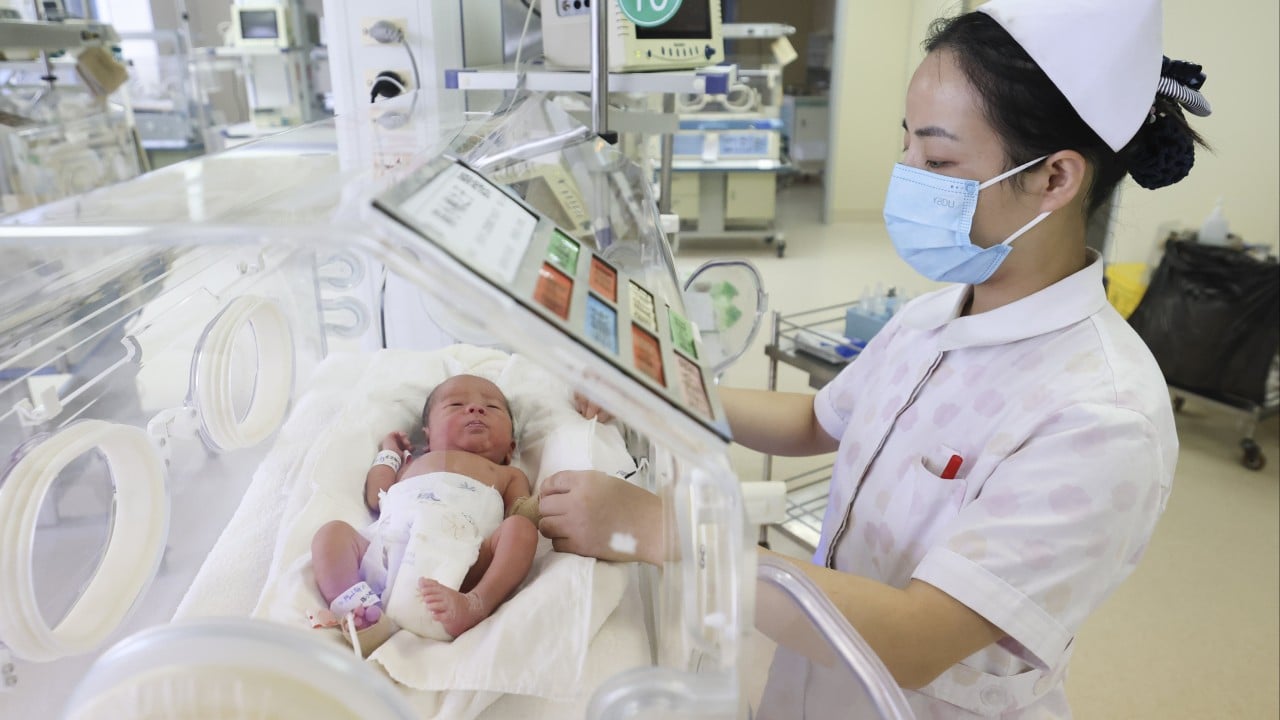
Environmental epidemiology has historically prioritized high-volume toxic heavy metals such as lead, mercury, and cadmium, treating the seventeen rare earth elements as industrial inputs rather than biological variables. Recent clinical investigations mapping maternal biomarkers against neonatal outcomes challenge this paradigm. Prenatal exposure to rare earth elements functions as an independent, quantifiable toxicological vector capable of altering fetal growth trajectories, with specific fractions tripling the baseline risk of low birth weight.
Understanding this mechanism requires decomposing the interaction between maternal bioaccumulation, placental transfer coefficients, and fetal developmental windows.
The Toxicological Pathway and Placental Interception
Rare earth elements, encompassing the lanthanide series alongside yttrium and scandium, enter the human body primarily through inhalation of industrial particulate matter, dietary ingestion from contaminated soil matrices, and occupational absorption. During gestation, these elements circulate within maternal plasma, where their ionic radii allow them to mimic essential divalent and trivalent cations, notably calcium and magnesium.
This biochemical mimicry compromises the structural and functional integrity of the placental barrier. The placenta acts as a selective filter, but lanthanides exploit active transport channels designed for physiological nutrients. Once transferred to the fetal compartment, these compounds interfere with cellular enzymatic pathways, disrupt calcium-dependent intracellular signaling, and induce oxidative stress via the generation of reactive oxygen species.
The clinical consequence is cellular apoptosis within the trophoblast layers, restricting nutrient and oxygen exchange to the fetus. Intrauterine growth restriction becomes the direct pathological endpoint of this vascular and metabolic bottleneck.
Cohort Architecture and Dose Response Curves
Recent multi-center birth cohort analyses examining thousands of mother-infant pairs evaluate exposure thresholds by quantifying urinary and plasma concentrations of light and heavy rare earth elements during specific gestational trimesters. Analytical models utilizing weighted quantile sum regression isolate the independent contributions of individual elements while accounting for multi-metal cumulative exposure.
The statistical output demonstrates a clear dose-response relationship. When categorized by quartile, participants occupying the highest exposure brackets for specific lanthanides exhibit adjusted odds ratios that reflect a threefold increase in low birth weight incidence (defined as neonatal mass falling below 2,500 grams) compared to the lowest quartile referent group.
- First Trimester Baseline Assessment: Establishes the foundational maternal load and screens for pre-existing metabolic vulnerabilities.
- Second Trimester Biomarker Tracking: Captures the velocity of systemic accumulation during peak organogenesis and rapid placental expansion.
- Third Trimester Plasma Quantification: Correlates directly with fetal weight deceleration curves, as the demands of late-stage growth outpace the compromised transport capacity of a damaged placenta.
Light rare earth elements such as lanthanum, cerium, and neodymium dominate the circulating serum profiles of urban cohorts, reflecting industrial emissions and electronic waste processing footprints. Statistical adjustments for maternal age, socioeconomic status, parity, and gestational hypertension confirm that these associations persist independently of traditional confounders.
Methodological Limitations and Confounding Variables
Rigorous data-driven evaluation demands an explicit accounting of methodological constraints within current environmental health studies. Single-point biomarker sampling, frequently utilized due to logistical constraints in large-scale human cohorts, captures a snapshot rather than a time-integrated profile of chronic exposure.
Furthermore, lifestyle factors such as local dietary composition, proximity to smelting facilities, and variable indoor air filtration introduce residual confounding. Dietary intake of rare earth elements varies widely based on regional agricultural practices and soil chemistry, making it difficult to isolate industrial inhalation from ingestion without rigorous isotopic tracking.
The synergistic toxicity of mixed-metal exposures also complicates single-element attribution. In industrial settings, human populations rarely absorb a single lanthanide in isolation. Co-exposure to heavy metals creates composite biological interactions that can be supra-additive, meaning the combined toxicological footprint exceeds the mathematical sum of individual components.
Diagnostic and Clinical Implications
Standard prenatal screening protocols do not currently incorporate heavy metal or rare earth panel testing. Obstetric risk stratification models rely primarily on historical markers, missing environmentally induced fetal growth restrictions until routine third-trimester ultrasonography detects deviations from expected biometry.
Clinical application of these findings requires a shift toward preventive environmental medicine in high-risk industrial zones. Healthcare systems operating in proximity to rare earth refining infrastructure must integrate biomarker screening into early prenatal care panels. Identifying elevated maternal serum concentrations of lanthanides before the onset of the third trimester allows clinicians to deploy targeted nutritional interventions, enhance antioxidant support to mitigate oxidative stress, and schedule high-frequency fetal growth monitoring to intercept intrauterine growth restriction before irreversible developmental compromise occurs.