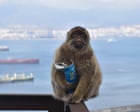
The Barbary macaques of Gibraltar are not merely a tourist attraction; they are a geopolitical symbol and a biological anomaly. They are the only wild primate population in Europe, managed with a mix of reverence and frustration by the local government. However, a disturbing behavioral shift has caught the attention of primatologists and conservationists. These monkeys are now eating dirt. Specifically, they are consuming clay-rich soil to counteract the high-sugar, low-fiber diet forced upon them by well-meaning but misguided tourists. This practice, known as geophagy, is a desperate biological defense mechanism against the metabolic chaos caused by human junk food.
While casual observers might view a monkey eating mud as a quirk of nature, it is actually a red flag for a systemic failure in wildlife management. The macaques are not hungry in the traditional sense. They are nutritionally bankrupt. By gorging on processed carbohydrates, chocolate, and fruit snacks handed out by visitors, the monkeys suffer from extreme acid indigestion and gastrointestinal distress. The soil acts as a natural antacid, binding to toxins and buffering the pH levels in their specialized digestive tracts. Don't forget to check out our recent post on this related article.
The Chemistry of Survival
To understand why a primate would choose a mouthful of silt over fresh vegetation, you have to look at the cecum. Macaques have a digestive system designed to break down tough, fibrous plants and seeds. When you introduce a high-fructose, processed diet, the fermentation process in their gut goes into overdrive. This leads to acidosis, a painful and potentially fatal condition where the blood and tissues become too acidic.
Clay contains minerals like kaolinite. These minerals have a unique ability to absorb tannins and toxins that are present in both "bad" human food and certain bitter wild plants. In the wild, geophagy is often a seasonal supplement. On the Rock of Gibraltar, it has become a daily necessity for survival. The monkeys are essentially self-medicating to survive the hospitality of the five million tourists who visit the territory annually. To read more about the history of this, Travel + Leisure offers an excellent summary.
The problem is exacerbated by the sheer density of the population. There are roughly 300 macaques living on a limestone monolithic promontory that measures less than three square miles. With limited natural foraging space, the path of least resistance leads directly to the plastic bags of day-trippers.
The Failure of Fine Culture
Gibraltar has strict laws. Feeding the macaques is an offense that carries a fine of up to £4,000. Yet, walk through the Upper Rock Nature Reserve on any Tuesday afternoon, and you will see the law being ignored with impunity. The issue isn't a lack of legislation; it's a lack of friction.
Tourists view the monkeys as sentient props for social media content. A photo of a macaque sitting on a shoulder is the ultimate souvenir, and the easiest way to get that photo is with a bribe of food. This creates a dangerous feedback loop. The monkeys learn that aggression and proximity to humans result in high-calorie rewards. This "spoiling" of the population doesn't just lead to upset stomachs and mud-eating; it leads to a breakdown of social structures within the troops.
Displaced Aggression and Social Decay
When food is easy to get, the traditional hierarchy of the troop begins to erode. In a natural setting, the alpha and senior members control access to the best foraging spots, which requires movement, effort, and social cooperation. When a tourist drops a bag of crisps, it creates a localized "high-value" resource that triggers intense, unnatural aggression.
We are seeing younger males becoming more violent, not because they are "wilder," but because they are hyper-stimulated by sugar and caffeine. Yes, caffeine. Macaques have been observed snatching energy drinks and sodas from unsuspecting visitors. The result is a population of primates that are effectively "tweaking"—anxious, aggressive, and prone to attacking the very people who are feeding them.
The Hidden Cost of Urban Adaptation
There is a common misconception that because the monkeys look fat, they are healthy. In reality, Gibraltar is facing a primate obesity epidemic. Many of the older macaques show signs of Type 2 diabetes and heart disease, conditions virtually unheard of in wild populations. Their coats are often dull, and their teeth show significant decay from the constant exposure to refined sugars.
The soil-eating is a temporary fix for a permanent problem. While the clay might settle their stomachs today, it cannot reverse the long-term damage of a sedentary lifestyle and a diet of processed flour. The "Monkeys of the Rock" are becoming the "Patients of the Rock."
The management team, led by the Gibraltar Ornithological and Natural History Society (GONHS), works tirelessly to provide a balanced diet of vegetables and water at designated feeding stations. However, they are competing with a billion-dollar tourism machine that thrives on the "wildlife experience." The feeding stations are often ignored by the monkeys because, frankly, a head of broccoli can't compete with a stolen Snickers bar.
The Myth of the Harmless Interaction
Many visitors justify their actions by assuming a single cracker or a piece of apple won't hurt. They fail to account for the cumulative effect. When a thousand people a day have that same thought, the animal receives a massive, toxic dose of human intervention.
This isn't just about the monkeys' health; it's about public safety. A macaque with a stomach ache is a cranky macaque. A cranky macaque has four large canine teeth and the jaw pressure to snap a human forearm. By feeding them, tourists are effectively training the animals to be muggers. When the food stops or isn't offered quickly enough, the animals bite.
Moving Beyond the Selfie
The solution requires a radical shift in how we manage the intersection of wildlife and urban spaces. Signs aren't working. Fines aren't being issued frequently enough to serve as a deterrent.
True reform would involve a "zero-contact" policy enforced by physical barriers in high-traffic areas and a significant increase in the number of wardens on the ground. We need to stop treating the macaques as a theme park attraction and start treating them as a protected, vulnerable species that requires distance to thrive.
The mud-eating is a silent protest from the animals' own biology. It is a sign that the balance has shifted too far toward human entertainment at the expense of animal welfare. If we want the macaques to remain the guardians of the Rock, we have to stop killing them with kindness.
The next time you see a macaque in Gibraltar or any other tourist hotspot, keep your bags zipped and your hands to yourself. The most respectful thing you can do for a wild animal is to be completely uninteresting to it. Stop being a source of sugar, and let them get back to being monkeys.