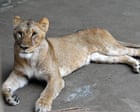
Three lions died of suspected heatstroke at a Tokyo zoo during a historic heatwave, exposing critical design flaws in metropolitan animal enclosures and the lethal reality of extreme summer temperatures.
Concrete enclosures bake under relentless urban sun. Asphalt radiates heat long after dark. When three lions perished in their Tokyo facility, public shock quickly gave way to uncomfortable questions about how modern municipal parks manage thermal stress. The tragedy was not an unpredictable act of nature. It was an institutional failure of urban wildlife infrastructure that has prioritized human visitor convenience and aesthetic stone architecture over the basic physiological needs of captive apex predators.
Municipal authorities and facility operators across densely populated concrete sprawls are now scrambling to review protocols. Yet a deeper examination reveals a systemic blindness to climate volatility that has been building for decades.
The Concrete Trap
Modern metropolitan facilities often rely on artificial rockwork made of shotcrete and thick concrete shells. These materials absorb massive amounts of solar radiation during peak daylight hours. As ambient temperatures shatter historical records, these structures transform into thermal batteries.
Heat does not simply dissipate when the sun goes down. Trapped energy radiates inward, keeping enclosure temperatures elevated through the night. Lions and other large mammals from arid or savanna climates possess natural adaptations for heat, but they do not possess evolutionary shields against enclosures acting as slow-cooker ovens.
- High thermal mass: Concrete absorbs and holds ambient heat far longer than natural earth.
- Limited shade geometry: Shade sails and artificial overhangs frequently fail to account for the shifting, high-angle sun of midsummer.
- Stagnant microclimates: Enclosures engineered for security and containment often block natural breezes, creating dead air zones where humidity spikes.
Facilities built fifty years ago assumed a baseline climate reality that no longer exists. Engineers calculated maximum historical temperatures and added a modest safety margin. That safety margin is now obsolete. Summer highs in Tokyo and comparable global cities routinely exceed the structural assumptions of mid-century architecture.
Physiological Breakdown in Apex Predators
Large cats regulate body temperature primarily through paw pads and panting. Unlike humans, they do not possess sweat glands distributed across their skin. When ambient temperatures soar alongside high humidity, panting loses its cooling efficacy.
Hyperthermia sets in quickly. Core body temperature climbs, organs begin to fail, and the cardiovascular system collapses under the strain of pumping blood to the skin for heat dissipation.
Normal Body Temp -> Elevated Ambient Heat -> Reduced Panting Efficiency -> Organ Failure
Veterinary staff face an impossible containment challenge during these spikes. Moving tranquilized animals into air-conditioned holding areas carries severe anesthetic risks, particularly in high heat. Conversely, leaving them out exposes them to thermal loads that exceed biological tolerance. The margin for error vanishes in minutes.
The Urban Heat Island Multiplier
Tokyo is a textbook example of the urban heat island effect. Vast expanses of asphalt, steel, and glass absorb solar radiation and trap it within the metropolitan basin. Parks and zoos, while offering green spaces, are frequently surrounded by concrete infrastructure that funnels trapped heat inward.
When ambient city temperatures reach extreme thresholds, the microclimate inside an enclosure is often significantly hotter than official meteorological reports indicate. Wind speed drops near ground level inside walled display areas, eliminating evaporative cooling.
Zookeepers report working double shifts to hose down rocks and set up temporary misting systems. Misters, however, can backfire in humid conditions. Instead of cooling the air, they raise humidity, lowering the evaporation rate of moisture from the animals' respiratory tracts and compounding heat stress.
Rethinking Enclosure Engineering
The loss of these animals forces a radical reassessment of how enclosures are designed. Cosmetic landscaping must take a back seat to thermodynamics.
Future construction requires profound changes:
- Subterranean dens: Providing deep, earth-sheltered subterranean cool rooms where animals can retreat voluntarily during peak heat hours.
- Natural substrate replacement: Swapping artificial concrete flooring for native soils, grasses, and deep-root vegetation that lowers surface temperatures.
- Active climate zones: Integrating geothermal cooling loops directly into resting platforms to draw heat away from resting bodies.
Operators who view enclosures merely as viewing platforms for ticket-holding visitors are finding themselves financially and morally liable for outdated designs. The public expects high standards of animal welfare, yet funding models for public institutions often lag behind infrastructural demands. Retrofitting an entire facility for climate resilience requires capital outlays that municipal budgets routinely resist until tragedy forces their hand.
The lions at Tokyo zoo paid the ultimate price for an urban environment that can no longer protect the life it holds captive. Until municipal planners and park directors treat thermal mitigation as a primary safety requirement rather than an operational afterthought, more animals will suffer the consequences of a warming world trapped inside cold concrete boxes.