The First Breath in the Dark
Sand gives way. A tiny snout pushes through the stifling warmth of a coastal dune, breaking the midnight crust with frantic, rhythmic thrusts. For minutes, maybe hours, there is only darkness, the crushing weight of earth overhead, and the distant, rhythmic roar of an ocean it has never seen. Then, another head pops up. And another. Within moments, a writhing knot of life—dozens of creatures no larger than a silver dollar—spills out onto the open beach.
Instinct takes over. They turn toward the horizon. The ocean reflects the pale, scattered light of stars and breaking foam, a beacon guiding them home. But the beach is no longer a pristine sanctuary shaped solely by wind and tide. It is a gauntlet. For an alternative perspective, check out: this related article.
Tire tracks carve deep canyons across the sand, trapping fragile bodies in impassable ruts. Neon signs from nearby boardwalks cast an eerie, deceptive glow, confusing navigation and pulling hatchlings inland toward asphalt and exhaust rather than salt and surf. Overhead, gulls circle with cold, patient eyes. In the shadows of sea oat clusters, ghost crabs wait with pincers clicking.
Out of every thousand hatchlings that crack their shells on these shores, perhaps one will survive to adulthood. The math is brutal. It is an evolutionary gamble designed for an ancient world—a world that no longer exists. Further insight on this matter has been provided by The Spruce.
Yet, miles away from the roaring surf, behind heavy glass doors and reinforced concrete security fences, a quiet revolution is taking place. Here, inside the sterile, climate-controlled wards of a metropolitan zoo, human hands are quietly rewriting the odds.
The Architecture of Survival
Arthur stands beside a shallow, stainless-steel tank, his thumb and forefinger gently pinching the edge of a turtle carapace no bigger than a fifty-cent piece. Water drips from his sleeve. Around him, the room hums with the low, constant drone of filtration systems and oxygen pumps.
"People think zoos are just places to look at animals behind glass," Arthur says, his voice dropping to a low murmur so as not to disturb the tank's occupants. "They think it’s entertainment. But sometimes, this is an emergency room."
Arthur has spent two decades working with reptile conservation programs. He knows every shell pattern, every subtle notch of scute growth, every respiratory quirk of the animals under his care. When these turtles arrive at the facility, they are often bruised, dehydrated, or rescued from illegal wildlife trafficking rings where they were crammed into plastic luggage like currency.
The strategy employed here is known as head-starting. It is a deceptively simple concept with staggering operational complexity. In the wild, the first year of a turtle's life is a slaughterhouse. Predators, pollution, and rapid temperature shifts pick them off with ruthless efficiency. Head-starting intercepts this vulnerability. The zoo takes the fragile hatchlings, shields them from the lethal gauntlet of their infancy, feeds them a precisely balanced diet of proteins and calcium, monitors their health with veterinary precision, and lets them grow large, strong, and street-smart behind protective walls.
When they leave these tanks a year or two later, they are no longer bite-sized snacks for a passing gull. They are armored miniatures, sporting hard shells and robust survival instincts that multiply their chances of making it to breeding age by a factor of fifty.
Consider what happens inside these rooms every single day. It is not just about throwing lettuce in a tank. It is an intricate, exhausting dance of biology, chemistry, and profound empathy. Water chemistry is tested hourly. Temperatures are dialed in to match seasonal shifts they would experience in the wild, triggering natural metabolic rhythms. Every individual is cataloged, microchipped, and observed for any sign of sluggishness or stress.
To the untrained eye, it looks like an aquarium. To the ecosystem waiting outside, it is a lifeline.
When the Wild Meets the Concrete
Walk through the public exhibits of the zoo on a sun-drenched Saturday, and you will hear the laughter of children pointing at jaguars and the excited shrieks of toddlers watching otters tumble through turquoise water. But step behind the service corridors, past the heavy steel doors marked authorized personnel only, and the atmosphere shifts instantly.
Here, the air smells of ozone, damp earth, and fresh river water. There are no crowds. There are only scientists, keepers, and the quiet, rhythmic splashing of hundreds of turtles swimming in organized rows of tanks.
This juxtaposition is striking. On one side of the wall, humanity drives habitat destruction, pumps microplastics into riverbeds, and builds concrete seawalls that starve nesting beaches of sand. On the other side of that same wall, humanity works frantically with tweezers and digital scales to repair the damage cell by cell.
We broke the system. Now, we are stitching it back together with nylon thread and sterile gauze.
"Every animal has a personality," a young researcher named Elena notes, leaning over a tank filled with diamondback terrapins. She points to a small turtle resting on a floating cork dock with its neck craned upward. "That one right there is Buster. He refuses to eat his greens unless they're floating on the left side of the tank. If I drop them on the right, he ignores them for hours."
It is impossible to spend time around these animals and view them merely as biological data points. They have quirks, fears, and preferences. When a hatchling arrives with a cracked shell from a boat propeller strike, the emotional weight in the room is palpable. Veterinarians work late into the night under high-intensity surgical lamps, using dental acrylic and wire mesh to rebuild fractured bones that are thinner than a credit card.
The public rarely sees this labor. They see the grand final product—the majestic sea turtle gliding gracefully through a massive public aquarium tank, or the news clip of a release day on a sun-bleached beach. They do not see the midnight injections, the sterile quarantine tanks, or the quiet grief when a fragile patient slips away despite every medical intervention known to science.
The Long Road Back
Spring arrives with a sharper bite in the air. The water in the tanks has been slowly adjusted over weeks to match the shifting temperatures of the coastal estuaries where these creatures belong.
Preparation for release is a meticulous science. If you simply dump captive-raised animals into the wild, they starve or become easy prey because they do not recognize natural predators or know how to forage for live crabs and aquatic plants. Weeks before departure, the keepers introduce live prey—ghost shrimp, snails, small fish—into the tanks. They stop hand-feeding. They remove the floating docks and force the turtles to dive, hunt, and compete for food in murky, unheated water.
They must unlearn comfort.
On the morning of the release, the atmosphere in the back corridors is electric. Plastic transport crates are lined with damp towels. The turtles are checked one final time—microchips scanned, weights recorded, shells scrubbed clean of any captive algae that might introduce foreign spores into a wild ecosystem.
The drive to the coast is quiet. Inside the transport van, the only sound is the muffled scratching of claws against plastic and the low hum of the engine. Everyone in the vehicle understands the gravity of the mission. For these turtles, this is the moment of truth. Everything that has happened over the past twelve, eighteen, or twenty-four months has led to this exact stretch of sand.
When the van doors swing open, the smell of salt spray rushes in.
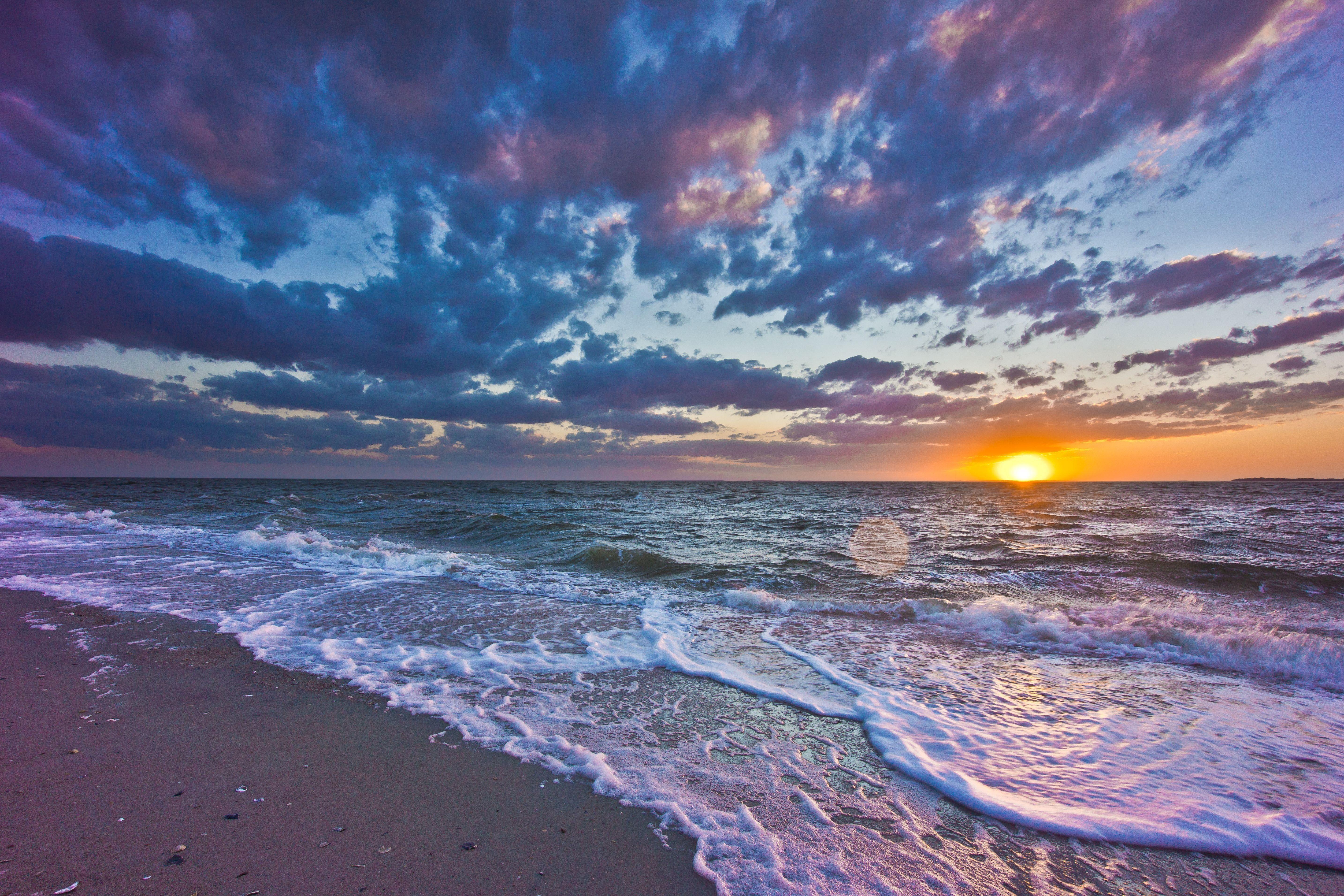
The tide is going out. Waves crash against the shore in rhythmic, thunderous applause, churning up white foam and wet sand. The group walks past the tourist zone, far down the beach where the dunes are tall and undisturbed.
The crates are placed on the damp sand, just at the edge where the receding wave licks the shore.
The Exit
Arthur opens the first latch.
For a second, there is silence. The turtles inside poke their heads out, blinking against the sudden, unfiltered brilliance of the midday sun. They pull back into their shells, startled by the immense noise of the ocean—a sound infinitely louder and more terrifying than the quiet pumps of the zoo ward.
Then, the first one creeps forward.
It's a mud turtle, no larger than a saucer, its shell a rich tapestry of olive and amber rings. It extends a wrinkled neck, tastes the salt on the breeze, and begins to crawl. Its flippers scramble against the loose sand, sliding backward twice for every three steps forward.
It looks exhausting. It looks impossible.
Then a wave rushes up the shore, washing over its shell, lifting it for a fraction of a second. The turtle finds its footing, kicks hard with its hind legs, and dives straight into the swirling foam.
Within seconds, it is gone. Swallowed by the vast, indifferent power of the sea.
One by one, the remaining crates are opened. Some turtles rocket toward the water like tiny armored tanks, driven by an ancient, unshakeable instinct. Others hesitate, digging their claws into the sand as if reluctant to leave the safety of the hands that fed them. But the ocean always claims them in the end.
The researchers stand on the shore long after the last turtle has vanished into the surf. They brush sand from their knees. They pack up the empty crates, the clipboards, the medical kits. Their clothes are damp, their skin is caked in salt, and their eyes are red from the glare.
Nobody speaks for a long time.
There is no grand celebration. There are no speeches, no marching bands, no ticker-tape parades for animals that weigh less than a bag of sugar. There is only the wind howling across the dunes, the endless crashing of the waves, and the quiet knowledge that somewhere out there in the deep, green water, a handful of tiny survivors are swimming against the tide, breathing on their own for the very first time.