Another life sentence handed down. Another press conference where politicians pat themselves on the back for delivering swift justice. Another headline calling a horrific crime a calculated act of violence. Everyone claps. Everyone breathes a sigh of relief. And absolutely nothing changes.
We love our courtroom dramas. We love the theater of maximum security prisons, lifetime numbers, and stern-faced judges reading verdicts that sound like ancient curses. It makes us feel safe. It provides a clean narrative arc for a society terrified of its own fraying edges. A bad man does a terrible thing on a transit train. The state steps in. The state locks him away forever. Roll credits.
Except the train is still dangerous tomorrow.
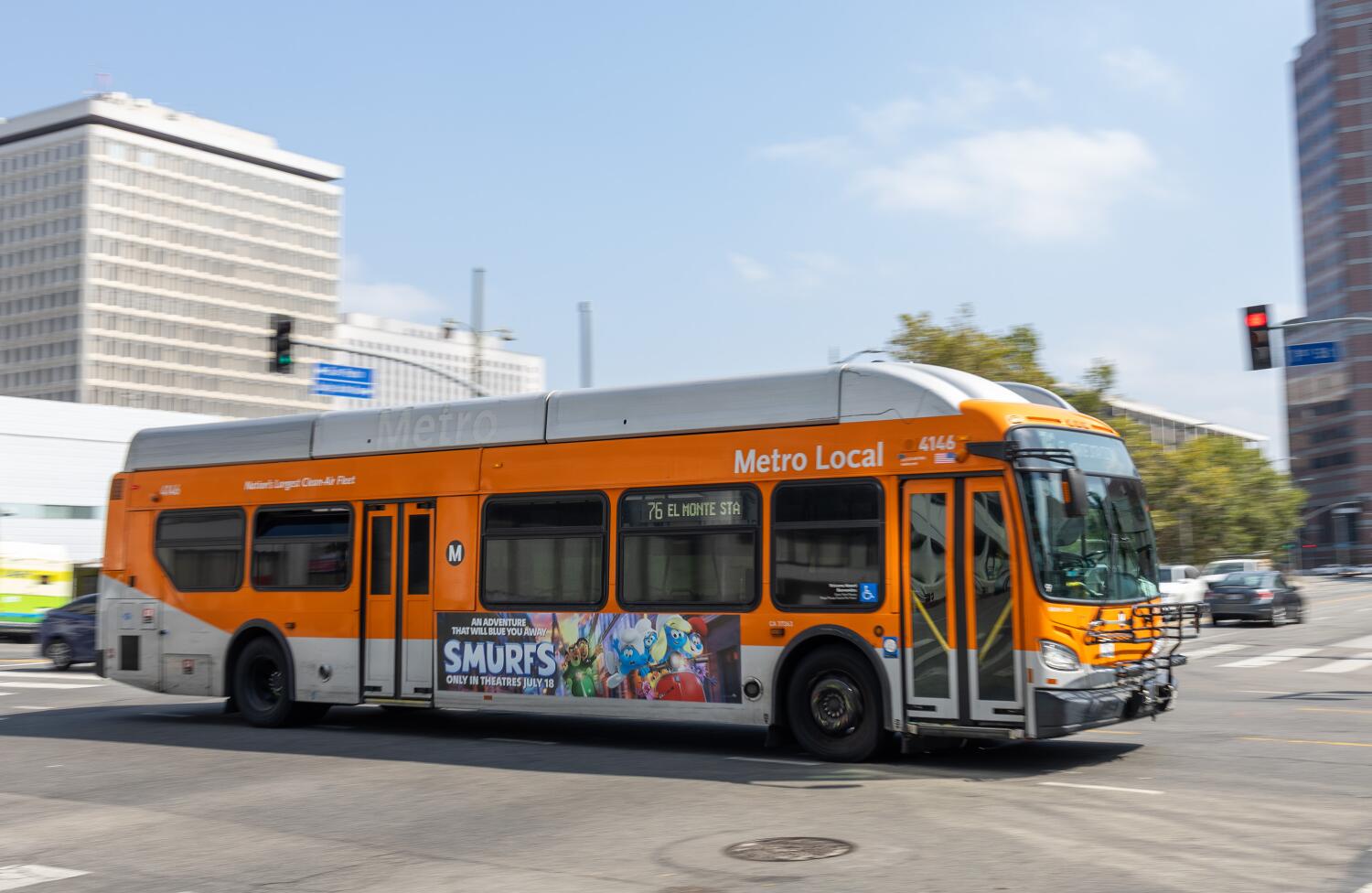
The lazy consensus dominating every discussion about public transit safety is that crime is primarily an individual moral failing solved exclusively by harsher punishment. If the penalties are steep enough, the logic goes, troubled or violent people will somehow calculate the risk and choose to behave. That is not how human psychology works, especially not for individuals operating at the absolute margins of sanity, substance abuse, and desperation. Deterrence requires a rational actor. When you are dealing with profound mental disintegration or chemical dependency on a Los Angeles Metro car, a life sentence is just a abstract concept in a universe you long ago stopped participating in.
I have spent years analyzing urban transit infrastructure and municipal security models. I have seen cities blow millions on high-profile policing surges that temporarily sweep the problem into the next neighborhood while the underlying structural decay rots the foundation from underneath. We treat the symptom with a sledgehammer and pretend we cured the disease.
The Anatomy Of A False Solution
Let us look at the mechanics of the trial that just concluded. The prosecution painted a picture of cold, calculated malice. The defense pointed toward severe mental impairment. Both narratives miss the fundamental point because both narratives are trapped inside the courtroom box.
When a violent attack happens on a subway platform or inside a moving railcar, the public demands an explanation that fits a neat moral binary: evil actor versus innocent victim. Reality is rarely that tidy. Reality involves a catastrophic failure of physical design, environmental psychology, and social safety nets long before the knife ever clears the pocket.
Imagine a scenario where a city spends fifty million dollars adding transit cops to every single line, turning every turnstile into a fortress checkpoint, yet does nothing to alter the cramped, unregulated, anonymous architecture of the transit cars themselves. Guess what happens? The violence simply displaces itself to the stairwells, the bus stops, or the moments when the security shift changes. Fortifying a broken system does not fix it. It just makes the architecture more expensive while maintaining the exact same vulnerability.
Criminologists love to talk about deterrence, but they ignore environmental design. Modern transit systems are engineered for maximum throughput, not human safety. Long, narrow tubes of steel moving underground, anonymous crowds packed shoulder to shoulder, poor sightlines, and zero active intervention points create a petri dish for predatory behavior. When you pack stressed, vulnerable, and volatile populations into subterranean spaces with zero psychological breathing room, outbursts are not anomalies. They are statistical certainties.
The Metrics Of Failure
Let us examine what happens when we rely solely on punitive measures.
- Recidivism remains untouched: Removing one individual from society via a life sentence feels cathartic, but it does zero to deter the next unstable person stepping onto the platform next Tuesday.
- The cost asymmetry is staggering: Keeping a prisoner locked up for life costs taxpayers millions of dollars, funds that could have been redirected toward active, real-time intervention infrastructure on the ground.
- Public perception plummets: Despite record spending on reactive enforcement, rider confidence remains fragile because people know armed guards at the gate do not stop a sudden ambush three miles underground between stations.
The data tells a brutal story. When Los Angeles or any other major metropolitan area pours resources into post-crime prosecution rather than pre-crime environmental control, crime rates fluctuate wildly based on socioeconomic tides while baseline rider anxiety stays locked at maximum.
Rewriting The Playbook
If we want actual safety instead of theatrical justice, we have to stop asking how long the sentence should be and start asking why the environment permitted the attack to begin in the middle of a crowded commute.
First, we need to redesign transit spaces for passive and active deterrence. This means abandoning the bleak, industrial aesthetic of modern subway design in favor of open sightlines, brilliantly lit platforms, real-time audio-visual monitoring that actually connects to responsive staff rather than an empty security desk, and panic architecture that allows passengers to isolate threats instantly.
Second, we must decouple social service intervention from armed law enforcement. Most people committing violent acts on transit are broadcasting their deterioration for days or weeks beforehand. They are sleeping on trains, acting erratically on platforms, and signaling their detachment from reality. Sending a beat cop to shove them off the property just moves the crisis down the line. We need specialized mobile crisis teams stationed directly inside transit hubs, legally empowered to intercept and hospitalize the severely mentally ill before they cross the threshold from unstable to lethal.
Third, we must stop pretending that public transit is merely a utility. It is the connective tissue of a civilization. If the public loses trust in its safety, the city dies from the inside out.
The judge has spoken. The gavel has fallen. The man who committed this atrocious act is behind bars forever. The politicians have retreated to their offices, confident that justice has been served. But tomorrow morning, the doors of the train will open, thousands of vulnerable people will step inside, and the structural conditions that made yesterday's tragedy possible will still be waiting for them.
The gavel is the most expensive, least effective tool in the kit. Build better stations. Intervene before the knife comes out. Or keep celebrating life sentences while you watch the system burn.