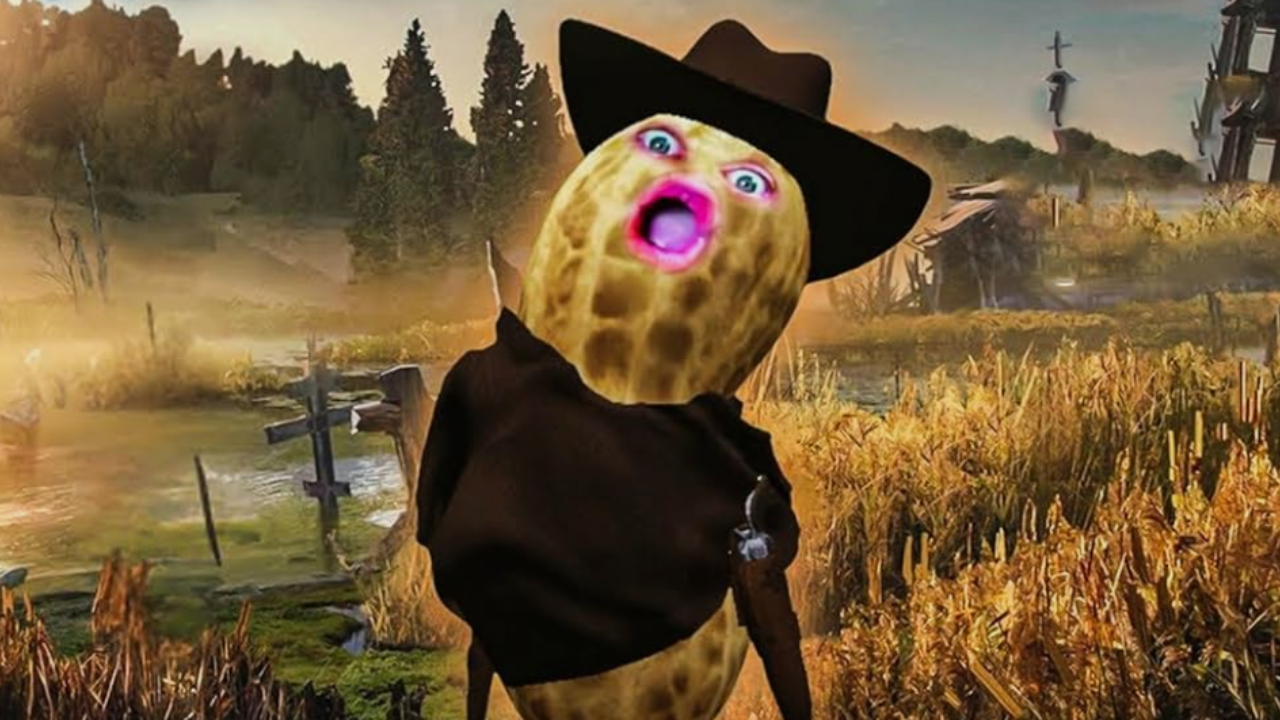
The gaming press is currently tripping over itself to celebrate the official confirmation of TheBurntPeanut crossing over into Fortnite. For weeks, the rumor mill ground out predictable speculation, and now that the digital ink is dry, the consensus is clear: commentators are calling it a masterstroke of community engagement. They claim it bridges the gap between traditional content creation and the metaverse.
They are entirely wrong.
This crossover isn't a sign of Fortnite’s enduring cultural dominance. It is an act of quiet desperation from a platform that has officially run out of native ideas. For years, Fortnite thrived by being the cultural aggregator—the place where Marvel, Star Wars, and Nike came to pay homage to the king of battle royales. Now, the power dynamic has inverted. Epic Games is no longer dictating the cultural zeitgeist; they are chasing algorithms, scraping the bottom of the creator barrel to retain a hyper-fragmented audience that is already looking at the exit doors.
Let's dismantle the lazy narrative surrounding this drop and look at the mechanics of why this crossover signals a structural decline.
The Mirage of Creator Engagement
The standard argument floating around industry blogs is simple: bringing an internet personality like TheBurntPeanut into the game rewards the community and injects fresh energy into the ecosystem.
This logic ignores basic player psychology.
When Fortnite integrated major intellectual properties five years ago, it worked because those properties possessed universal cultural currency. Everyone knew Thanos. Everyone knew John Wick. These skins felt like high-value acquisitions. The monetization model relied on mass appeal.
By pivoting heavily into specific internet influencers, Epic Games is segmenting its player base into hyper-niche silos. If you aren't part of the specific community that tracks every stream and inside joke of TheBurntPeanut, the skin isn't an exciting addition—it’s digital clutter. It dilutes the premium feel of the marketplace.
I have watched studios burn tens of millions of dollars trying to buy loyalty through creator partnerships. What they always discover too late is that creator audiences are loyal to the person, not the platform. The moment the stream ends or the creator moves to another title, that injected player base vanishes. You cannot rent relevance forever.
Dismantling the Myth of the Immutable Metaverse
People frequently ask: "How can Fortnite lose when it owns the definitive metaverse platform?"
The premise of the question is fundamentally flawed because it assumes the metaverse is a physical space people want to inhabit regardless of the core loop. It treats Fortnite like a digital mall. But digital malls suffer the exact same fate as real-world malls when the anchor tenants lose their luster.
Look at the underlying numbers that the hype cycles try to obscure. While Epic Games boasts massive registered user metrics, active player retention during non-event periods tells a wildly different story. The introduction of User Generated Content (UGC) via Fortnite Creative was supposed to turn the game into a self-sustaining ecosystem like Roblox. Instead, it created a massive quality control nightmare where high-effort, original modes are buried under a mountain of low-effort clickbait maps.
When a platform cannot rely on its own gameplay loops to keep players engaged, it resorts to the event treadmill. TheBurntPeanut crossover is just another hit of adrenaline to a patient that is becoming increasingly immune to the stimulus.
Imagine a scenario where a prestige television show stops writing a coherent plot and instead relies entirely on weekly celebrity cameos to keep its ratings afloat. The first few episodes break the internet. By season six, the audience realizes they are watching a variety show, not a narrative, and they tune out. Fortnite is entering its variety show era.
The Real Cost of Chasing the Algorithm
The mechanics of this crossover reveal a deeper issue with Epic’s current strategy: the complete abandonment of artistic cohesion.
| Era of Fortnite | Primary Crossover Strategy | Long-Term Value |
|---|---|---|
| 2018 - 2021 | Global IPs (Marvel, DC, Star Wars) | High. Established universal cultural pillars. |
| 2022 - 2024 | Mainstream Musicians & Athletes | Moderate. Relied on massive real-world star power. |
| 2025 - Present | Hyper-Specific Creators & Memes | Low. Short-term traffic spikes with high churn rates. |
When you look at the progression outlined above, the trajectory is clear. Epic Games is down-market scaling. They are trading long-term brand equity for short-term engagement spikes that look good on quarterly reports but do absolutely nothing to secure the health of the game three years down the line.
The counter-argument from defenders is that this is what the youth demographic wants. They point to social media impressions as proof of success. But impressions do not equal conversion, and they certainly do not equal retention. The friction of downloading a massive update just to buy a skin and play three matches before getting bored is immense. The conversion rate on these niche creator skins is notoriously steep once you look past the core fandom.
Stop Asking How Outfits Impact the Meta
If you are an investor, a developer, or a serious analyst looking at this news and asking how it changes the competitive landscape of the game, you are asking the wrong question. The skin doesn't change the meta. The skin is the admission that the competitive meta no longer matters to the decision-makers.
Epic Games has realized that balancing a competitive shooter is hard, expensive, and alienating to casual spenders. It is far easier to operate as a digital toy store. The danger here is that by completely subserviating the game mechanics to the aesthetic marketplace, they alienate the hardcore community that forms the bedrock of the game’s daily active user base.
The hard truth nobody wants to admit is that Fortnite’s greatest strength—its ability to absorb any piece of culture into its universe—has become its ultimate vulnerability. When anything can exist in Fortnite, nothing matters in Fortnite. The world becomes a gray slurry of brands, creators, and corporate synergy. Peter Griffin fighting TheBurntPeanut while Goku does a dance move from TikTok isn't an achievement of modern technology. It is a creative dead end.
If you want to build a platform that lasts a generation, you don't do it by constantly looking over your shoulder to see what is trending on social media so you can copy and paste it into your game three weeks later. You do it by building an ecosystem so compelling that creators have to alter their style to fit your world, not the other way around.
Epic Games used to understand this. Now, they are just another legacy brand desperately trying to sit at the cool kids' table, hoping that by hanging out with creators like TheBurntPeanut, nobody will notice the wrinkles.
Uninstall the hype. The golden era is over, and no amount of internet celebrity skins will change the fact that the loop is broken.


