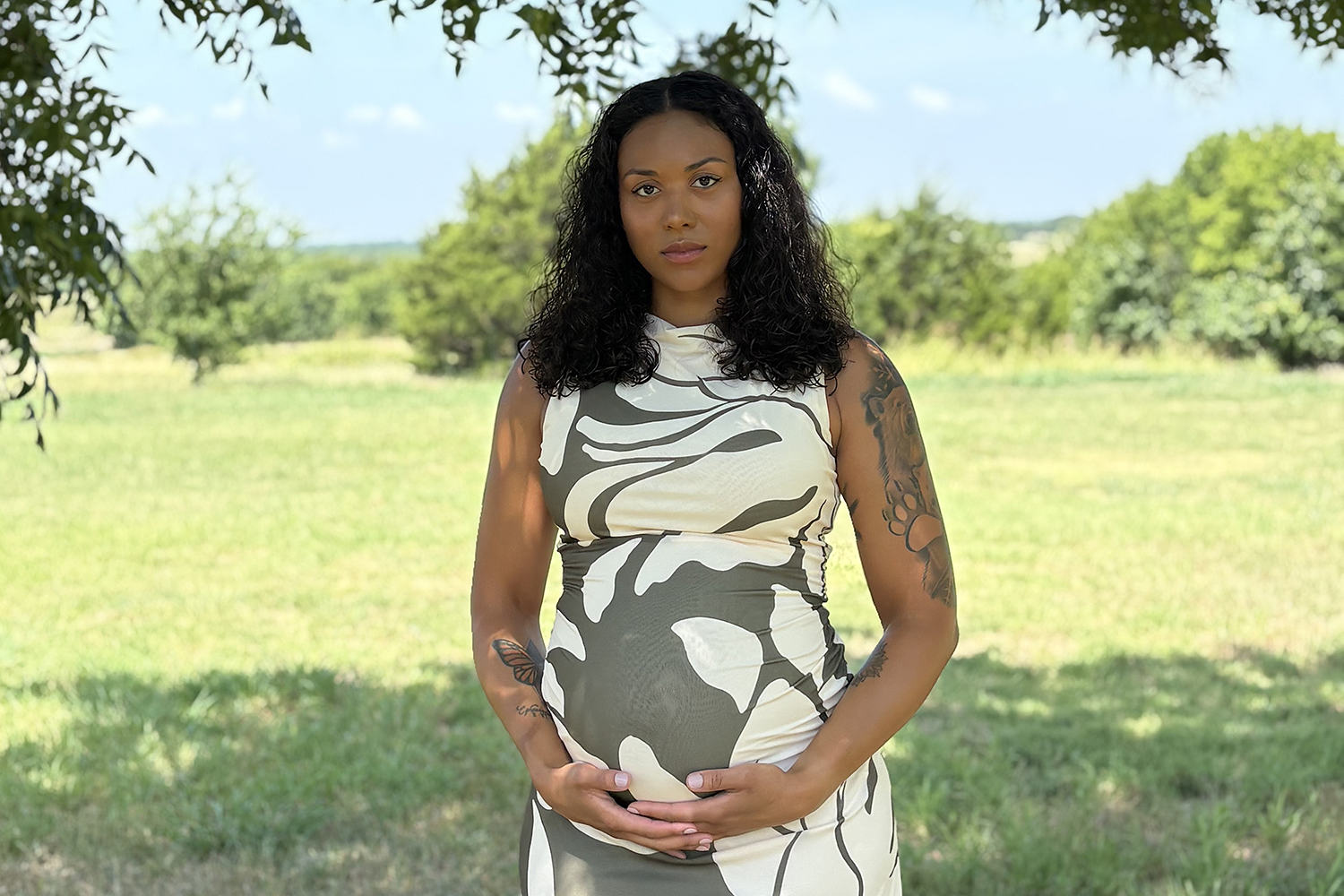
When an Alaskan nurse named McKenna West refused to follow the directives of the California couple who hired her to carry their child, she didn't just break a contract. She blew open a massive, terrifying grey area in reproductive law that leaves intended parents, surrogates, and children completely unprotected.
The story hit national headlines when West gave birth in a Dallas-area hospital. The biological parents, Omar Ahmed and Nausheen Gilkar, watched their family tragedy thrust into a massive interstate legal and political storm. At the center of the chaos is a 20-week fetal diagnosis of hypoplastic left heart syndrome (HLHS), a severe heart defect. The contract contained a standard termination clause giving the intended parents the right to choose an abortion if a severe anomaly arose. West balked, canceled an out-of-state abortion procedure, and fled to Texas, setting off a fierce custody and medical battle involving Texas Attorney General Ken Paxton.
Denying accusations of "political theater" is easy when you're not the one in the middle of a courtroom war zone. But let's look at what actually happened here.
The Contract Versus Reality Myth
People love to talk about surrogacy contracts as if they are absolute ironclad guarantees. They aren't. Reproductive law is a patchwork quilt across state lines, and contracts often rely on clauses that courts have never fully tested.
Rachel Rebouché, a law professor at the University of Texas, pointed out a brutal truth about these agreements: clauses dictating medical decisions or termination are largely aspirational rather than enforceable. You can write whatever you want on paper, but a judge isn't going to force a pregnant person to undergo a medical procedure against their will.
On the flip side, intended parents invest emotional years and staggering financial resources into the surrogacy process. They enter these agreements assuming safety nets exist. When a surrogate backs out of a medical decision agreed upon in writing, the intended parents are left completely powerless over their own future child's medical trajectory.
The Danger of State Interference
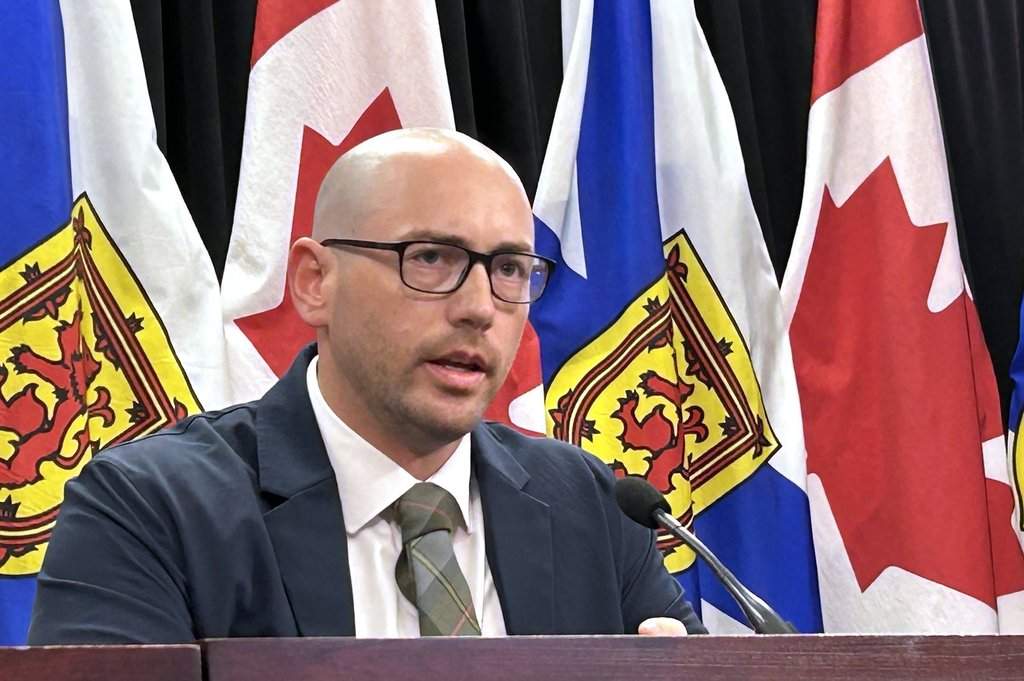
What makes this specific case terrifying is the state intervention. Texas Attorney General Ken Paxton stepped in to obtain an emergency court order requiring Dallas hospitals to provide life-saving care.
The biological parents vehemently denied ever planning to deny medical care to the child, calling the spectacle political theater orchestrated by the state and West. Think about that from the parents' perspective. You're dealing with a devastating medical diagnosis for your expected baby, and suddenly state politicians and a surrogate who broke her legal obligations are turning your private heartbreak into a public debate.
Legal battles over custody quickly followed, with temporary custody landing with the biological parents while the newborn received stabilizing care and surgery. But the damage to trust in the surrogacy industry is already done.
What This Means for Future Surrogacy Arrangements
If you're considering entering a surrogacy agreement—either as an intended parent or a gestational carrier—this case changes everything.
- State jurisdiction matters intensely: Where the surrogate lives, where prenatal care happens, and where the birth takes place can completely flip legal rights overnight.
- Enforceability is a illusion: Never assume a contract clause about major medical decisions will hold up if a fundamental moral disagreement arises between the parties.
- Emotional attachments complicate legal boundaries: Surrogacy is framed as a medical and legal transaction, but human biology and emotions don't always follow business rules.
The system is broken because it assumes everyone will act rationally and cooperatively when the worst-case scenario hits. When emotions take over and state politics get involved, the child becomes a political football.
Right now, the parents have temporary custody and are trying to focus on their son's medical needs. But the legal fallout from this case will haunt reproductive attorneys and future parents for years. Stop pretending surrogacy is foolproof. Until state laws and interstate compacts catch up to modern reproductive realities, stories like this are bound to repeat.
Surrogate McKenna West Gives Birth After Refusing Abortion
This short video clip provides a quick overview of the breaking news surrounding McKenna West's delivery in Texas amidst the ongoing legal battle.
http://googleusercontent.com/youtube_content/1