The World Health Organization officially declared the deadly hantavirus outbreak aboard the MV Hondius cruise ship over on July 2, 2026, following the release of the final quarantined contact. While global health authorities celebrate the containment of the 13 cases and three tragic deaths, the episode leaves behind a chilling realization. This was not a standard cruise ship outbreak of norovirus or contaminated food. It was a terrifying real-world stress test of how a rare, highly lethal pathogen capable of jumping between humans can exploit the unique confinement of modern maritime travel, exposing deep structural vulnerabilities in international health surveillance.
The official declaration of containment marks the conclusion of a two-month international panic. But closing the file on this specific outbreak does nothing to resolve the underlying systemic failures that allowed it to happen.
The Silent Passenger From Ushuaia
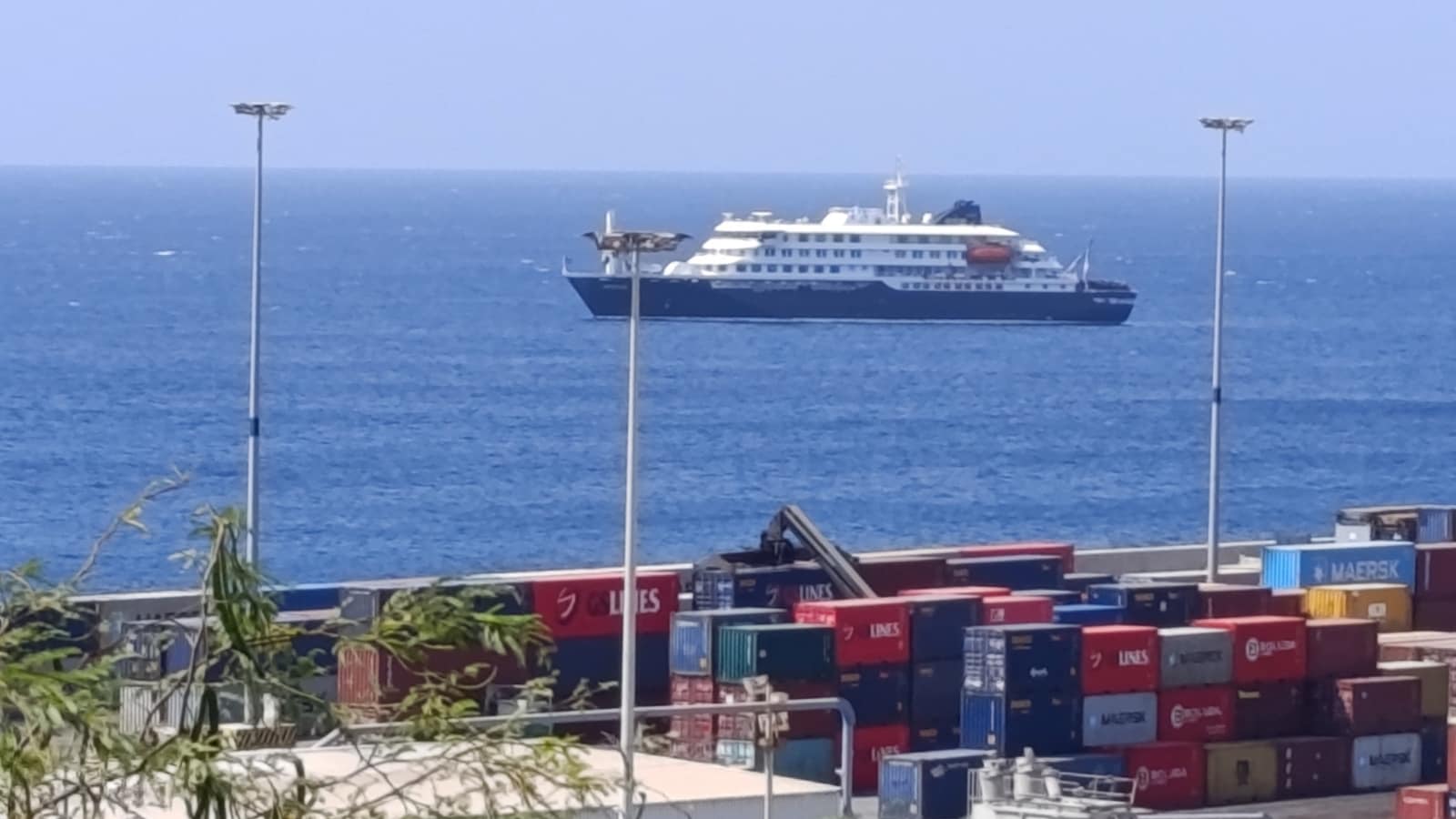
On April 1, 2026, the polar exploration vessel MV Hondius untied from the docks of Ushuaia, Argentina. The ship was bound for the frozen expanses of Antarctica and a series of isolated islands scattered across the South Atlantic Ocean. Onboard were 149 people, a mix of adventurous travelers from 23 different countries and an international crew. None of them knew that a biological countdown had already begun.
Patient zero had spent the days preceding embarkation traveling through northern Argentina and parts of Chile. Somewhere along that rural route, the traveler crossed paths with a long-tailed mouse subspecies. The encounter went unnoticed. The pathogen entered the host silently.
By April 6, five days into the voyage, the first symptoms appeared. It started as a routine fever, accompanied by muscle aches and fatigue that could easily be dismissed as mild exhaustion from travel. Then the breathing difficulties began.
On April 11, the first passenger died onboard. The ship's medical log initially attributed the fatality to natural causes. It was an understandable error given the patient's age and the lack of diagnostic equipment capable of identifying rare hemorrhagic or pulmonary viruses at sea. But it was a catastrophic miscalculation. The virus was already looking for its next host.
Inside the Incubation Chamber
To understand why the MV Hondius became a floating laboratory for a public health nightmare, one must understand the specific pathogen involved. This was not a standard North American hantavirus like the Sin Nombre strain, which hits a dead end once it infects a human. Laboratory testing eventually confirmed that the ship was dealing with the Andes virus.
The Andes virus is unique among known hantaviruses. It is the only strain capable of human-to-human transmission.
Normally, hantaviruses infect humans through the inhalation of aerosolized droplets of infected rodent urine, feces, or saliva. You sweep out an old barn, inhale the dust, and contract the disease. The Andes virus breaks this biological rule. It spreads through close, sustained contact between people, and evidence suggests it can utilize short-range aerosol transmission.
An expedition cruise ship is engineered for density and shared experiences. Passengers dine together in enclosed dining rooms, gather in briefing theaters to discuss daily excursions, and breathe air managed by complex, interconnected ventilation systems. When an airborne, human-to-human pathogen enters such an environment, the vessel ceases to be a luxury transport. It becomes an incubation chamber.
The virus spread efficiently through the close-quarters environment of the ship. Following the first fatality, the ship made stops at Tristan da Cunha and eventually Saint Helena on April 24. By the time the vessel anchored at Saint Helena, the true nature of the crisis was beginning to emerge. Thirty passengers disembarked, including the wife of the first victim. Within forty-eight hours of arriving in South Africa via an evacuation flight, she too succumbed to the virus in a Johannesburg hospital.
The Flawed Science of Maritime Quarantine
The traditional maritime response to an outbreak is isolation. However, the Andes virus possesses an exceptionally long and unpredictable incubation period, stretching anywhere from one to seven weeks. This long latency period completely breaks standard port-of-entry screening protocols. A passenger can pass a temperature check, show zero signs of respiratory distress, and still carry a lethal viral load ready to manifest weeks later.
When the MV Hondius was finally ordered to head north toward Tenerife in Spain's Canary Islands, global health authorities realized they were facing a logistical nightmare. They were tracking a ghost inside a moving target.
The evacuation at Tenerife on May 10 resembled a military operation rather than a public health intervention. Personnel in full-body protective gear and heavy breathing masks lined the docks. Passengers were forbidden from taking their luggage, allowed only a small bag with essential documents, phones, and chargers. They were hurried onto government and military aircraft, scattered across the globe to face mandatory 42-day isolations.
Consider the sheer scale of the contact-tracing operation that followed:
- Total monitored individuals: More than 650 contacts
- Geographic spread: 33 countries and territories
- U.S. response: 18 American passengers placed under strict 42-day public health monitoring, with 16 held inside a high-security biocontainment unit at the University of Nebraska Medical Center in Omaha.
- European response: Military hospitals in Madrid and specialized isolation units in the Netherlands and France tracking citizens who developed symptoms mid-flight.
This massive deployment of resources successfully contained the virus, preventing secondary community transmission in the home countries of the passengers. The final positive case was detected on May 25 in an isolated passenger in Spain. Since then, the clock ticked down until the last exposed contact cleared quarantine on July 2, allowing the W.H.O. to declare the event officially over.
The Unresolved Mystery of the Source
While the immediate danger has passed, a deep sense of unease remains among epidemiological researchers. The official working hypothesis is that patient zero contracted the virus during land excursions before boarding the ship. Yet, an investigation conducted by Argentina's health ministry yielded disturbing results.
Scientists trapping and testing rodent populations in the areas surrounding Ushuaia and the suspected secondary travel routes found absolutely no trace of the Andes virus.
This presents a terrifying scientific blind spot. If the local rodent reservoir is not carrying the virus, how did patient zero become infected? Either the geographic range of the long-tailed mouse subspecies has shifted unnoticed due to changing environmental pressures, or an entirely new, unmapped animal reservoir is harboring the virus closer to major tourist hubs.
Leaving this question unanswered means that future expedition ships departing from South American ports are flying blind. The current maritime health declarations rely on self-reporting and the absence of active symptoms. They are entirely useless against a pathogen that hitches a ride in a completely asymptomatic host during a month-long incubation phase.
Structural Reforms Required for Private Fleets
The global cruise industry cannot afford to treat the MV Hondius as an isolated stroke of bad luck. The convergence of adventure tourism, where wealthy travelers are ferried into remote, biologically active environments, and dense shipboard living conditions creates a systemic vulnerability.
Relying on local land-based infrastructure to handle a containment crisis is a failed strategy. When the suspected case emerged on Tristan da Cunha, British Army medics had to parachute onto the remote territory just to provide basic medical assessment. A modern cruise fleet operating in remote waters must possess enhanced independent diagnostic and isolation capabilities.
Ships must upgrade their internal environmental controls. Standard air filtration systems that merely recirculate air across cabins must be replaced with advanced systems capable of isolating airflow between specific zones of the vessel. Medical bays must be equipped with rapid genetic sequencing tools to identify non-bacterial pathogens within hours, rather than waiting for a ship to dock weeks later while a virus spreads unchecked through the passenger decks.
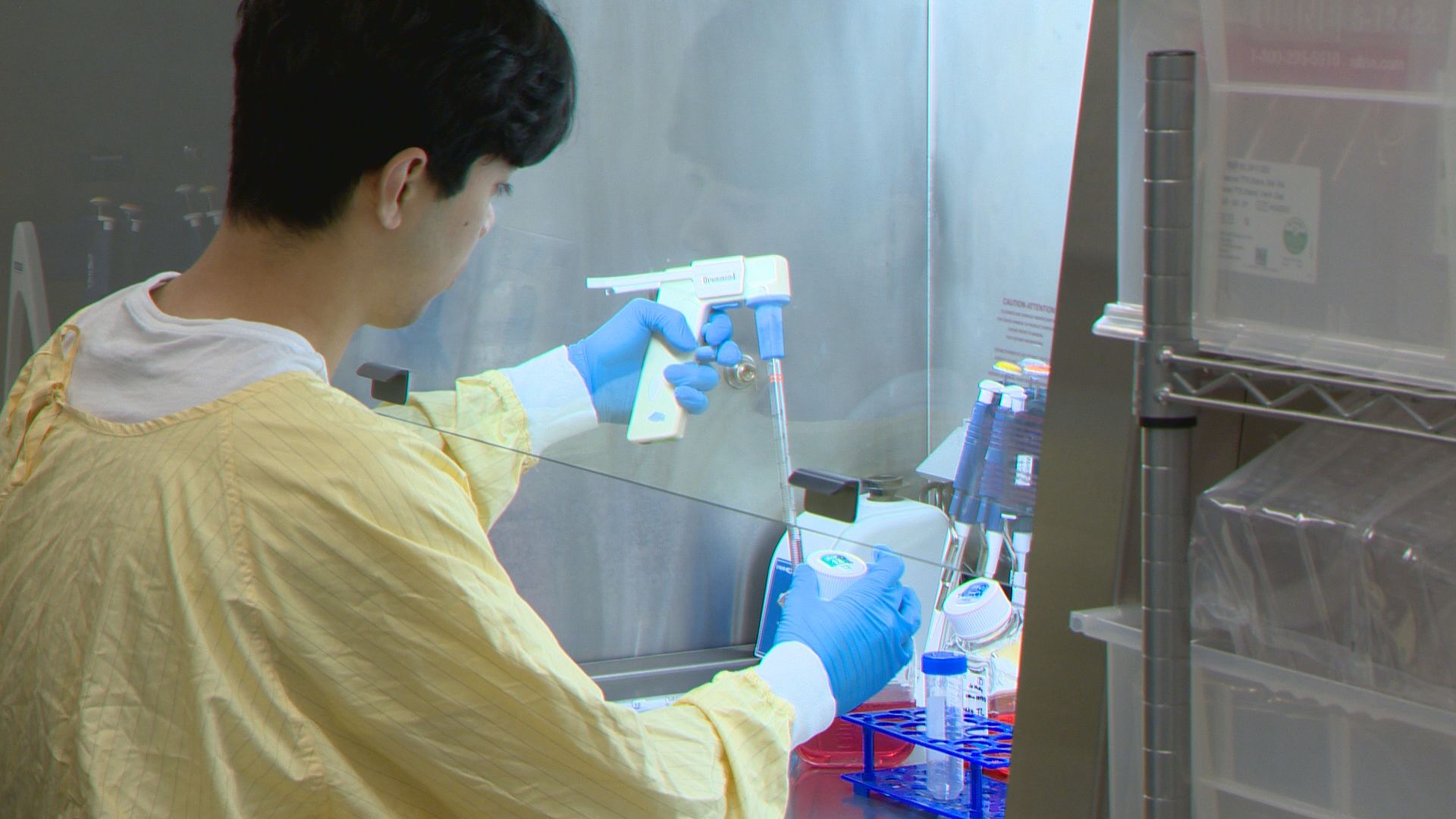
The World Health Organization is currently coordinating a research project involving 21 countries to study how the Andes virus develops, aiming to accelerate the creation of diagnostics and targeted therapeutics. This international focus is necessary, but it serves as a reactive plaster on a systemic wound.
The ultimate takeaway from the MV Hondius crisis is that the boundary between isolated wilderness pathogens and global transit networks has completely dissolved. The outbreak is officially over, but the structural flaws that allowed a remote South American virus to trigger a 33-country emergency remain entirely unaddressed.