International student pipelines don't usually end inside a federal prison, but Abjeet Singh Kingra managed to defy the odds. He arrived in Canada back in 2018. Like thousands of others, he carried a study permit, a handful of promises, and the heavy financial expectations of his family back home in India.
By 2024, those expectations collided head-on with survival. He was broke, struggling in school, and bouncing between low-wage construction, security, and delivery gigs in Surrey and Winnipeg. That is when a guy he met through a moving company gig offered him an escape route. It cost exactly $4,000 cash. Read more on a related topic: this related article.
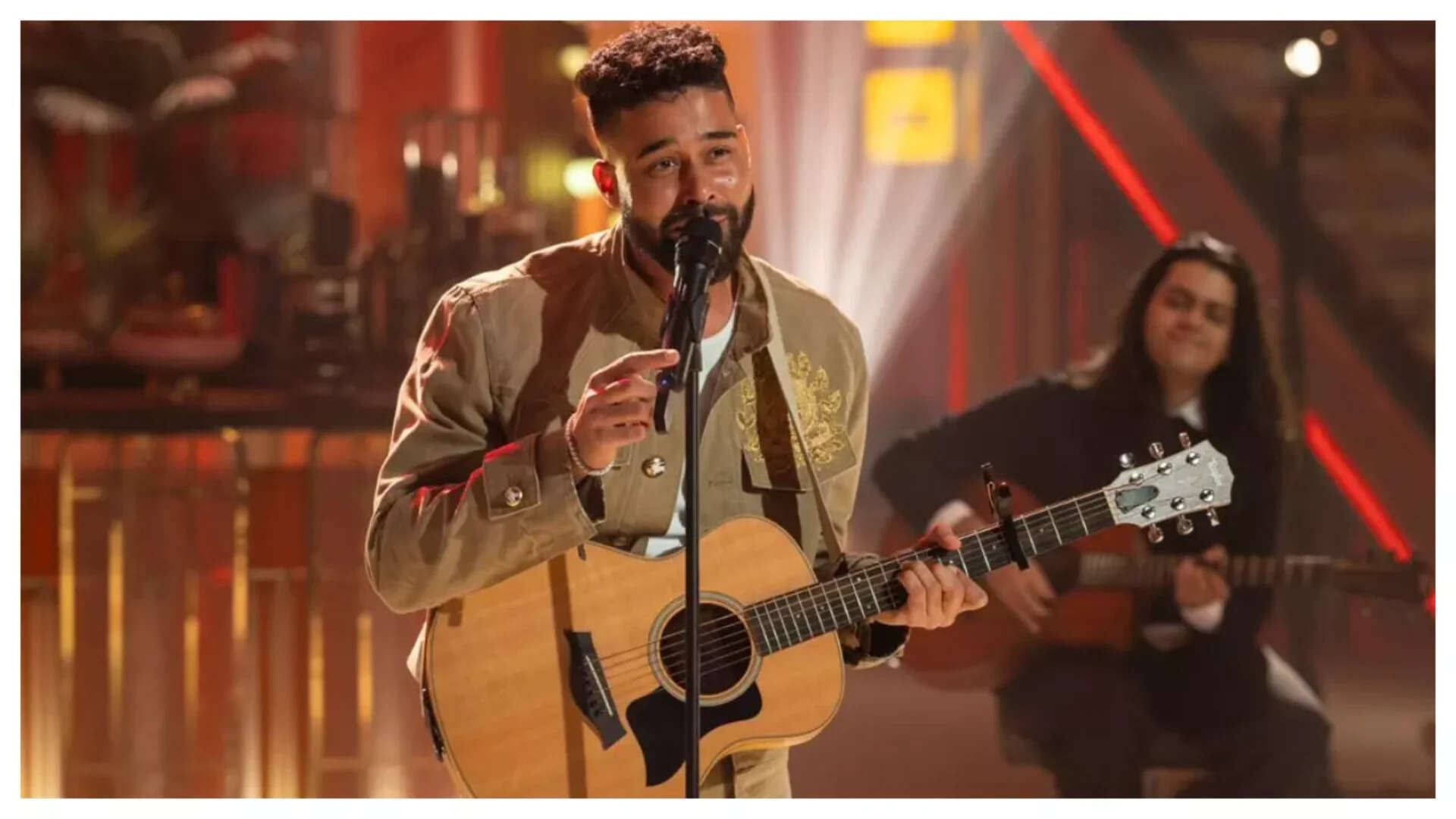
The task seemed simple. Burn two cars and fire a handgun 14 times into a luxury home on Vancouver Island. The target belonged to Punjabi music sensation AP Dhillon. Kingra took the cash, strapped on a camera to film the shooting for proof, and pulled the trigger.
Now, sitting inside B.C.’s Mission Institution, the 26-year-old faces an entirely different reality. The Canadian government wants him gone. But Kingra is begging immigration officials to let him stay, claiming that if he is deported, the notorious Lawrence Bishnoi gang will kill him the second his feet touch Indian soil. More reporting by Reuters delves into similar views on the subject.
The Illusion of the Low-Level Hustle
What Kingra claims he did not realize was that he was not just doing an odd job for a sketchy friend named Vikram Sharma. He was acting as a low-level hitman for a transnational criminal network.
During an admissibility hearing before Canada's Immigration and Refugee Board, Kingra tried to paint himself as an oblivious pawn. He testified through a interpreter that he woke up the morning after the September 2024 attack to find his own bodycam footage plastered across international news networks.
"Even I was surprised that it was everywhere on the news channel in the morning," Kingra testified. "If I would have known earlier that Bishnoi gang is involved in it and it would have been that serious, extortion and all that, I would have refused at that point."
The Canada Border Services Agency (CBSA) isn't buying the clueless routine. Federal representative Jasbir Sandhu pointed out a glaring contradiction: Kingra already pleaded guilty to arson and firearms offences, and the sentencing judge explicitly noted he acted at the behest of the Bishnoi gang.
The gang operates on a strict system of insulation. Foot soldiers don't get introduced to the bosses. They get a name, a location, and a stack of cash. Kingra claims the gang now views him as a police informant because he was the first one arrested, putting a massive target on his back and his family back in India.
Why a Global Terror Entity Cares About Music Videos
The logic behind the shooting sounds insane to outsiders, but it fits a brutal pattern. AP Dhillon was not being extorted for money. He was targeted because he released a music video called "Old Money" featuring Bollywood icon Salman Khan.
The Bishnoi gang has a decades-long, obsessive vendetta against Khan. The feud stems from a 1998 incident where Khan was accused of poaching a blackbuck—a protected species of antelope revered as sacred by the Bishnoi community in Rajasthan. Lawrence Bishnoi, who runs his billion-dollar criminal empire from inside an Indian prison cell, has vowed to assassinate Khan. Anyone who works with the actor becomes fair game.
Shortly after Kingra riddled Dhillon's Colwood home with bullets, Rohit Godara, a known Bishnoi lieutenant, took to social media to claim responsibility. He warned Dhillon to "stay in your place."
Canada officially designated the Bishnoi gang a terrorist entity after a wave of extortions, drive-bys, and arsons targeted South Asian business owners across British Columbia, Alberta, and Ontario. Investigators even uncovered a brazen letter sent by the gang to B.C. police boastfully claiming they have over 1,000 foot soldiers active across Canada.
The Blueprint of Exploitation
Kingra’s defense attorney tried to argue that his client is just a desperate kid who made a horrific mistake because he was broke. "Maybe I'm an idiot," Kingra said during his testimony when grilled about why he recorded the shooting.
But this case exposes a systematic vulnerability in Canada's immigration infrastructure. Criminal syndicates aren't importing highly trained assassins; they are recruiting vulnerable, isolated international students who are drowning in debt and desperate to send money home.
Vikram Sharma, the co-accused who allegedly handed Kingra the gun and the $4,000, fled Canada immediately after the shooting and is believed to be hiding out in India. Kingra was left behind to take the fall. He is currently serving a six-year sentence while also awaiting trial for a completely separate August 2024 shooting incident in Surrey.
What Happens Next
The Immigration and Refugee Board is scheduled to hand down its decision on Kingra's deportation order. If the board issues a deportation order on the grounds of organized criminality, Kingra’s path to staying in Canada narrows significantly.
While Canada generally avoids deporting individuals to countries where they face a verified risk of torture or death, the government has aggressive mechanisms to expel non-citizens convicted of serious violence linked to organized crime.
If you are following this case or running a business in a community impacted by these extortion networks, watch the upcoming federal court filings on the Bishnoi gang's Canadian operational footprint. The legal precedent set by Kingra's deportation ruling will dictate how Canada handles dozens of other foreign nationals currently tied up in the country's ongoing gang enforcement crackdown.