Imagine looking at a video of yourself from the sixth grade. Your voice is an octave higher. Your hair choice is questionable. You are talking about your wildest dreams for high school.
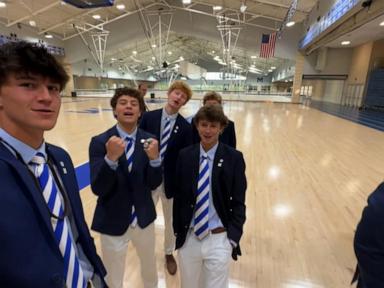
For most of us, those awkward middle school moments are safely buried in a dusty family hard drive or forgotten in an old cloud account. But a group of Tennessee high school seniors just got the ultimate reality check. They sat down to watch a continuous video chronicle of their own lives, filmed consistently from the day they entered sixth grade until the week they graduated.
This isn't a casual smartphone compilation. It is a structured, long-term documentary project that captures the raw, unfiltered evolution of American teenagers. The results are funny, jarring, and deeply moving.
The Reality of Documenting Ten Years of Growing Up
We live in an era where everything is recorded, yet nothing is preserved. Kids post hundreds of short-form videos a year, but those clips vanish into the algorithmic void. They don't show growth; they show trends.
The Tennessee video project worked differently. By keeping the questions consistent year after year, it created a true baseline for human change.
When you track a student from age 11 to age 18, the physical transformation is the most obvious spark. Voices drop. Braces come off. Styles shift from mismatched graphic tees to deliberate fashion statements. But the emotional shifts hit much harder.
Sixth graders usually talk about the world with absolute certainty. They want to be professional athletes, famous actors, or video game designers. They worry about who they will sit with at lunch or whether the middle school hallways are as scary as people say.
By the time those same students answer questions as seniors, the tone shifts completely. The bravado melts away. It gets replaced by a mix of quiet confidence and genuine anxiety about the future. They talk about tuition costs, moving away from home, and the bittersweet reality of leaving friendships behind. Watching these two versions of the same person share the screen is a wild experience.
Why Keeping a Digital Time Capsule Changes Your Brain
Psychologists have studied how we look back at our younger selves. It turns out our memories are incredibly unreliable. We tend to rewrite our personal histories to fit how we feel right now.
Seeing your past self on tape shatters those illusions.
- It kills the myth of the good old days. Students often romanticize middle school or early high school. Seeing a video of themselves stressed out over a seventh-grade math test brings immediate perspective.
- It proves resilience. When a senior watches their freshman self crying over a broken friendship or a failed tryout, they realize something crucial. They survived. The world didn't end.
- It grounds their identity. In a world where teenagers constantly shift their personalities to fit online subcultures, the video archive acts as an anchor. It reminds them who they actually are under the noise.
Most kids don't get this level of insight. They get fragmented Snapchat memories that pop up for 24 hours and disappear. A deliberate, multi-year video archive forces a level of self-reflection that is rare in modern childhood.
How to Build a Real Video Time Capsule for Your Own Kids
You don't need a school district or a film crew to replicate what these Tennessee seniors experienced. You can start this with your own kids or younger siblings right now. But you have to do it right. Random clips of birthdays won't cut it.
First, establish a schedule. Twice a year is the sweet spot. Pick their birthday and the first day of school, or Thanksgiving and the start of summer. Consistency matters way more than production value.
Second, use a fixed script. You want to ask the exact same five questions every single time. This creates a direct line of comparison across the years. Excellent baseline questions include:
- What is the hardest thing about your life right now?
- Who is your best friend, and what do you do together?
- What do you think you want to do for a job when you grow up?
- What are you most afraid of happening this year?
- If you could tell your future self one thing, what would it be?
Set up a phone on a tripod in a quiet room with decent lighting. Sit out of view. Let them talk directly to the camera, not to you. If they give short answers, don't badger them. Let the silence hang for a second. Often, the best insights come right after the initial awkward pause.
Store the files in three separate places. Put them on a local external hard drive, an online cloud storage service, and a physical flash drive kept in a safe place. Name the files clearly with the date and the child's age. Don't let them watch the footage until they turn 18 or graduate. The magic relies entirely on the delayed payoff. Give them the gift of seeing their entire childhood flash before their eyes in a single afternoon.