The coffee goes cold while you watch the door. You tell yourself the delay is just poor signal, a dropped tower somewhere near a frozen trench, or paperwork stalled in a bureaucracy that moves at the speed of stone.
Distance lies. It tells you that thousands of miles of earth and multiple time zones can act as a shield against reality. Then the screen lights up.
Twelve bodies. A shattered apartment block in Ukraine. And tucked inside an official bulletin delivered by President Volodymyr Zelenskyy, a quiet, devastating detail: one of them carried an Indian passport.
We measure global conflict in abstract integers. Thousands dead. Millions displaced. Strategic advances measured in meters of blood-soaked mud. But war is not a weather pattern. It is an accumulation of solitary heartbreaks, happening to people who simply wanted a better life for the people they left behind.
The Geography of Hope
To understand how an Indian citizen ends up in the crosshairs of artillery fire in Eastern Europe, you have to look at the map of economic gravity.
Imagine a young man sitting in a crowded room in a tier-two city, staring at a smartphone screen. The local job market offers exhaustion with little return. Rent climbs. Dreams shrink. Across the globe, recruiters dangle promises of steady work, technical support roles, or logistics support in secure zones. The pay sounds astronomical compared to home. It looks like a lifeline.
It is a well-documented global pipeline. Economic pressure pulls young people from South Asia into gray zones where labor is cheap and safety is an afterthought.
(Note: When we speak of recruitment pipelines, we are looking at documented patterns of labor migration where individuals are sometimes funneled into high-risk support roles without a full, transparent picture of the front lines.)
The journey begins with hope. A suitcase packed with too many sweaters. A mother's blessing whispered over a threshold. An airport departure gate smelling of jet fuel and cheap cologne. They board the plane believing they are writing a story of upward mobility. They do not know they are walking into a trapdoor.
The Sound of Silence
War does not announce itself with a trumpet. It arrives with a whistle overhead and a sudden, violent concussive thud that rearranges the architecture of a city block in milliseconds.
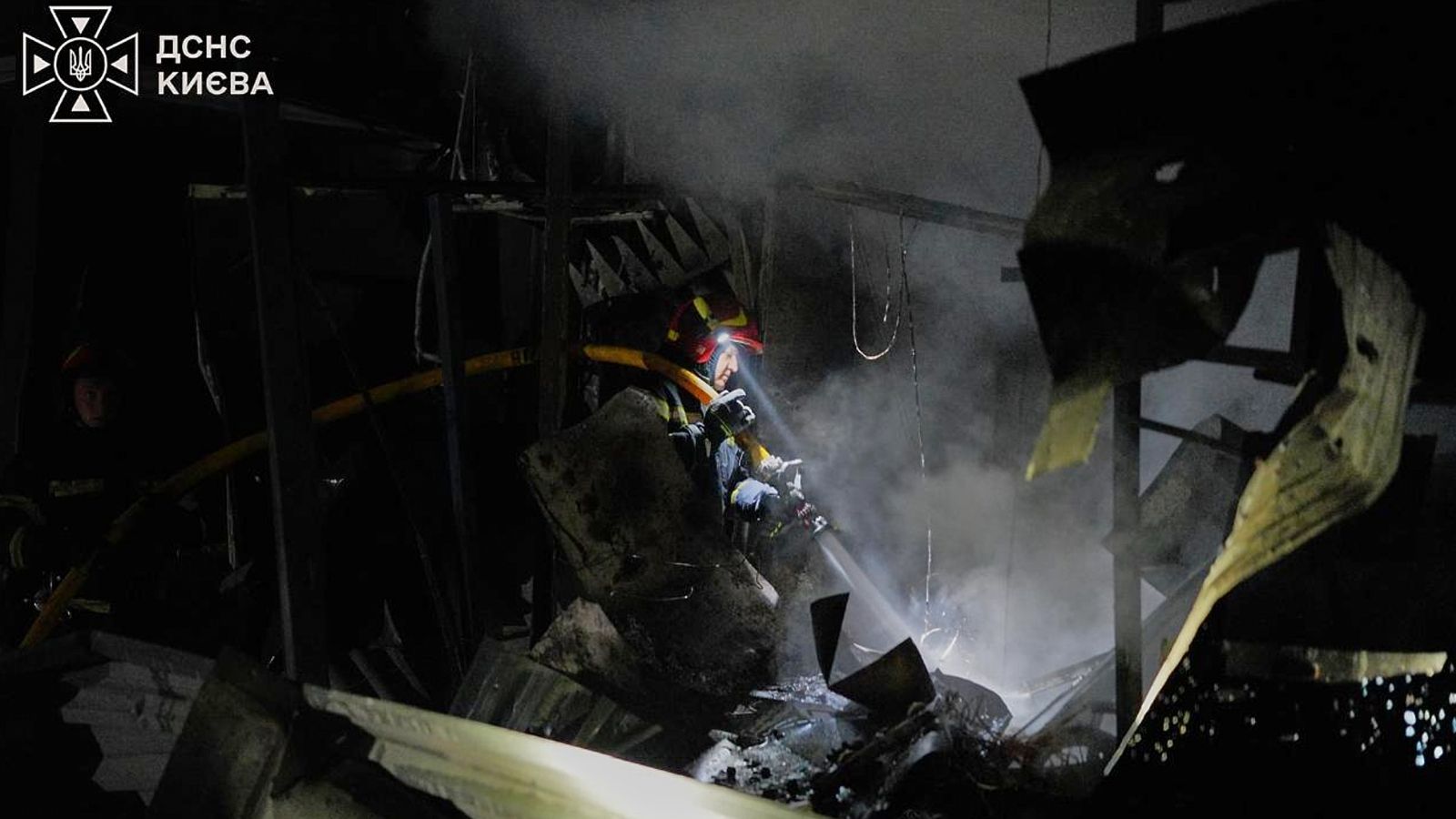
When Russian strikes hit residential areas, concrete turns to dust. Glass becomes shrapnel. In the immediate aftermath, there is a surreal, ringing silence before the sirens start.
President Zelenskyy’s briefing did not dwell on the individual names immediately. Bureaucracy requires verification. Passports must be pulled from the rubble. DNA matches must be confirmed through consular channels. But behind the cold diplomatic language lies an unbearable intimacy.
Consider what happens next in a living room thousands of miles away.
The phone rings. It is an unfamiliar country code. An official voice asks if you are related to the holder of a specific passport number. In that single second, the room tilts off its axis. The past ten years of working extra shifts, saving every rupee, and celebrating milestones via grainy video calls evaporate.
There is a profound helplessness in grief that crosses borders. How do you mourn someone whose final moments were spent beneath a European sky you have never seen? How do you repatriate a body across continents when geopolitics, sanctions, and active combat zones turn logistics into an impossible maze?
The Invisible Price Tag
We talk endlessly about geopolitics as if it were a board game played by men in suits. We analyze supply chains, defense pacts, and territorial gains. We forget the collateral human cost borne by those who have no stake in the outcome.
The young Indian worker killed in those strikes was not a combatant. He was a cog in the vast, churning machine of global migration, caught in a conflict that belongs to history books he never read. His death is a reminder of how porous our world has become to danger, and how stubbornly closed it remains to justice.
We want neat narratives. We want heroes and villains, clear borders and tidy resolutions. Reality refuses to cooperate. Reality is messy. It is a cold cup of tea on a kitchen table. It is a mother staring at a phone that will never ring with his voice again.
The smoke clears over the Ukrainian ruins. The rescue workers pack up their gear. The diplomats issue their statements of condolence, standard and rehearsed.
Back home, the door remains unlocked, just in case. The wind rattles the latch. No one comes through.