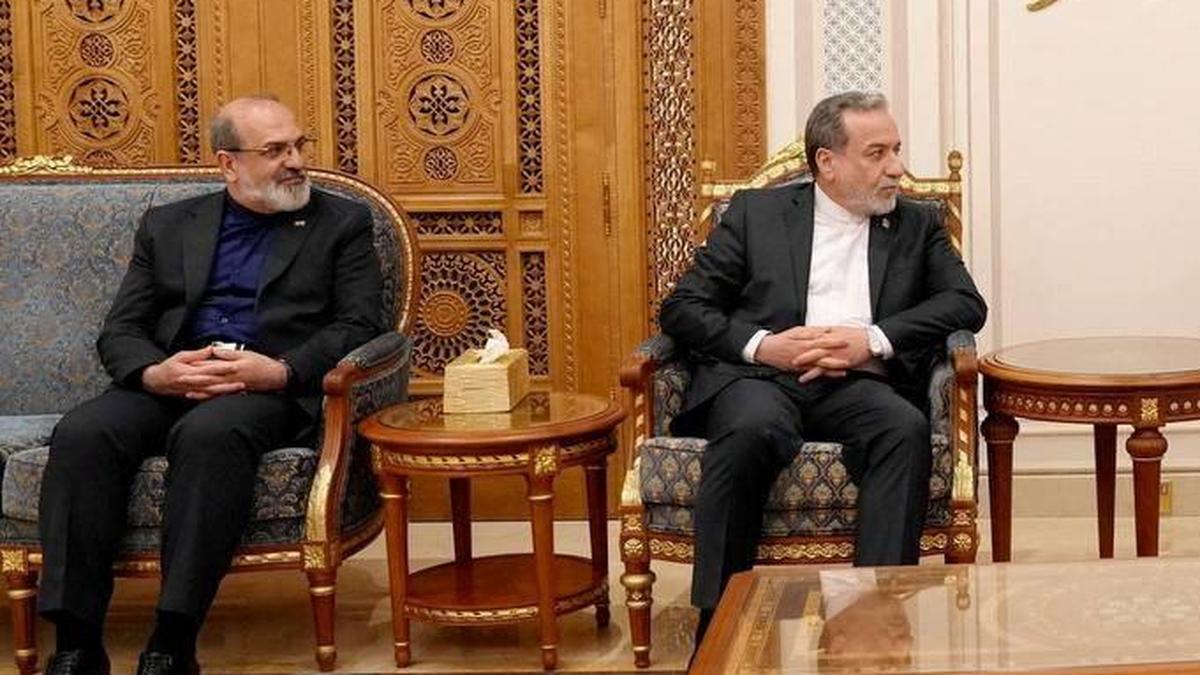
The convergence of Iranian Foreign Minister Abbas Araghchi and Pakistan’s Chief of Army Staff (COAS) General Asim Munir in Rawalpindi represents a critical recalibration of the West Asian security architecture. This meeting functions as a high-stakes synchronization of kinetic and diplomatic assets intended to manage the escalating friction on the Sistan-Baluchestan border while simultaneously insulating the bilateral relationship from the volatility of the Israel-Iran conflict. To understand the gravity of this engagement, one must analyze the structural interdependence of these two nuclear-adjacent powers through the lens of border securitization, proxy management, and economic survival.
The Triad of Bilateral Friction Mechanisms
The relationship between Tehran and Islamabad is defined by three distinct operational layers that dictate the success or failure of any high-level summit.
- The Kinetic Layer (Border Management): The 900-kilometer frontier is a theater of low-intensity conflict involving Jaish al-Adl and various Baloch insurgent groups. The Araghchi-Munir talks prioritize the "Joint Border Coordination Mechanism," a framework designed to prevent the recurrence of the January 2024 missile exchanges. This layer requires a transition from reactive cross-border strikes to proactive intelligence sharing.
- The Geopolitical Layer (Regional Alignment): Iran views Pakistan as a potential "neutralizer" of Western influence in the Arabian Sea. Conversely, Pakistan views Iran as a gateway to Central Asian energy markets and a buffer against Indian influence in Afghanistan.
- The Economic Layer (Sanction Circumvention): Both nations face severe fiscal constraints—Iran via international sanctions and Pakistan via a structural balance-of-payments crisis. The completion of the Iran-Pakistan (IP) Gas Pipeline remains the primary economic variable, though it is currently stalled by the threat of U.S. extraterritorial sanctions.
Securitization of the Sistan-Baluchestan Corridor
The primary bottleneck in Iran-Pakistan relations is the "security-trust deficit" regarding the Balochistan region. Araghchi’s visit aims to institutionalize a military-to-military de-escalation protocol. The logic here is simple: diplomatic platitudes from foreign ministries are insufficient if the operational commanders on the ground do not have a direct line of communication.
General Munir’s involvement signals that Pakistan treats the Iranian relationship as a core defense priority rather than a standard diplomatic file. By engaging the Army Chief directly, Araghchi is bypassing the slower bureaucratic channels of Islamabad’s civilian government to secure immediate commitments on border patrolling. The strategic objective is the creation of a "Common Security Zone," where both militaries coordinate to eliminate militant sanctuaries without violating each other's sovereignty.
The Israel-Iran Shadow and Pakistani Neutrality
The timing of Araghchi’s return to Pakistan is not coincidental. It follows a cycle of direct confrontations between Iran and Israel. Iran is currently engaged in a regional "shuttle diplomacy" campaign to ensure that neighboring airspace—specifically that of nuclear-armed Pakistan—remains closed to adversarial military operations.
Pakistan’s doctrine of "Active Neutrality" is being tested. Islamabad cannot afford to alienate its Gulf Arab partners (Saudi Arabia and the UAE), who provide essential financial bailouts, nor can it risk a hostile western border with Iran. Araghchi’s mission is to secure a guarantee that Pakistan will not be part of any U.S.-led "Abraham Accords" expansion or a regional anti-Iran military coalition. The COAS, in this context, acts as the ultimate guarantor of Pakistan’s strategic autonomy.
The Economic Impediment of the IP Pipeline
While the Araghchi-Munir summit focuses on security, the underlying economic friction centers on the Iran-Pakistan Gas Pipeline. This project serves as a case study in how geopolitical constraints override regional energy needs.
- The Iranian Position: Tehran has completed its portion of the pipeline and has repeatedly threatened to invoke a multi-billion dollar penalty clause if Pakistan does not fulfill its side of the agreement.
- The Pakistani Constraint: Islamabad faces a "Sanction Trap." Constructing the pipeline risks triggering U.S. sanctions that could jeopardize Pakistan’s current IMF program.
- The Strategic Workaround: Discussions likely involve "Barter-Trade Frameworks" or small-scale energy transfers that fall below the threshold of major sanctionable activity. This allows both nations to maintain the appearance of cooperation while avoiding a total collapse of the project.
Strategic Forecast and Operational Outcomes
The success of the Araghchi-Munir engagement will be measured by the stability of the border over the next fiscal quarter. If the "Joint Border Coordination" leads to a measurable decrease in insurgent activity, it will provide the political cover necessary for Pakistan to deepen its engagement with the BRICS+ framework, where Iran is already a member.
However, the structural limitation remains the divergence of their external dependencies. Iran’s survival strategy is rooted in "Resistance" against the Western-led order, whereas Pakistan’s survival strategy is rooted in "Stabilization" within that same order. These two paths are fundamentally misaligned, meaning that while tactical security cooperation will likely increase, a deep strategic alliance is mathematically improbable under current global conditions.
The definitive strategic move for Islamabad is the maintenance of a "Cold Peace" with Tehran—prioritizing border stability and counter-terrorism while resisting any Iranian attempts to draw Pakistan into the broader Axis of Resistance. For Tehran, the goal is "Containment of the Eastern Front," ensuring that while Pakistan remains an ally of the West, it never becomes a platform for Western aggression. Any deviation from this delicate equilibrium would necessitate a radical restructuring of Pakistan’s western defense posture, a cost the state is currently unwilling and unable to bear.