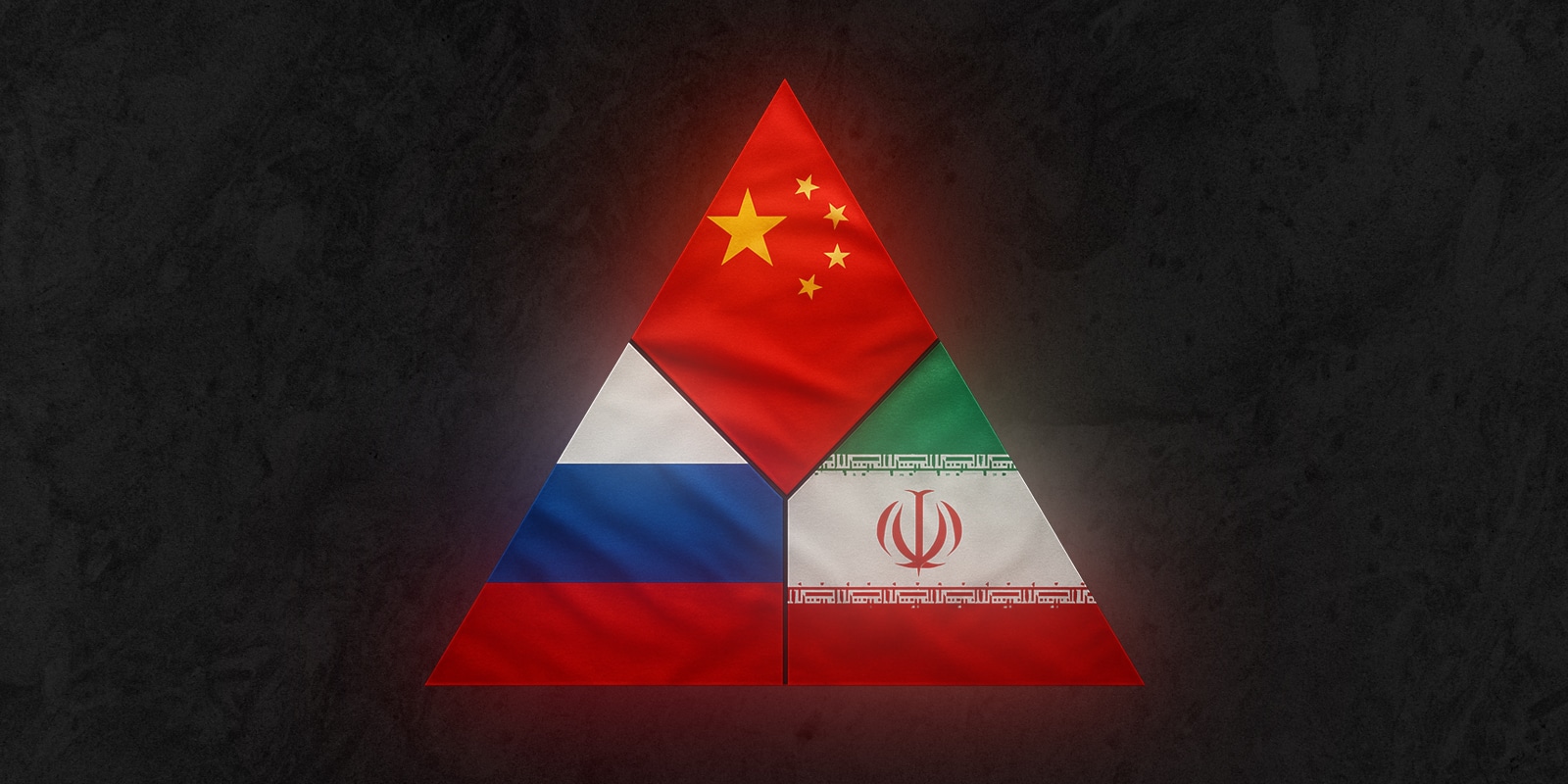
The mainstream media is currently hyperventilating over a scheduled meeting between Iranian diplomats and Beijing’s top brass. They want you to believe this is a strategic masterstroke—a "unified front" designed to checkmate the United States just as a new administration prepares to take the stage. They’re framing it as a geopolitical earthquake.
It isn’t. It’s a press release masquerading as a power play.
If you’re watching the news, you’re being told that China is Iran’s "lifeline" and that this meeting represents a hardening of an anti-Western axis. This narrative is lazy, predictable, and fundamentally ignores how Beijing actually operates. China doesn’t do "alliances" in the way the West understands them. China does transactions. Right now, Iran has very little to sell that China can’t get cheaper, safer, and with fewer headaches elsewhere.
Stop looking at the photo ops. Start looking at the ledger.
The Myth of the Strategic Partnership
The chattering class loves to cite the 25-year "Strategic Cooperation Agreement" signed in 2021. They speak about it in hushed tones as if it’s a manual for global domination. I have spent years tracking capital flows across Central Asia and the Middle East. I’ve watched "mega-deals" announced with fanfare only to evaporate into the ether when the first quarterly risk assessment hits a desk in Shanghai.
The reality? That 25-year agreement is a glorified memorandum of understanding. Since its signing, Chinese Foreign Direct Investment (FDI) into Iran has been anemic. While Beijing pours billions into the "Vision 2030" projects of Saudi Arabia and the UAE, Iran gets the scraps.
China isn't choosing Iran over the West; China is using Iran as a hedge. Beijing enjoys having a thorn in Washington's side, but they aren’t about to bleed for it.
Why China is Actually Ghosting Tehran
- The Energy Disconnect: The argument is that China needs Iranian oil. In reality, China loves discounted oil. They buy from Iran because the sanctions force Tehran to sell at a massive "haircut." If those sanctions were lifted, or if the price of Brent dipped significantly, Beijing would pivot back to the Saudis or the Kuwaitis in a heartbeat. There is no loyalty in the tanker business.
- The GCC Priority: China’s trade volume with the Gulf Cooperation Council (GCC) dwarfs its trade with Iran. Beijing’s primary goal in the Middle East is stability for its energy supply chains. An erratic, sanctioned Iran is a volatility risk.
- The Trump Factor: The competitor article suggests this meeting is a "warning" to the incoming Trump administration. That is a fundamental misunderstanding of Chinese psychology. Beijing doesn't "warn" with tea and handshakes. They warn with export controls on rare earth minerals or by devaluing the Yuan. This meeting is actually a defensive crouch. They are trying to figure out how much leverage they have before the tariff war restarts. Hint: It’s less than they want you to think.
Dismantling the "People Also Ask" Delusions
When people search for information on China-Iran relations, they ask questions rooted in a 1970s understanding of geopolitics. Let’s correct the record.
"Is China helping Iran evade sanctions?"
Yes, but not because they like Iran. They do it because it’s profitable for small, "independent" Chinese refineries (often called "teapots") that have no exposure to the US financial system. The Chinese state banks—the ones that actually matter—are terrified of secondary sanctions. If the US Treasury truly squeezed the big players in Beijing, they would drop Tehran faster than a failing tech stock.
"Will this meeting lead to a military alliance?"
Zero chance. China hasn't fought a major war since 1979. Their entire model is based on "winning without fighting." They provide Iran with enough technology to keep the Americans busy, but they have no intention of getting dragged into a regional conflict. They want the Middle East to be a gas station, not a battlefield.
"Is the US losing influence in the region?"
This is the wrong question. The US isn't "losing" influence; it is changing the nature of its presence. The move toward the Abraham Accords and localized security frameworks means the US doesn't need to be the "policeman" anymore. This leaves China in a precarious position: they want the influence, but they refuse to pay the security costs. They are free-riders on the American-guaranteed security of the Persian Gulf.
The Economic Mirage
Let’s talk about the "Belt and Road Initiative" (BRI). For years, we’ve heard that Iran is the "central hub" of the BRI. Look at a map of actual completed infrastructure. The northern corridors through Central Asia and the maritime routes through the Suez are where the money is. Iran is a bottleneck, not a bridge.
The infrastructure in Iran is crumbling. To make Iran a viable transit hub, China would need to invest hundreds of billions in rail, port, and power infrastructure. They aren't doing it. Why? Because you don't build a high-speed rail line through a country that might get its power grid Fried in a weekend of airstrikes.
The "Salami Slicing" Strategy
Beijing is practicing "salami slicing" diplomacy. They take a tiny sliver of cooperation—a diplomatic visit here, a small drone tech transfer there—and they blow it up in the media to make it look like a cohesive strategy.
I’ve sat in rooms with these "insiders." The Chinese officials are often frustrated by the Iranian bureaucracy’s inability to provide a stable investment environment. The Iranians are equally frustrated that China treats them like a junior partner who should be grateful for the crumbs. This is not a marriage of love; it’s a marriage of convenience where both parties are looking for the exit.
The Actionable Truth for Investors and Analysts
If you are a business leader or a policy analyst, stop reacting to the headlines.
- Watch the Big Four Banks: Forget the diplomatic cables. Watch the activity of ICBC, CCB, ABC, and BOC. When the "Big Four" Chinese banks start opening major branches in Tehran, then you can worry. Until then, it’s all talk.
- The Saudi-Iran Thaw is China's Real Play: China didn't broker the Iran-Saudi deal to help Iran. They did it to protect their investments in Saudi Arabia. They want Iran to stop being a nuisance so the oil keeps flowing to Ningbo.
- Tariffs Trump Tehran: Beijing’s stance on Iran will be traded away the moment they can get a concession on EV tariffs or semiconductor restrictions from the US. Iran is a chip on the table, not a player at it.
The Coming Collision
The "status quo" narrative says that China and Iran are moving closer because of shared "anti-Western" values. This is nonsense. China is a deeply conservative, status-quo power that values order and profit above all else. Iran is a revolutionary state that thrives on disrupting the order.
These two ideologies are fundamentally incompatible.
Eventually, Iran will realize that China has no intention of being their "savior." China will realize that Iran is more of a liability than a lever. The "high-stakes visit" being touted today is nothing more than a dress rehearsal for a play that will never open.
Beijing is playing a long game, and in that game, Iran is a pawn meant to be sacrificed, not a king to be protected. The real story isn't that China is hosting Iran's top diplomat. The story is that they felt they had to do it publicly to hide how little they are actually doing privately.
The "Axis of Resistance" is a branding exercise. Beijing is the landlord, and Tehran is behind on the rent. Don't mistake a meeting for a movement.


