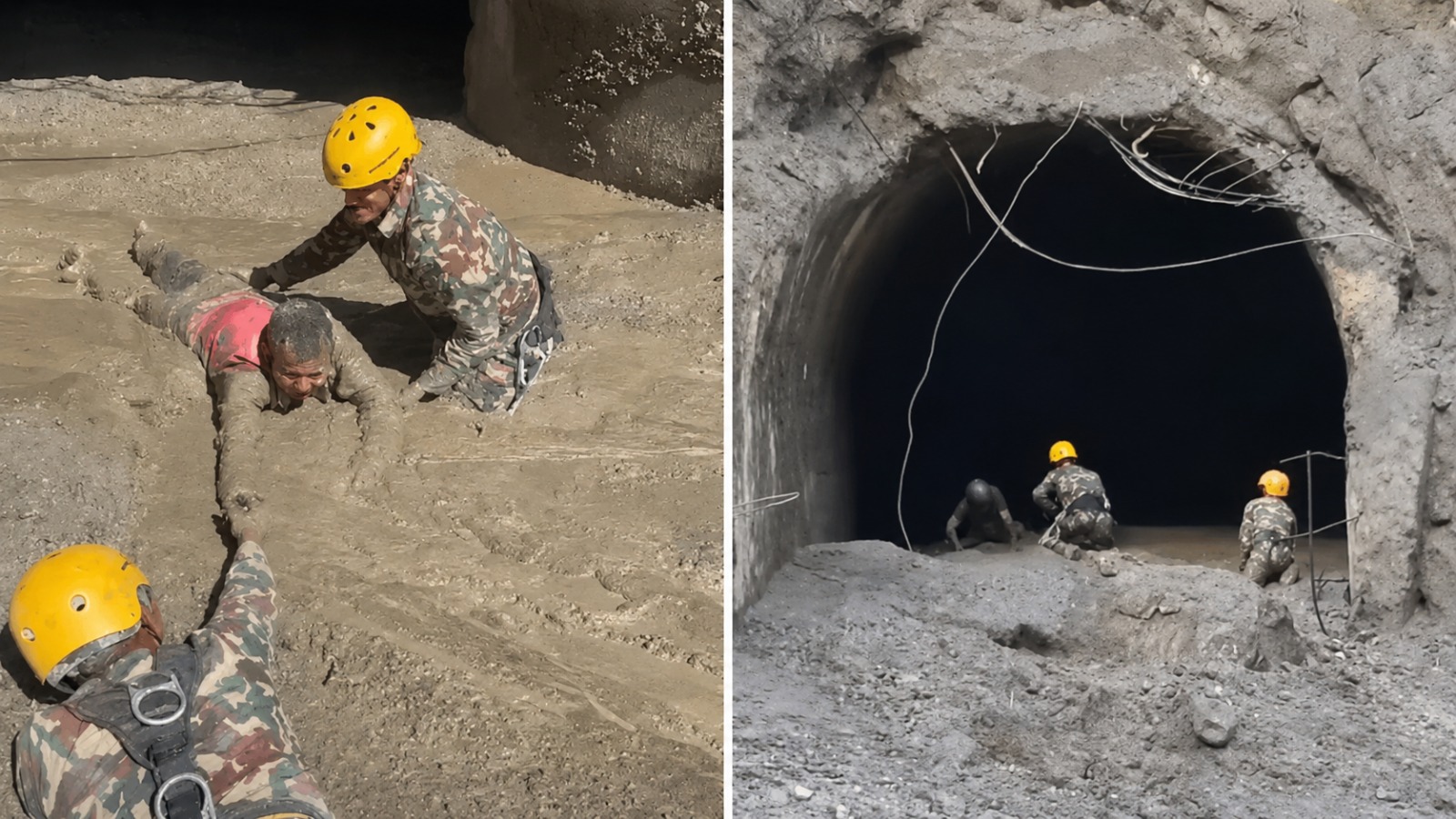
When catastrophe strikes physical infrastructure, digital infrastructure fractures instantly. Following the catastrophic flash floods across the Himalayan border regions affecting Nepal, social media networks did not merely report the disaster; they outpaced it with synthetic pollution. Synthetic media engines, text-to-image generators, and repurposed historical footage flooded feeds within hours, transforming human tragedy into an algorithmic commodity. This phenomenon exposes structural vulnerabilities in how modern information ecosystems process crisis events, illustrating that the primary bottleneck in disaster response is no longer the speed of communication, but the verification of reality.
The mechanics of post-disaster misinformation operate on a predictable economic and psychological feedback loop. Creators chasing engagement metrics exploit platform algorithms that reward high-arousal visual stimuli. Because authentic ground-level reporting from remote Himalayan gorges is delayed by physical isolation and power outages, synthetic media fills the vacuum. Generative platforms produce hyper-realistic depictions of collapsing bridges and buried villages that bypass standard critical evaluation. Users share these assets not out of malicious intent, but due to a cognitive bias toward immediate emotional resonance, creating a distribution velocity that outstrips institutional fact-checking capabilities. Don't miss our earlier post on this related article.
Regulatory bodies and state agencies face a structural lag when attempting to intercept this digital contagion. Traditional moderation mechanisms rely on reactive reporting models, where harmful content must be flagged, reviewed, and processed over a multi-hour window. During a rapid-onset crisis, a 24-hour moderation delay renders platform intervention obsolete. While regulatory authorities in jurisdictions like Kathmandu have established dedicated reporting portals and compelled individual users to purge inappropriate posts, these measures treat symptoms rather than systemic architecture. Platform algorithms remain optimized for engagement retention rather than informational integrity, meaning the structural incentive to manufacture synthetic disaster media remains untouched.
The proliferation of fabricated visuals degrades the operational efficiency of emergency response teams. Search and rescue operations depend on accurate geolocation of infrastructure failures and displaced populations. When emergency dispatchers and humanitarian organizations must sift through an influx of synthetic bridge collapses and recycled mudslide footage from prior years, decision-making latency increases. This friction wastes finite administrative bandwidth and misdirects physical resources away from genuine zones of impact. The distortion field created by synthetic media thus imposes a direct operational tax on disaster relief operations. If you want more about the history here, NPR offers an informative summary.
Mitigating this vulnerability requires shifting from reactive content takedowns to architectural verification protocols. Platforms must implement mandatory cryptographic watermarking, such as automated metadata tagging via invisible provenance standards, for any synthetic asset entering the distribution stream. Furthermore, APIs serving high-density crisis zones should automatically deprioritize unverified media accounts during declared emergencies, shifting algorithmic distribution toward accredited institutional sources. Until the structural cost of deploying unverified synthetic media exceeds the engagement return, digital ecosystems will continue to compound physical disasters with manufactured chaos.