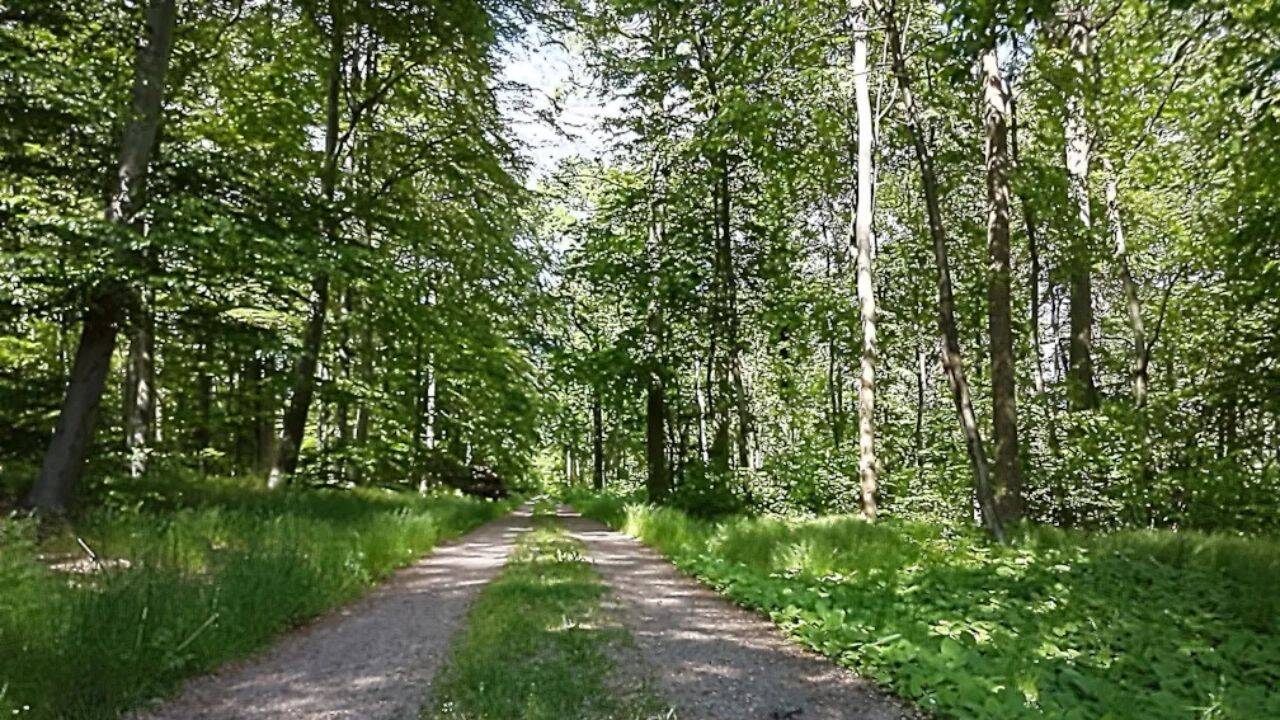
The internet loves a clean, tidy fable about bureaucratic stupidity. The standard narrative runs on rails: back in 1830, the Swedish Navy panicked about running out of high-grade timber for its sailing fleet. They planted 300,000 oak trees on the island of Visingsö. By the time the trees reached maturity a century and a half later, ironclad steamships had made wooden hulls obsolete. The military didn't need the wood. Cue the chuckles about government foresight, ancient investments going to waste, and planners missing the turning point of history.
It is a fantastic story. It is also entirely wrong about what actually happened, why long-term asset allocation works, and how strategic resource management functions in the real world.
I have spent decades watching corporations, governments, and investors panic over short-term obsolescence while ignoring the underlying fundamentals of physical capital. Everyone wants quick liquidity. Everyone wants agile pivots. When people look at the Visingsö oak forest, they see a monument to poor forecasting. They think the Swedes built a bridge to nowhere.
They are missing the point entirely.
The Lazy Consensus Of Short-Termism
The lazy argument goes like this: Sweden made a massive capital expenditure on an asset class, the technology changed, and therefore the investment failed. This is the exact same logic that leads tech founders to burn down profitable legacy operations to chase whatever trend dominated Twitter yesterday.
Let us look at the actual mechanics of that 1830 plantation.
By the early 19th century, the Swedish Crown faced a severe timber shortage. Oak takes generations to mature. If you wait until you need a battleship fleet to plant a tree, you have already lost the war before the seed hits the dirt. The Royal Swedish Navy did not predict the exact naval architecture of 1980. They predicted that high-quality shipbuilding timber would remain a critical strategic material, and they hedged their risk against supply chain collapse.
When the trees finally hit maturity in the late 20th century, did the military say, "Oops, guess we don't need these"?
No. The trees were harvested, and a significant portion of them went toward building modern Swedish naval corvettes, specialized maritime projects, and historical restorations. More importantly, long before the harvest cycle completed, the forest functioned as a continuous ecological and economic anchor for the region.
Calling this project a failure requires a profound misunderstanding of how long-horizon asset management operates.
The Physics Of Long-Horizon Capital
We live in an era cursed by quarterly earnings reports and venture capital hype cycles. If an initiative does not show hockey-stick growth inside twenty-four months, modern managers declare it dead.
That is not strategy. That is gambling with a better PR department.
When you plant an oak forest, you are engaging in generational arbitrage. You accept zero yield for decades in exchange for asymmetric upside at the tail end. Let us examine what actually happens when you commit capital for a hundred and fifty years:
- Inelastic Demand: High-density, slow-growth hardwoods do not get disrupted by software updates. While digital assets evaporate overnight due to protocol changes, physical matter retains intrinsic utility.
- Optionality: A mature forest is not a single-use product. Even if the original intent shifts, the physical resource pivots. Timber becomes flooring, furniture, specialized marine architecture, or carbon credits.
- Inflation Defense: Fiat currencies degrade over centuries. Hard biological assets compound organically, adjusting automatically to real-world scarcity.
The Swedish Navy did not lock themselves into a bad bet. They bought a hard asset option that paid off in ways the original planners could never model on a spreadsheet.
The Real Mistake Everyone Keeps Making
The irony of the critics mocking the Swedish oak plantation is that those same critics are committing the exact opposite error in their own professional lives every single day.
They underinvest in foundational capabilities because the ROI is not immediate. They refuse to build deep, defensible moats because it takes too long to dig them. They chase ephemeral trends, swap tech stacks every three years, and wonder why their operations collapse the moment market conditions tighten.
I have watched companies blow millions on rapid digital transformations that delivered zero enduring value because they treated business strategy like a series of day-trader moves. They wanted the naval equivalent of a speed boat, ignoring the fact that storms sink speed boats while deep-draft vessels ride out the swell.
Sweden planted those trees because they understood a brutal truth that modern planners refuse to accept: some problems cannot be solved with agility. Some problems require mass, time, and stubborn patience.
Rewriting The Playbook On Strategic Assets
If you want to stop making amateur mistakes with your own resources, you need to abandon the cult of the quick pivot. Here is how you apply the Visingsö principle to actual modern execution:
First, identify your non-negotiable inputs. What are the core pillars of your operation that will still matter in thirty years, regardless of what software or trendy methodology dominates the landscape? Secure those first.
Second, stop treating long-term commitments as failures just because the environment evolved. Evolution is normal. The fact that iron ships replaced wooden hulls did not render the timber worthless; it merely changed the margin profile.
Third, build redundancy into your balance sheet. The Swedes did not plant three hundred thousand trees because they were certain they needed every single plank. They planted them because scarcity is expensive and abundance is cheap insurance.
The next time someone tells you that long-term planning is dead because the world moves too fast, remind them of the Visingsö oaks. The technology changed, the ships changed, the century changed, and the trees were still standing there, ready to be cut down and put to work.
Stop optimizing for the next quarter. Plant the damn trees.