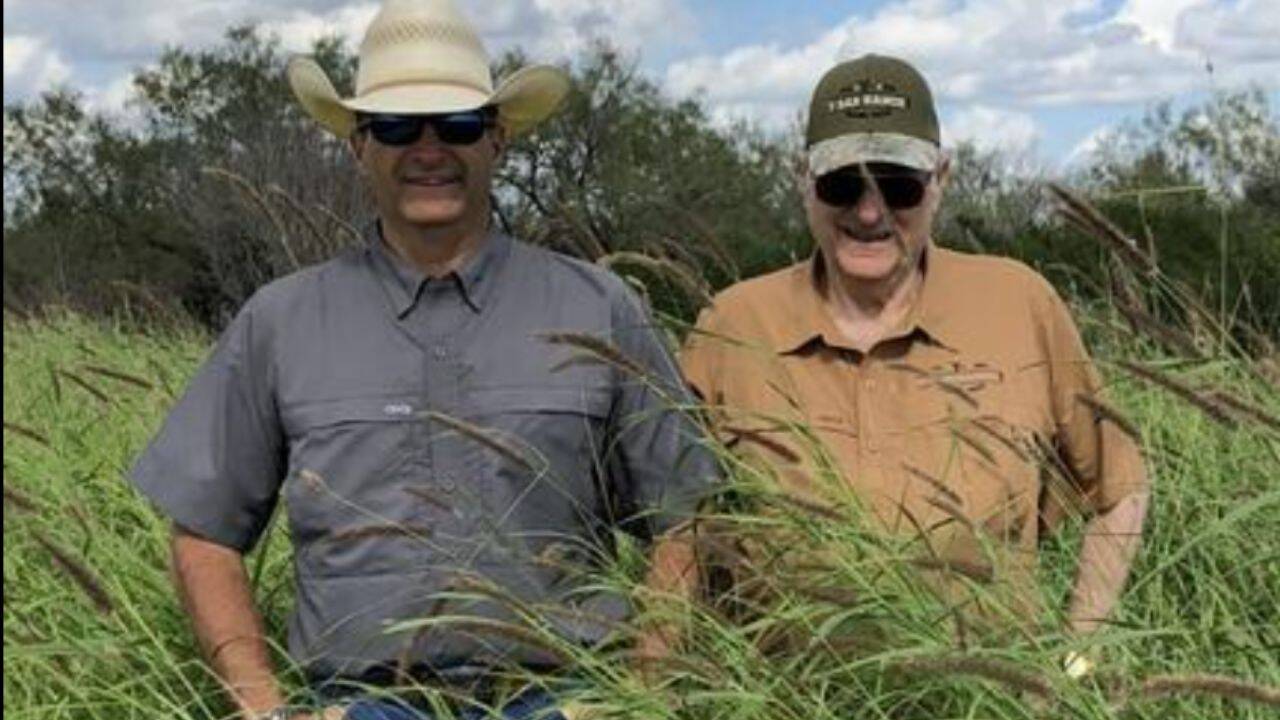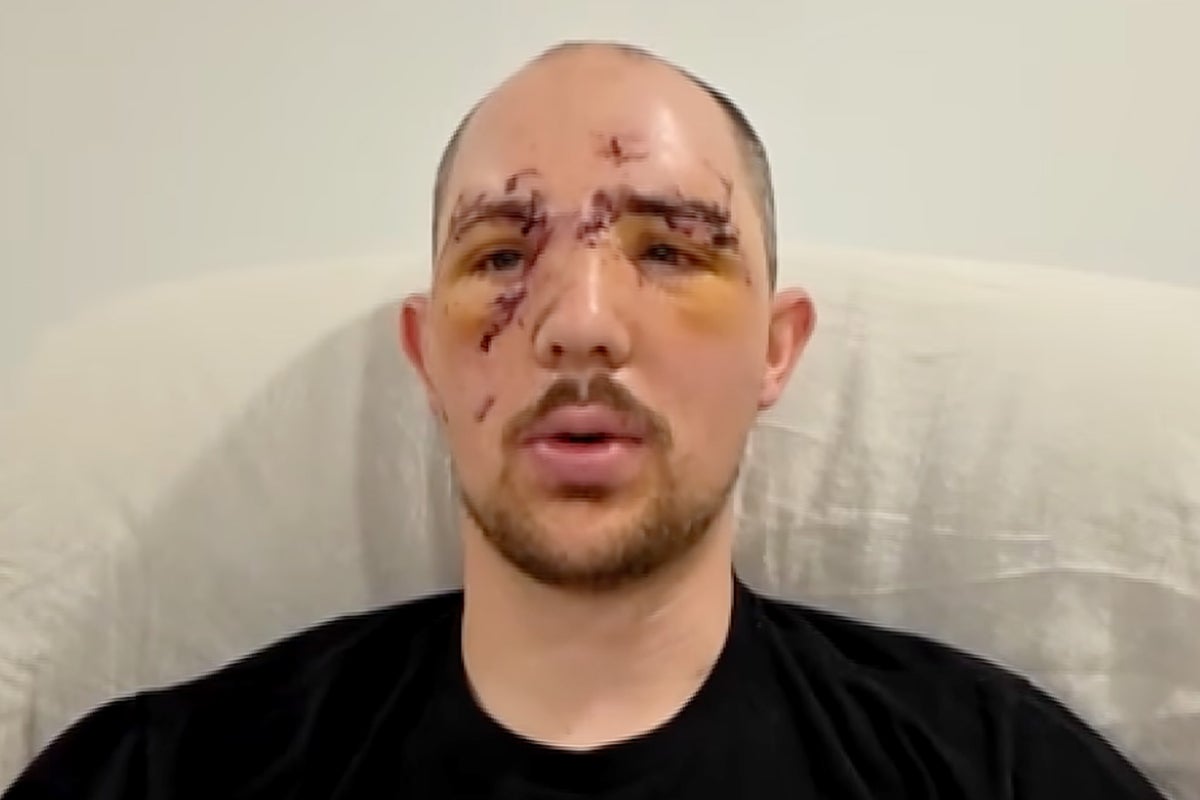
Romanticizing wilderness survival is a blood sport. Every time a hunter gets shredded by a grizzly and stumbles onto the internet with a smartphone video whispering tearful farewells before a miraculous rescue, the cultural machinery spins into overdrive. The narrative writes itself: raw human grit, divine intervention, the triumph of faith over fang.
It is a comforting, utterly lethal fairy tale.
Strip away the tear-stained sentimentality of the viral goodbye message, and you are left with a cold sequence of biological mechanics and calculated risk management. The lazy consensus of these survival stories suggests that sheer willpower, prayer, or a sudden stroke of cosmic luck pulls people out from under five hundred pounds of apex predator. That perspective does not just miss the nuance; it actively gets people killed.
The Fallacy of the Miracle Narrative
I have spent decades tracking backcountry incidents, analyzing wildlife encounters, and talking to the people who pull broken bodies off mountainsides. The media loves the redemption arc because a prayer answered makes for clean, digestible evening news. It papers over the ugly reality that survival is rarely about divine favor. It is about physics, probability, and preparation.
When a bear drops out of the brush, you do not rise to the occasion. You sink to the level of your training. If your entire strategy relies on hoping for a late-stage rescue or an emotional plea to the heavens, your life expectancy drops to zero the second teeth meet bone.
Consider the standard advice doled out by well-meaning park pamphlets: make noise, carry bear spray, stand your ground. These are fine baseline heuristics for tourists strolling through Yellowstone. They are entirely inadequate for hunters operating deep in high-density grizzly corridors where element-of-surprise encounters are statistically inevitable.
Dismantling the Bear Spray Dogma
Let us address the holy grail of modern wildlife defense: the canister of pepper spray. The outdoor industry has sold a generation of greenhorns on the idea that a high-pressure cloud of capsaicin is a magical forcefield.
The data tells a starker story. Bear spray works under optimal laboratory-style conditions when a bruin is charging across an open meadow from thirty yards away, giving you time to calmly unholster, disengage the safety, and paint a crimson wall of aerosolized fire.
What happens when you stumble over a sow with cubs in dense alder brush at a distance of four feet?
In close-quarters ambushes, the deployment window shrinks to under a second. Try drawing a canister from a hip holster while being tackled down a steep shale slope. The wind blows back into your face. The bear is already latched onto your shoulder. The spray blinds you just as effectively as it irritates the animal, neutralizing your ability to defend yourself with a firearm or knife.
I have watched seasoned outfitters lean entirely on the spray dogma, treating firearms as obsolete relics, only to get peeled open because they couldn't deploy their plastic canister fast enough in a tangled thicket. Pepper spray is a tool, not a religion. Treating it as a substitute for situational awareness and heavy-caliber stopping power is a rookie mistake with catastrophic consequences.
The Physics of the Maul
If you want to understand how to survive a bear encounter, you have to understand what an attack actually is. It is not a malicious murder attempt. It is a dominance assertion or a predatory assessment.
Grizzlies do not hunt humans for sustenance; we taste terrible and our fat-to-muscle ratio is inefficient. When a bear mauls a human, it is eliminating a perceived threat or testing a calorie-dense obstacle. The instinctive human reaction is to flail, scream, and run. That triggers the animal's chase instinct, turning a defensive swat into a fatal dragging.
Playing dead during a defensive attack works not because the bear respects your moral integrity, but because once you stop moving, you cease to be a threat. The bear's adrenaline drops, its threat assessment updates, and it moves on. It has nothing to do with karma, divine intervention, or the emotional weight of your final words to your spouse. It is cold, brutal behavioral biology.
Conversely, if a predator stalks you with genuine nutritional intent—which is rare, but happens with food-conditioned or starving animals—playing dead is a death sentence. In that scenario, you fight back with every ounce of iron and malice you possess. You aim for the snout, the eyes, the soft tissue beneath the skull. You make yourself too expensive a meal to finish.
Uncomfortable Truths About the Rescue Myth
The viral survivor narrative relies on the cavalry showing up. In reality, backcountry search and rescue operations are slow, logistically nightmarish, and heavily dependent on weather windows that often stay slammed shut for days.
If you are mauled ten miles deep into an alpine drainage and your only plan is to hit the SOS button on a satellite messenger and wait for a helicopter, you are rolling the dice with a loaded gun. Even with modern GPS tracking, rotor-wing aircraft cannot fly in heavy wind, dense fog, or blinding snow.
I have seen companies blow millions on advanced tracking technology while neglecting basic self-applied trauma care. Guys outfitting themselves for a weekend hunt will drop grand sums on carbon-fiber rifles and high-end optics, yet they do not know how to pack a gaping femoral wound or construct a pressure bandage from their own shirt.
Technology does not save you. Procedures do.
If you take a bite to the femoral artery or suffer a crushed trachea, a rescue helicopter twenty-four hours away is just a spectator at your autopsy. Self-rescue capability is the only metric that matters. Can you stanch your own bleeding? Can you walk out on a shattered femur because staying put means freezing to death before the thermal imaging picks up your heat signature?
The Contrarian Playbook for the Backcountry
If you want to survive the wilderness without relying on miracles, throw out the feel-good survival guide and adopt an operational risk framework.
- Abandon the Illusion of Control: Accept that the mountain does not care about your family, your goals, or your prayers. Nature operates on cause and effect. If you walk blindly through dense brush without breaking rhythm or making deliberate vocal cues, you are inviting an ambush.
- Layer Your Defense: Do not choose between a firearm and bear spray. Carry both, and train with both under physical duress. Run sprints until your heart rate hits one hundred and eighty beats per minute, then practice drawing your deterrent. If you cannot do it exhausted, you cannot do it panicked.
- Master Tactical Medicine: Treat a first-aid kit as your primary weapon. Learn how to apply tourniquets one-handed. Understand how to manage a collapsed lung or a crushed airway with improvised field gear. Assume rescue is not coming until it actually lands.
- Ruthless Auditing: Stop listening to social media survivalists who treat the wilderness like an aesthetic backdrop for their brand. Look at the hard incident reports from game wardens and wildlife biologists. Study how attacks actually start—not how the survivors romanticize them afterward.
The next time you watch a viral video of a mauled hunter whispering into a phone lens, look past the tears. Ask yourself what mechanical failures preceded that moment. Ask yourself how many variables were miscalculated before the claws came down.
Miracles make good headlines. Math keeps you breathing.