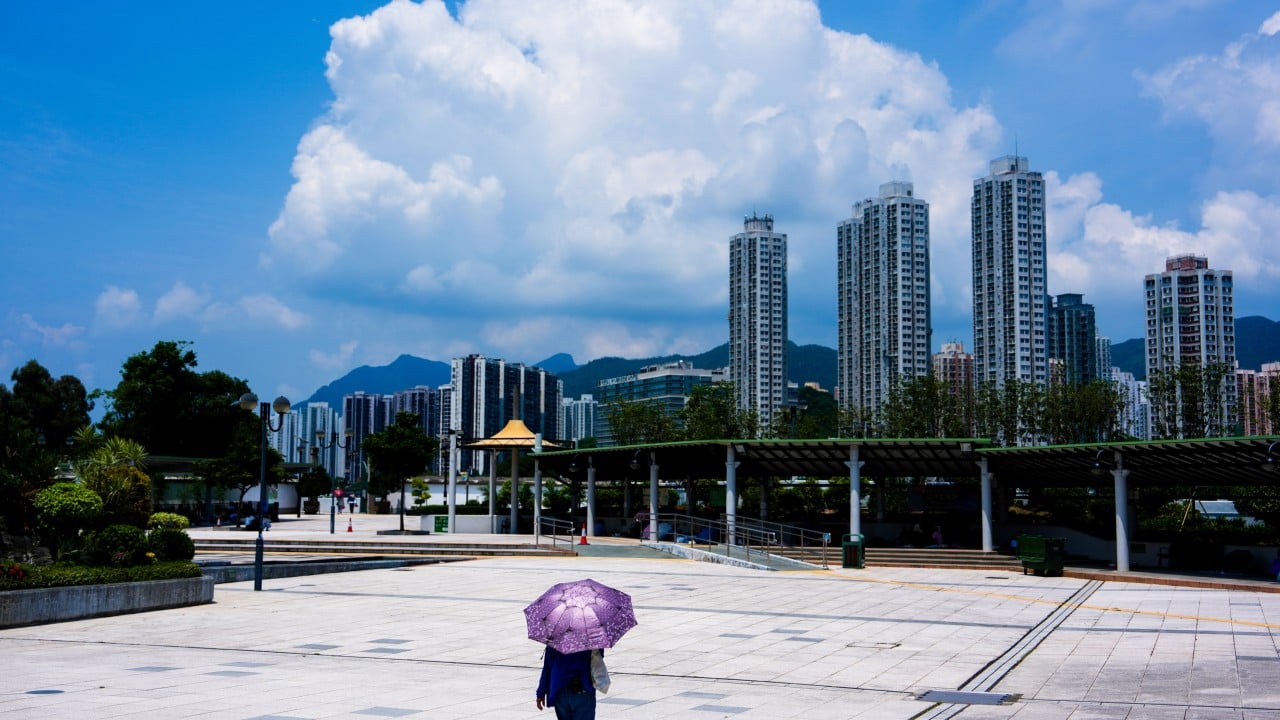
You leave home under a bright morning sun and end up stranded inside an MTR station by 2:00 PM while a wall of water floods the streets outside. If you live in Hong Kong, this story is probably familiar.
The Hong Kong Observatory regularly sounds the alarm for heavy rain and squally thunderstorms. Yet, thousands of people still find themselves completely unprepared when the skies open up.
The problem isn't a lack of warning. It's a misunderstanding of how summer weather functions in Southern China.
The Illusion of a Clear Morning
The active southwest monsoon and upper-air disturbances mean that regional weather patterns can shift in minutes. Warm, moisture-laden air masses push against the coast, heating up rapidly throughout the morning. This creates violent upward air currents known as convection.
Basically, the clearer the morning sun, the more energy the atmosphere builds up for a massive afternoon downpour.
Many residents look out the window at 8:00 AM, see blue skies, and leave their umbrellas behind. By midday, those isolated pockets of heat trigger severe convective storms. These aren't slow-moving, predictable weather fronts. They are highly localized, aggressive systems that can drop over 70 millimeters of rain on a single district in less than an hour while a neighboring district remains dry.
Decoding the Technical Jargon
When the Observatory issues a warning, they often include specific terms that the public glosses over. Understanding these terms can keep you safe.
- Squally Thunderstorms: This doesn't just mean thunder and lightning. A squall indicates sudden, violent gusts of wind that can exceed 100 kilometers per hour. These winds are strong enough to blow over scaffolding, uproot trees, and turn loose items on balconies into dangerous projectiles.
- Convective Development: This is the process where hot air rises rapidly to form massive cumulonimbus clouds. If the Observatory mentions "vigorous convection," expect rapid storm development that can catch you off guard.
- Cloud-to-Cloud Lightning: While cloud-to-ground lightning poses the most immediate danger to people outside, frequent cloud-to-cloud flashes indicate an incredibly mature and volatile storm system directly overhead.
What Most People Get Wrong About Weather Apps
Relying solely on the colorful radar map on your phone might be hurting your preparedness. Standard radar imagery shows where rain is currently falling. It doesn't always show where a new storm cell is rapidly developing right above your head.
Instead of just checking the radar loop, look at the one-hour lightning nowcast services and location-specific alert pages provided by the Hong Kong Observatory. These tools track electrical activity in the atmosphere, which often precedes the actual downpour by 15 to 30 minutes. If the app shows frequent lightning approaching your area, do not wait for the first raindrop to seek shelter.
Real World Tactics for Staying Dry and Safe
When intense thundery showers hit the Pearl River Estuary and move inland, your immediate choices matter.
If You Are Indoors
Stay away from windows. High-rise apartments in Hong Kong can experience severe wind loads during squally thunderstorms, and flying debris can shatter glass. Unplug sensitive electronic equipment if you live in older buildings or rural villages in the New Territories, as power surges from nearby lightning strikes remain common.
If You Are Outdoors
Get off high ground immediately. The hiking trails around Dragon's Back or Lantau Peak offer zero protection from sudden lightning strikes. Do not shelter under isolated trees or temporary metal structures. If you are swimming or engaging in water sports, leave the water immediately, as water conducts electricity across vast distances.
For Drivers
Reduce your speed significantly, especially on exposed highways and flyovers like the Tsing Ma Bridge. Sudden, intense gusts can easily push a vehicle out of its lane. Watch for sudden accumulation of water in low-lying areas and underpasses, as poor drainage during peak downpours can flood a road in minutes.
Check your building's drainage points and clear any debris from balconies before the storm hits. Keep the MyObservatory app alerts active on your phone, and don't let a sunny morning trick you into leaving your rain gear at home.