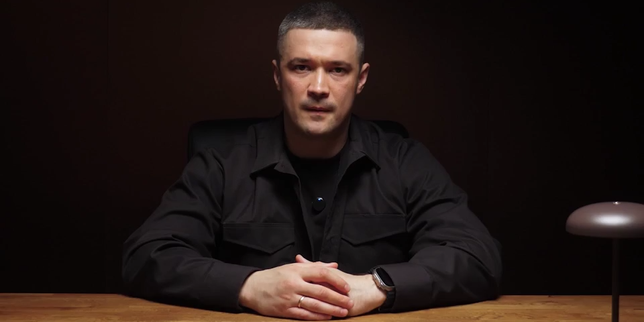
The political friction between executive authority and technocratic reform in protracted conflicts generates an unavoidable systemic crisis. When the administrative apparatus of a state at war attempts to purge internal reformers to preserve legacy patronage networks, the resulting fracture exposes the limits of wartime centralization. The public fallout following the dismissal of former defense minister Mykhailo Fedorov and his subsequent demand for a legal framework to conduct democratic renewals illuminates a core tension: how a state maintains operational survival without sacrificing the institutional accountability required to sustain external material support.
The Anatomy of the Procurement Friction
The primary catalyst for the current administrative breakdown in Kyiv is not abstract ideological disagreement, but a direct collision over resource allocation efficiency. During his tenure, Fedorov implemented digital tracking and competitive tendering mechanisms designed to eliminate inflated supply contracts and illicit kickbacks within the defense ministry. This reform engine directly threatened the decentralized rent-seeking structures historically exploited by entrenched military-industrial intermediaries.
The mechanism of failure operates through three distinct vectors:
- Information Asymmetry Removal: Digital platforms like the DELTA system replaced opaque bureaucratic reporting with algorithmic transparency, denying traditional actors the ability to obscure logistical discrepancies.
- Capital Realignment: Redirecting billions of dollars through transparent procurement channels starved legacy suppliers of discretionary margins.
- Command Friction: Attempts to assess operational success using empirical battlefield telemetry rather than traditional hierarchical metrics triggered intense pushback from the General Staff, led by Commander-in-Chief Oleksandr Syrskyi.
When President Volodymyr Zelenskyy chose to resolve this friction by dismissing Fedorov rather than confronting the entrenched military hierarchy, the administration prioritized short-term institutional stability over long-term administrative optimization.
The Cost Function of Executive Monopolization
Centralizing executive power during an existential crisis acts as a double-edged mechanism. While it compresses decision-making timelines, it simultaneously eliminates internal feedback loops that correct strategic errors. By removing reform-oriented technocrats who challenge the status quo, the executive branch creates a moral hazard: loyalty to the administrative system supersedes functional competence.
This centralization dynamic introduces acute vulnerabilities into the state architecture:
- Erosion of Public Trust: Societal confidence shifts away from the executive office as citizens perceive political survivability taking precedence over anti-corruption mandates.
- Donor Friction: International partners providing financial and military backing monitor internal governance metrics closely; administrative purges of reformers complicate compliance narratives in Washington and European capitals.
- Mobilization Paralysis: When the populace loses faith in the fairness of internal resource distribution and recruitment systems, societal compliance degrades, exacerbating the broader manpower crisis.
The Mechanics of the Wartime Electoral Dilemma
Fedorov's demand for a structured, legal mechanism to re-engage the democratic process directly addresses the constitutional suspension of elections under martial law. While the logistical hurdles of holding a national poll while millions are displaced or actively serving on the frontline are monumental, treating democracy as an indefinite casualty of conflict creates a systemic vacuum.
The structural argument for introducing a modified electoral framework rests on risk mitigation. Without an outlet for political competition, intra-elite conflict moves from institutional channels to destabilizing street protests and institutional resignations. The executive must weigh the friction of running a secure, decentralized digital election against the compounding cost of managing a permanent governance crisis from within the presidential office.
Implement a dual-track administrative audit that decouples defense procurement oversight from direct military command structures, insulating supply chain transparency from internal personnel purges while establishing an independent parliamentary commission to review wartime expenditures without disrupting front-line operations.
Zelensky Under Fire as Fedorov Rejects Key Role and Kyiv Protests Spiral Into Political Crisis provides an analysis of the immediate political fallout and street-level demonstrations following the dismissal of the former defense minister.


.jpg)
