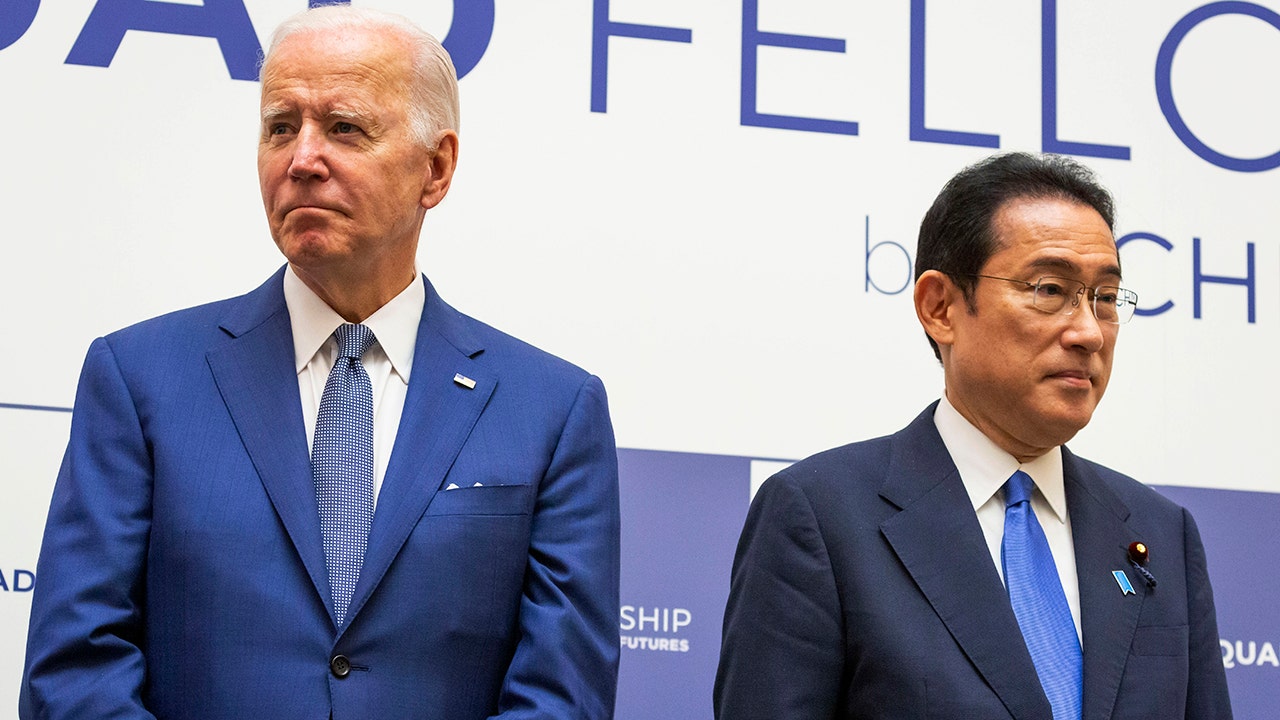
International defense summits often function as diplomatic theaters where rhetorical restraint carries greater systemic weight than explicit confrontation. When high-ranking military officials address multilateral security forums without naming primary strategic adversaries, the omission is rarely accidental. It represents a calculated exercise in strategic ambiguity designed to preserve diplomatic optionality while signaling deterrence boundaries to rival coalitions.
Deconstructing this posture requires examining the underlying mechanics of multilateral defense communication. In modern great power competition, direct naming of principal antagonists forces a binary choice upon smaller regional actors, destabilizing the diplomatic equilibrium necessary for trade and regional stability. By substituting direct state attribution with abstract warnings against external coercion, defense leadership achieves three distinct objectives: maintaining domestic political resolve, managing alliance stability without escalation, and retaining the freedom of maneuver in contested maritime domains.
The economic and logistical cost function of regional security architecture dictates this cautious vocabulary. Supply chain dependencies across the Indo-Pacific region create a high friction threshold for open conflict. When defense chiefs address audiences comprising competing economic partners, inflammatory rhetoric directly impacts capital markets and maritime insurance premiums. Consequently, the discourse shifts from immediate tactical threats to systemic structural warnings.
The first mechanism of this communication strategy involves decoupling deterrence signals from immediate retaliatory commitments. By framing opposition to hegemony through the lens of regional multilateralism rather than bilateral grievances, a state shifts the burden of escalation management onto external actors. If an outside power seeks to test these boundaries, it must first navigate a consensus-driven diplomatic framework that resists unilateral dominance.
The second mechanism relates to alliance management among non-aligned regional middle powers. Many developing nations within strategic maritime corridors prefer economic engagement with multiple superpowers over formal alignment with a single security umbrella. Explicitly calling out specific nations forces these middle powers into uncomfortable diplomatic positioning, risking a fragmentation of regional trade blocs. Vague warnings against coercion allow these states to nod in agreement without alienating major economic trading partners.
Analyzing the broader implications of this defense posture reveals a persistent structural tension between naval expansion and diplomatic signaling. While defense modernization programs continue unabated, the accompanying diplomatic narrative remains deliberately understated. This divergence highlights a core principle of modern deterrence theory: military capability must be advanced visibly, while political intent is communicated with maximum elasticity.
Assessing the trajectory of regional security architecture depends on monitoring the degradation thresholds of this ambiguity. As maritime frictions intensify around disputed geographic chokepoints, the utility of unspecific diplomatic warnings diminishes. When operational friction surpasses the threshold of verbal deterrence, the architecture of strategic ambiguity gives way to explicit alignment frameworks, permanently altering the risk calculus for maritime commerce and regional defense posture.


