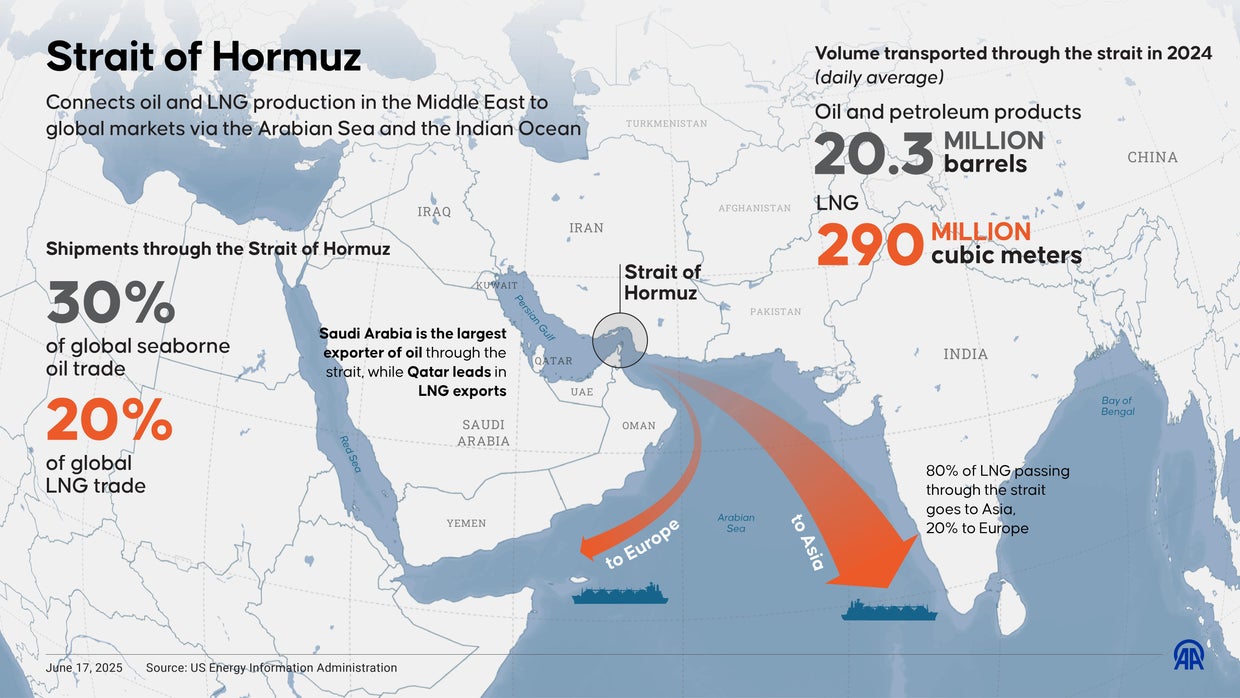
The global energy market is holding its breath while watching a narrow stretch of water that shouldn't be this empty. If you look at the latest tracking data for the Strait of Hormuz, the numbers tell a story that official press releases from the Pentagon try to polish away. Shipping through this vital artery is basically at a standstill for many major commercial players. Despite the United States promising more patrols and increased security "ironclad" commitments, the private sector isn't buying it.
The reality on the water is messy. Ship owners aren't just looking for a friendly destroyer on the horizon; they're looking at insurance premiums that have gone through the roof. When a single trip through the Gulf costs an extra hundred thousand dollars in risk coverage, a promise from a spokesperson in D.C. doesn't mean much for the bottom line. It's a disconnect between military posturing and the cold math of global logistics.
The Gap Between Security Promises and Merchant Reality
The U.S. Navy has been vocal about its presence. They've moved assets into the region and talked up their ability to protect commercial transit. But if you're a captain of a 300-meter VLCC (Very Large Crude Carrier), you're not thinking about geopolitics. You're thinking about the safety of your crew and the massive liability of your cargo.
The current "standstill" isn't because the water is physically blocked. It's because the risk-reward ratio has shifted. Even with a military escort, the threat of drone strikes or fast-attack craft harassment remains high enough that many firms prefer the long way around or simply waiting in safe harbors. It's a vote of no confidence that isn't about the quality of the ships or the sailors, but about the nature of modern asymmetric threats.
Insurance Markets Are the Real Gatekeepers
You can have all the warships you want, but the London insurance market dictates where the oil flows. Marine underwriters have been hiking "War Risk" premiums steadily. These aren't just small increases. We're talking about jumps that make certain routes unprofitable for smaller operators.
- Increased Deductibles: Companies are being forced to take on more of the initial loss themselves.
- Zone Reclassification: Parts of the Gulf are now labeled as high-risk areas where coverage can be revoked with 24-hour notice.
- Crew Bonuses: Sailors are rightfully demanding "danger pay," adding another layer of cost to every transit.
Why the Strait of Hormuz Matters More Than Ever
We often hear that the world is moving away from oil. That's a nice thought, but the energy reality of 2026 says otherwise. About 20% of the world's liquid petroleum passes through this 21-mile wide choke point. It's not just about gasoline for cars; it's about the feedstock for the entire global chemical industry.
When the Strait of Hormuz slows down, the ripple effects hit everything from plastic manufacturing in Europe to heating costs in Northeast Asia. The "standstill" doesn't just mean empty waters; it means a supply chain that's being stretched to its breaking point. If the tankers don't move, the world's economy starts to stutter.
The Iranian Factor in the Current Standoff
Tehran knows exactly how much leverage it has here. They don't need to sink a ship to win. They just need to create enough uncertainty that the insurance companies do the work for them. By conducting "routine exercises" or seizing a stray vessel under the guise of maritime law violations, they keep the risk profile high.
It’s a psychological game. The U.S. responds with more hardware, which Iran then uses as a justification for more "defensive" measures. It’s a loop. And the merchant fleet is caught in the middle. Most shipping companies are deciding that the headache isn't worth the paycheck right now.
Comparing the Current Crisis to Historical Disruptions
We've seen versions of this before, like the Tanker War in the 1980s. But things are different now. Back then, threats were mostly conventional. Today, we're dealing with loitering munitions and sea-surface drones that are incredibly hard to track and intercept.
- 1980s: Major powers used "reflagging" to protect tankers. It worked because the threats were identifiable ships and planes.
- Today: A $2,000 drone can disable a $100 million ship. The math favors the harasser, not the protector.
The U.S. pledge to keep the lanes open sounds great in a briefing room. On a bridge in the middle of the night, it feels a lot less certain. The tech has changed, but the geography remains the same narrow, dangerous corridor.
The Logistics of a Global Pivot
What happens when the tankers stop? We're seeing a massive shift in how oil is moved. Pipelines that bypass the Strait, like the East-West Pipeline in Saudi Arabia or the Habshan–Fujairah pipeline in the UAE, are running at maximum capacity. But they can't handle everything.
The overflow is forcing a rethink of global energy security. Countries like India and China are looking for more overland routes or long-term contracts from the Atlantic basin. This isn't just a temporary hiccup; it's a structural change in how energy moves across the planet. If the Strait stays this volatile, the "standstill" might become the new normal for a large portion of the fleet.
The Problem with Escort Missions
The Navy's plan often involves convoys. It sounds like a solid idea. You group ships together and surround them with firepower. But convoys are slow. They create bottlenecks at either end of the Strait. For a modern logistics chain built on "just-in-time" delivery, a three-day delay for a convoy is a disaster.
Then there's the issue of scope. There are hundreds of vessels in the region at any given time. There simply aren't enough gray hulls to hold every merchant's hand. The U.S. and its allies are trying to cover a massive area with a limited number of assets, and the cracks are showing.
The Economic Fallout of a Quiet Strait
If you're wondering why your energy bills are creeping up despite "stable" global production, this is why. The cost of friction in the Strait of Hormuz is a hidden tax on the global economy. Every day a ship sits idle is a day of lost revenue and increased overhead.
We're seeing smaller shipping firms go under because they can't afford the wait times or the insurance. The market is consolidating around the giants who have the capital to absorb the risk. That’s bad for competition and eventually bad for the consumer.
What You Can Actually Do
If you're involved in logistics or energy, stop waiting for the U.S. Navy to "fix" the situation. It’s not a problem that can be shot away.
- Diversify your routes now: If you're reliant on Gulf crude, look at West African or Brazilian alternatives, even if the base price is higher. The "security premium" in the Middle East makes the math more comparable than you think.
- Audit your insurance: Don't just accept the rate hikes. Look for specialized kidnap and ransom (K&R) or specific war risk riders that might offer better terms than a blanket policy.
- Shorten your supply chain: The less you rely on 12,000-mile journeys through choke points, the safer your business is.
The situation in the Strait isn't going to resolve overnight. Pledges are just words until the insurance rates drop and the tankers start moving at full speed again. Right now, the silence on the water is the loudest thing in the room. Don't ignore it.