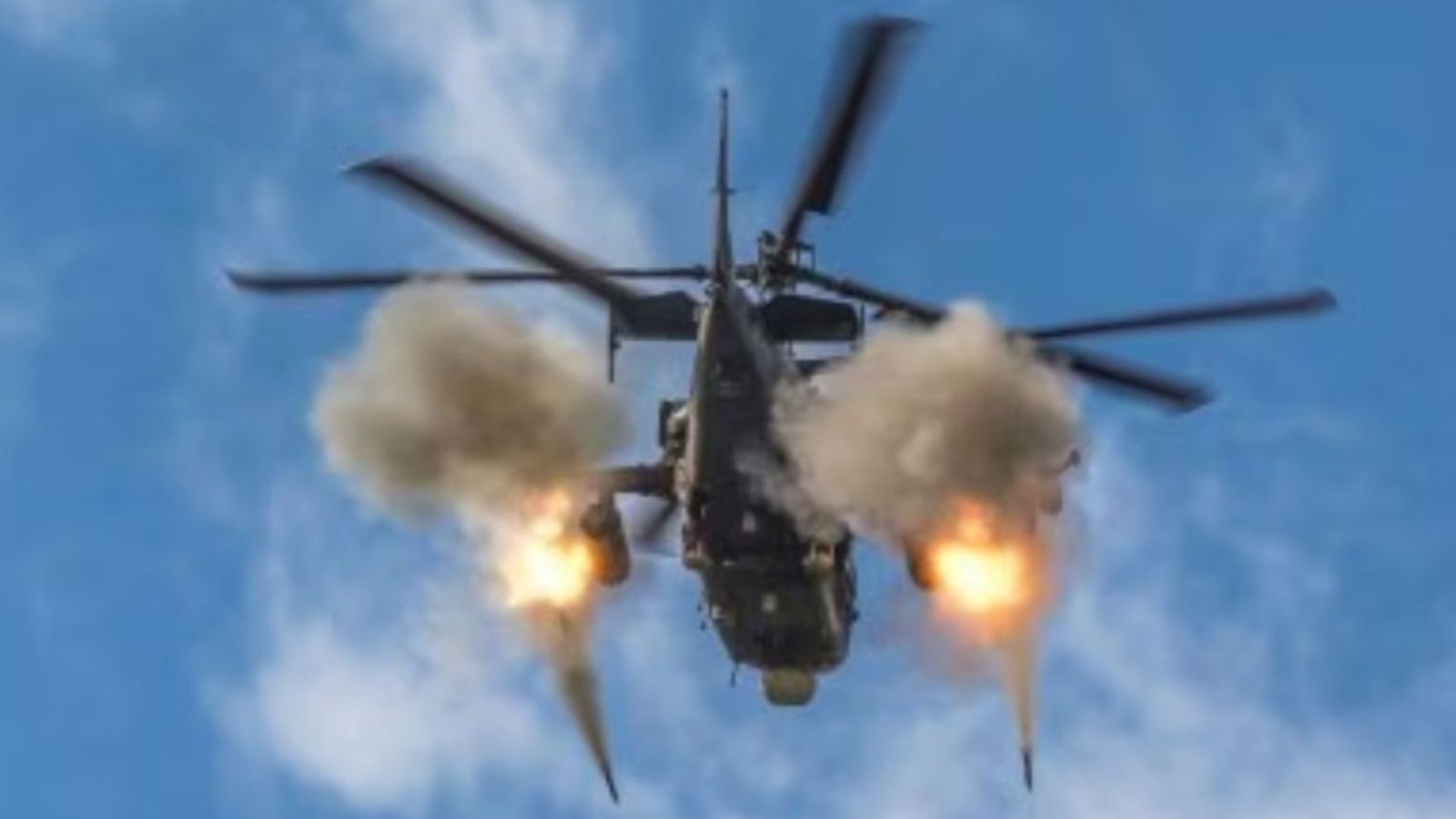
Every six months, the mainstream media discovers the Strait of Hormuz. They wheel out the same tired maps, dust off graphics of burning tankers, and paint a picture of helpless mariners trapped in an apocalyptic crossfire between frantic navies and rogue state actors.
It is lazy, breathless fiction.
If you listen to the headlines, you would think every merchant vessel transiting the Persian Gulf is dodging Exocet missiles while the crew writes frantic letters home. The lazy consensus says the Strait is a chokepoint on the verge of total collapse, a maritime death zone where every sailor is a pawn in a looming geopolitical war.
I have spent years watching shipping conglomerates, risk underwriters, and actual mariners operate in these waters. The reality on the bridge of a Very Large Crude Carrier has nothing to do with the panic in the cable news control rooms. The crews are not trapped victims. They are well-compensated professionals executing highly calculated risk equations while insurance underwriters price out every single variable down to the millimeter.
Stop buying the Hollywood script. The truth about maritime operations in the Persian Gulf is far more cynical, far more mundane, and vastly different than what you are being told.
The Myth Of The Random Crossfire
Let us clear up the core misconception right away. Commercial vessels do not get caught in crossfires by accident. In the modern maritime domain, surprise is largely a myth for commercial tonnage equipped with military-grade tracking, long-range radar, and constant intelligence feeds from naval coalitions.
When a tanker enters the Strait of Hormuz, nobody is guessing.
The United Kingdom Maritime Trade Operations and the US Navy Fifth Fleet provide continuous updates. Private security contractors parse AIS spoofing data in real time. The vessels moving crude out of Ras Tanura or Basra know exactly who is broadcasting on VHF Channel 16 and who is tracking them on surface search radars.
Note: The narrative of innocent ships randomly wandering into an invisible war zone ignores the sheer volume of data available to modern bridge teams. You do not stumble into a naval confrontation; you choose to steam through a known theater with eyes wide open because the economic incentives overwhelmingly outweigh the phantom threat.
The risk is not random violence. The risk is political posturing that occasionally flares up into targeted, highly specific friction. Iran does not fire blindly into commercial traffic. When tankers are boarded or harassed, it is a calculated tit-for-tat response to Western sanctions, tanker seizures in Gibraltar, or economic coercion. It is statecraft via maritime harassment, not a chaotic free-for-all.
If you are a third-officer standing watch on a Liberian-flagged VLCC, you are not worried about a stray missile. You are worried about paperwork, port clearances, and whether the company is going to pay your hazard bonus on time.
Follow The P&I Clubs Not The Pundits
To understand what is actually happening in the Persian Gulf, ignore the defense analysts and look at the only people whose opinions actually matter: Protection and Indemnity clubs and marine hull underwriters.
Insurance is the ultimate bullshit detector.
When risk skyrockets, premiums spike instantly. During periods of heightened tension in Hormuz, additional war risk premiums do tick upward, but they rarely reach levels that halt commercial traffic. Why? Because the actuaries crunching the numbers know that the probability of total hull loss or crew fatality remains statistically minuscule.
I have seen corporate boards panic over a single threatening statement from Tehran, only to watch their chartering desks quietly book three more Suezmax vessels through the Strait forty-eight hours later. The board room operates on emotion and PR fears. The operations desk operates on freight rates and demurrage costs.
Let us look at the financial mechanics. A VLCC charter moving crude from the Arabian Gulf to Asia can pull hundreds of thousands of dollars per day. When margins look like that, corporate risk tolerance expands dramatically. The threat of Iranian Revolutionary Guard Corps fast boats buzzing a bridge wing is factored into the operational cost just like heavy weather or piracy off the Horn of Africa.
It is a line item on a spreadsheet. Nothing more.
The Real Danger Is Complacency Not Missiles
If the external threat is largely theatrical, what actually kills people in the Persian Gulf?
It is not drones. It is fatigue, poor bridge resource management, and complacency.
When crews spend weeks worrying about a high-profile geopolitical conflict that never materializes for them, their mental energy gets misallocated. They fixate on the grey hulls on the horizon while ignoring the basic, unglamorous mechanics of safe navigation in congested waters.
The Strait of Hormuz is one of the busiest maritime bottlenecks on earth. The Traffic Separation Scheme is a congested maritime highway where massive container ships, LNG carriers, and local fishing skiffs cross paths in confined channels.
The real hazard isn't an anti-ship missile. It is a tired second mate misjudging the turning radius of a 300-meter tanker because he spent his off-watch reading speculative news articles about an imminent regional war.
Imagine a scenario where a crew is so hyper-focused on monitoring radar for hostile surface contacts that they miss a local dhow cutting across their bow in the dark. That is how ships ground, collide, and spill fuel. The danger is internal, psychological, and entirely self-inflicted by the panic machine ashore.
Dismantling The "Trapped Sailor" Fallacy
Let us address the human element directly, because this is where the media emotionalizes the narrative most aggressively.
Articles love to paint mariners as modern-day galley slaves trapped in a war zone against their will. This is insulting to the profession.
Seafarers from the Philippines, India, Eastern Europe, and elsewhere working on international flag vessels are highly skilled maritime professionals. They sign contracts with full knowledge of geographic operating areas. Furthermore, hazard pay structures mean that transiting high-risk zones can significantly boost annual earnings. For many, these runs are sought-after assignments.
Are there retention issues in the maritime industry? Absolutely. Crews are overworked, shore leave is increasingly restricted by bureaucratic port authorities, and turnaround times in terminals are punishingly fast.
None of those systemic failures are caused by Iran. They are caused by global supply chain optimization and cheap maritime labor practices that the shipping industry refuses to fix. Blaming the Strait of Hormuz for the plight of the modern mariner is a convenient distraction for shipowners who do not want to address internal labor conditions.
What You Should Do Instead Of Panicking
If you are an investor, a supply chain manager, or just an observer trying to make sense of global energy flows, stop reacting to every flashpoint in the Middle East as if it is the prelude to World War III.
Here is your actual playbook for reading maritime risk:
- Ignore the rhetoric, watch the tonnage: Track actual vessel tracking data rather than state-sponsored press releases. If traffic volume through the TSS drops by fifty percent over a sustained two-week window, then you have a real crisis. If traffic dips for twelve hours after a naval exercise and then snaps right back to baseline, ignore it.
- Audit the insurance data: Follow war risk premium adjustments from major underwriting syndicates in London. They have better intelligence than cable news networks and they have skin in the game.
- Separate supply shocks from political theater: Actual physical blockages of the Strait of Hormuz require a level of military capability and sustained attrition that no regional actor can maintain without catastrophic retaliation. It is a nuclear option for everyone involved, which means it remains permanently shelved.
The Strait of Hormuz is not a burning hellscape where mariners are caught in the crossfire. It is a high-stakes, hyper-regulated commercial superhighway where everyone knows the rules of the game.
The only people truly trapped are the consumers back home, helplessly caught in the crossfire of bad journalism.
Drop the anxiety. Cancel the doomsday subscriptions. The ships are going to keep moving because the math demands it.