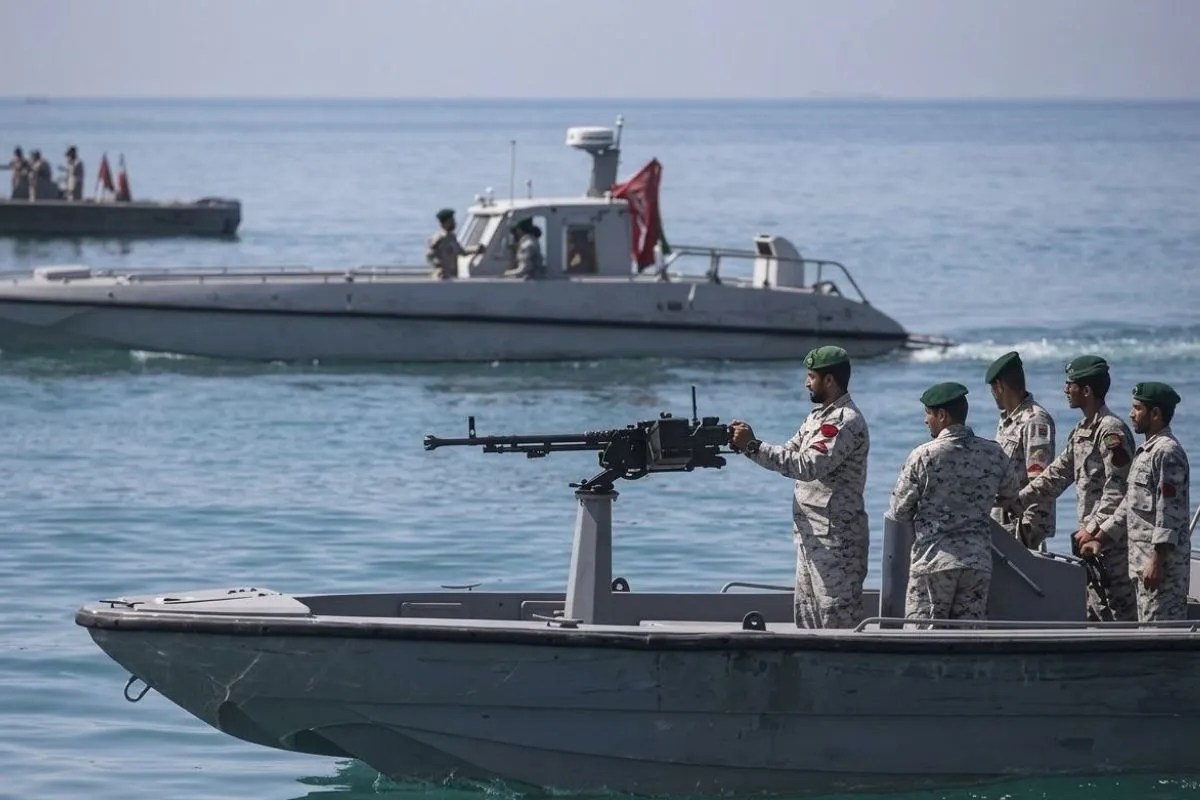
Mainstream geopolitical reporting loves a predictable script. A piece of legislation moves through the Iranian parliament, naval boats shadow a container ship, and suddenly headlines scream about the imminent collapse of global energy supply chains. The collective anxiety machine goes into overdrive, predicting oil at two hundred dollars a barrel and a catastrophic blockade of the Strait of Hormuz.
It is lazy analysis. It repeats a tired consensus that treats every diplomatic temper tantrum like a structural shift in global trade.
The recent panic over Iran’s new parliamentary bill aimed at confronting US presence in the Persian Gulf is the latest example of this breathless commentary. Media outlets are treating a bureaucratic paper tiger as an existential threat to global shipping. Let us break down exactly why this consensus is wrong, why a total blockade of the Strait is a logistical and economic myth, and what the real chess move looks like.
The Blockade Myth Checking the Math on Hormuz
The core argument of the panic-mongers rests on a single statistic: roughly twenty percent of the world’s petroleum passes through the Strait of Hormuz. The assumption is that because Iran sits on the northern coast of this chokepoint, it can simply turn off the global energy tap at will.
I have spent years analyzing energy logistics and supply-chain vulnerabilities. If you look at the actual operational mechanics of the Persian Gulf, the "total blockade" theory falls apart under minor scrutiny.
1. The Geometry of the Strait
The shipping lanes in the Strait of Hormuz are remarkably narrow—two-mile-wide inbound and outbound channels separated by a two-mile buffer zone. However, these lanes lie predominantly within Omani territorial waters, not Iranian waters. Iran can harass shipping, yes. It can deploy fast attack craft and plant mines. But a sustained, physical blockade requires controlling international waters against the combined naval power of the Western world and its regional allies.
2. Economic Self-Destruction
Who suffers most if the Strait closes? Iran. Tehran relies heavily on illicit and semi-legit energy exports to East Asia to keep its heavily sanctioned economy on life support. A total shutdown of the waterway means Iran blocks its own economic oxygen. It is the geopolitical equivalent of holding a gun to your own head and demanding your neighbor hand over their wallet.
3. The Chinese Factor
Mainstream analysts treat the US-Iran dynamic as a vacuum. They forget Beijing. China is the primary buyer of Iranian crude. If Iran executes a move that chokes off the global energy market, skyrockets shipping insurance rates, and destabilizes Chinese industrial manufacturing, Tehran loses its only major superpower patron.
Parliamentary Bills as Financial Theater
When the Iranian parliament introduces a new bill targeting US warships or proposing aggressive maritime restrictions, it is not an operational military order. It is a domestic signaling mechanism and a negotiation tactic.
[Domestic Pressure] -> [Parliamentary Bill] -> [Media Panic] -> [Oil Price Spike] -> [Tehran's Leverage]
The Iranian political structure separates legislative theater from actual strategic execution. The Islamic Revolutionary Guard Corps (IRGC) Navy does not wait for a parliamentary committee to vote before it alters its posture in the Gulf. These bills are designed to do two things:
- Satisfy Hardline Domestic Factions: Giving the internal base the illusion of aggressive retaliation without committing the regular military to an asymmetric war it cannot win.
- Manipulate the Risk Premium: By generating aggressive headlines, Iran artificially inflates the geopolitical risk premium on crude oil. For a state selling oil under heavy discounts, a sudden five-dollar bump in global benchmarks translates directly into millions of dollars in extra revenue.
The Real Vulnerability is Not What You Think
If a full-scale blockade is a phantom menace, what should we actually be watching? The danger is not a sudden, dramatic closing of the gates. It is a slow, grinding war of attrition via insurance premiums.
When maritime security risks rise, Lloyd’s Joint War Committee adjusts its hull war risk areas. Insurance underwriters raise premiums for any vessel entering the Persian Gulf.
| Metric | Normal Conditions | Heightened Geopolitical Friction |
|---|---|---|
| War Risk Premium | Minimal baseline | Can spike up to 1% of vessel value per voyage |
| Shipping Route | Standard lanes | Deviations, increased transit times |
| Freight Rates | Stable market-driven | Significant spikes due to vessel scarcity |
This is where the real economic damage occurs. A company shipping crude does not stop because the Strait is closed; they stop because it becomes financially non-viable to insure the hull of a three-hundred-million-dollar Supertanker. Iran understands this asymmetry perfectly. They do not need to sink a fleet. They just need to keep the threat level high enough to make Western shipping prohibitively expensive.
Dismantling the Standard Prepper Advice for Energy Markets
Every time tensions rise in Hormuz, traditional financial advisors give the same generic advice: buy big oil stocks, go long on crude futures, and brace for an inflation shock.
That advice is outdated. It fails to account for the massive structural shifts in global energy supply over the last decade.
First, the United States is no longer the energy-dependent nation it was during the tanker wars of the 1980s. The massive expansion of domestic shale production provides a massive buffer against Middle Eastern supply disruptions.
Second, regional adversaries have spent decades building alternatives. Saudi Arabia’s East-West Pipeline can divert millions of barrels per day directly to the Red Sea, bypassing Hormuz entirely. The United Arab Emirates operates the Habshan–Fujairah pipeline, moving crude directly to the Gulf of Oman.
Stop treating the Persian Gulf like the sole artery of civilization. It is a critical node, but the network has built-in redundancies that the panic-mongers consistently ignore.
The Strategy Going Forward
If you are managing supply chain risk or trading energy assets, ignore the parliamentary theater in Tehran. Watch the insurance markets in London. Watch the dry-bulk freight indices. Watch the volume of oil flowing through the alternative Saudi and Emirati pipelines.
The consensus wants you to believe we are one vote away from a global economic collapse in the Middle East. The data shows an isolated regime using the media to leverage better terms at a negotiation table they desperately need to sit at.
The next time a headline tells you the Strait of Hormuz is closing, check the price of shipping insurance. If London isn't panicking, neither should you.

