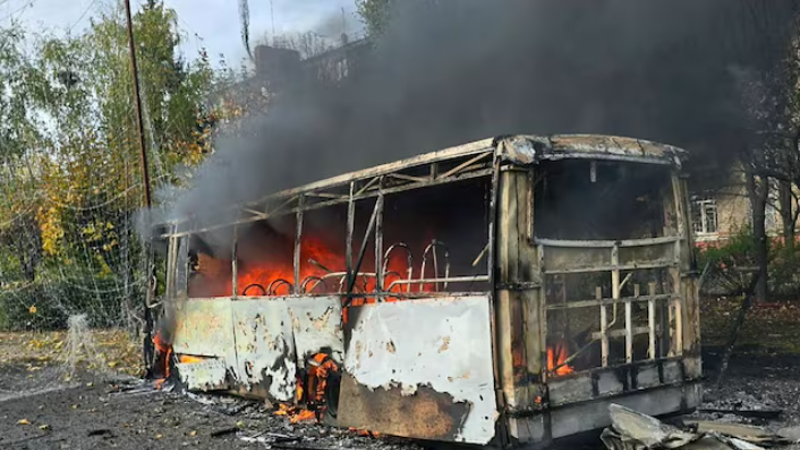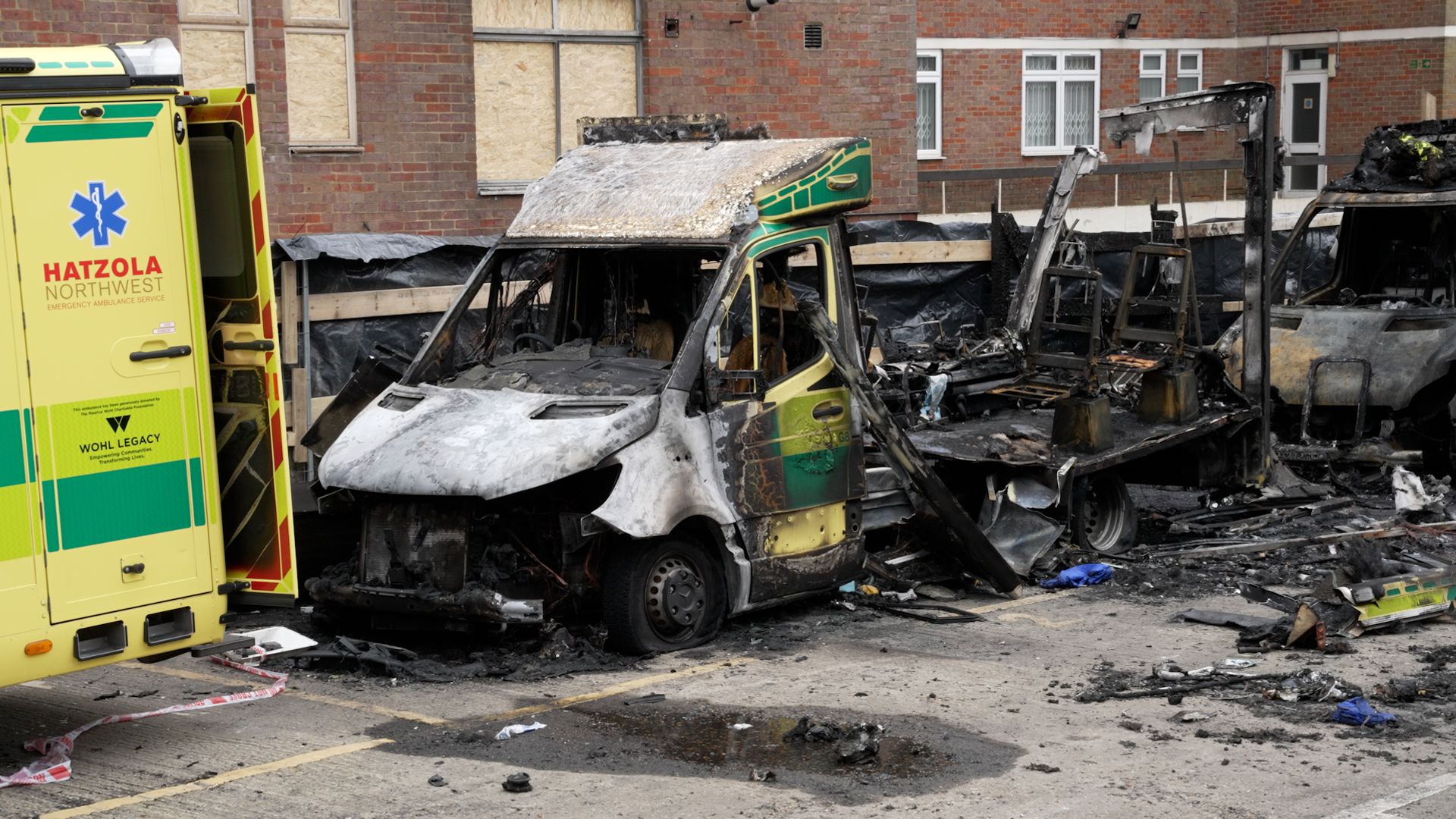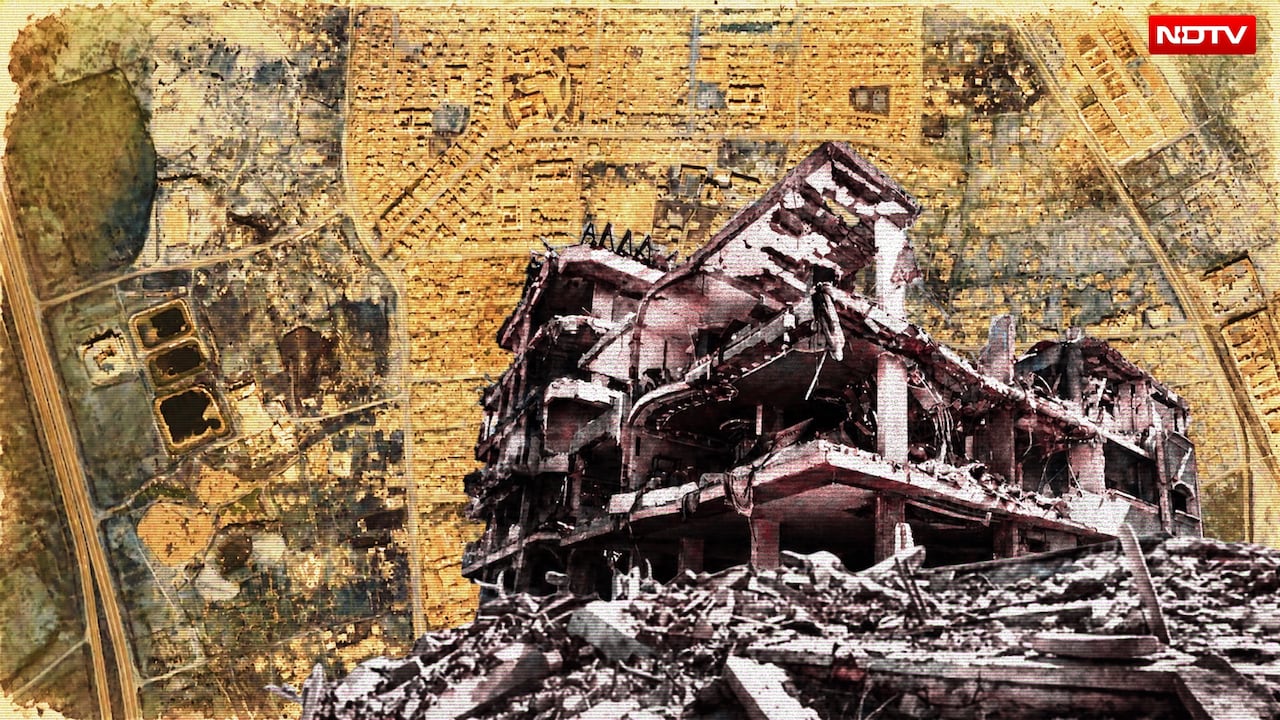
The headlines flash across screens and disappear within hours, leaving behind a quiet devastation that numbers alone can never capture. When people talk about Gaza today, they usually talk about borders, blockades, and political stalemate. They talk about logistics and military operations. What gets lost in the noise is the human reality of absolute separation. Families divided by checkpoints, parents separated from children during medical evacuations, and entire communities scattered across a fractured landscape.
People are searching for answers because the official coverage feels hollow. They want to know what happens to the human connections underneath the rubble. This article cuts past the sanitized reports to look at the real separation stories coming out of Gaza, why the sense of abandonment runs so deep, and what this means for anyone trying to understand the human cost of modern conflict.
The Architecture
Why The Isolation of Gaza Is The Greatest Moral Failure of Our Time
news
The world loves to watch humanitarian crises through a screen. We swipe past rubble, broken families, and closed borders as if scrolling through a fictional drama. But for the people trapped inside Gaza, isolation isn't just a physical barrier. It's a psychological weapon. When millions of human beings find themselves completely cut off from the outside world, dealing with endless loss, separation, and destruction, the feeling of abandonment runs deeper than physical hunger or lack of medicine. It tells you that your life doesn't register on the global scale.
Let's cut through the geopolitical rhetoric and look at the actual human cost. Separation isn't just about blocked aid trucks. It's about a mother unable to check on her children stranded across a border. It's about medical emergencies trapped because crossing points remain shut indefinitely. Families are splintered across continents, unable to mourn together, speak freely, or find basic safety.
The Anatomy of Total Separation
Isolation breeds despair. When borders shut tight, the flow of people stops entirely. Students miss scholarships, patients miss life-saving treatments, and loved ones get severed by bureaucratic walls and military cordons.
You hear numbers tossed around constantly in news briefings. Two million people. Thousands of tons of aid. Hundreds of casualties. But statistics act as a shield against empathy. They let you distance yourself from the reality that every single digit represents a person with a history, a family, a job, and a future that just got erased.
Consider the sheer weight of bureaucratic impossibility. Getting permission to leave or bring in vital supplies involves navigating a maze designed to stall or fail. Bureaucracy becomes a weapon of attrition. Months turn into years of waiting in limbo. You're left asking yourself a brutal question: Does anyone out there even remember we exist?
Why Global Indifference Hurts Most
Physical destruction makes headlines. Buildings crumble into dust, infrastructure collapses, and power grids fail. Those images shock the conscience, at least temporarily. But emotional abandonment lasts much longer.
When international bodies issue endless statements of deep concern while changing nothing on the ground, cynicism sets in. People in blockaded zones don't need another rhetorical expression of sympathy. They need structural change, open corridors, and basic recognition of their fundamental rights.
Look at how the narrative gets shaped. Victims often have to prove their innocence just to qualify for basic human empathy. If you're trapped in a conflict zone, you shouldn't have to pass a political purity test to deserve medical care or safety. The selective outrage of the international community exposes a broken global system where some lives clearly matter more than others.
Breaking the Cycle of Silence
Ignoring a humanitarian crisis doesn't make it go away. It just festers. If you want to understand why polarization and anger define modern geopolitics, look right here. When people are pushed into a corner with zero options, zero mobility, and zero hope for a diplomatic breakthrough, extremism thrives in the vacuum left by international apathy.
You have to look past the sanitized language of international relations. Call it what it is: a systemic failure of global solidarity.
To break this cycle, the conversation needs to shift away from managing crises to dismantling the root causes. Open the borders permanently. Stop treating human movement as a security threat. Allow independent journalists and medical teams unrestricted access without vetting or censorship. Hold institutions accountable when they fail to enforce international law.
Until the world decides that every human life holds equal weight, tales of loss and separation from Gaza will keep repeating. And the shame of our collective silence will stay right here with us.