Every natural disaster produces the same exhausting media cycle. A bridge washes out, a valley turns into a churning brown lake, and families huddle on roofs waiting for the inevitable chopper. Then comes the human interest angle. Someone’s phone rings. A voice cuts through the static. A son thousands of miles away hears that his mother made it to high ground just as the wall of water took the kitchen table.
The headlines write themselves. Divine intervention. A miracle against all odds. Tears on morning television.
It makes for compelling television, but it is a dangerous narcotic. When we frame survival as a lottery won by divine favor or sheer luck, we excuse the engineers, the municipal planners, and the politicians who turned a predictable seasonal weather event into a mortal gamble.
I have spent twenty years tracking infrastructure resilience across fragile river basins and developing highlands, and I am entirely over the myth of the miraculous survival story. Every time we celebrate a single phone call that beat the odds, we distract ourselves from the systemic failures that made the phone call necessary in the first place.
The Comforting Lie of the Freak Accident
The lazy consensus in modern disaster reporting treats flash floods like lightning strikes. The standard narrative suggests that nature simply lost its temper, hurled a localized catastrophe at an innocent zip code, and left communities scrambling against an unpredictable wrath.
This is garbage.
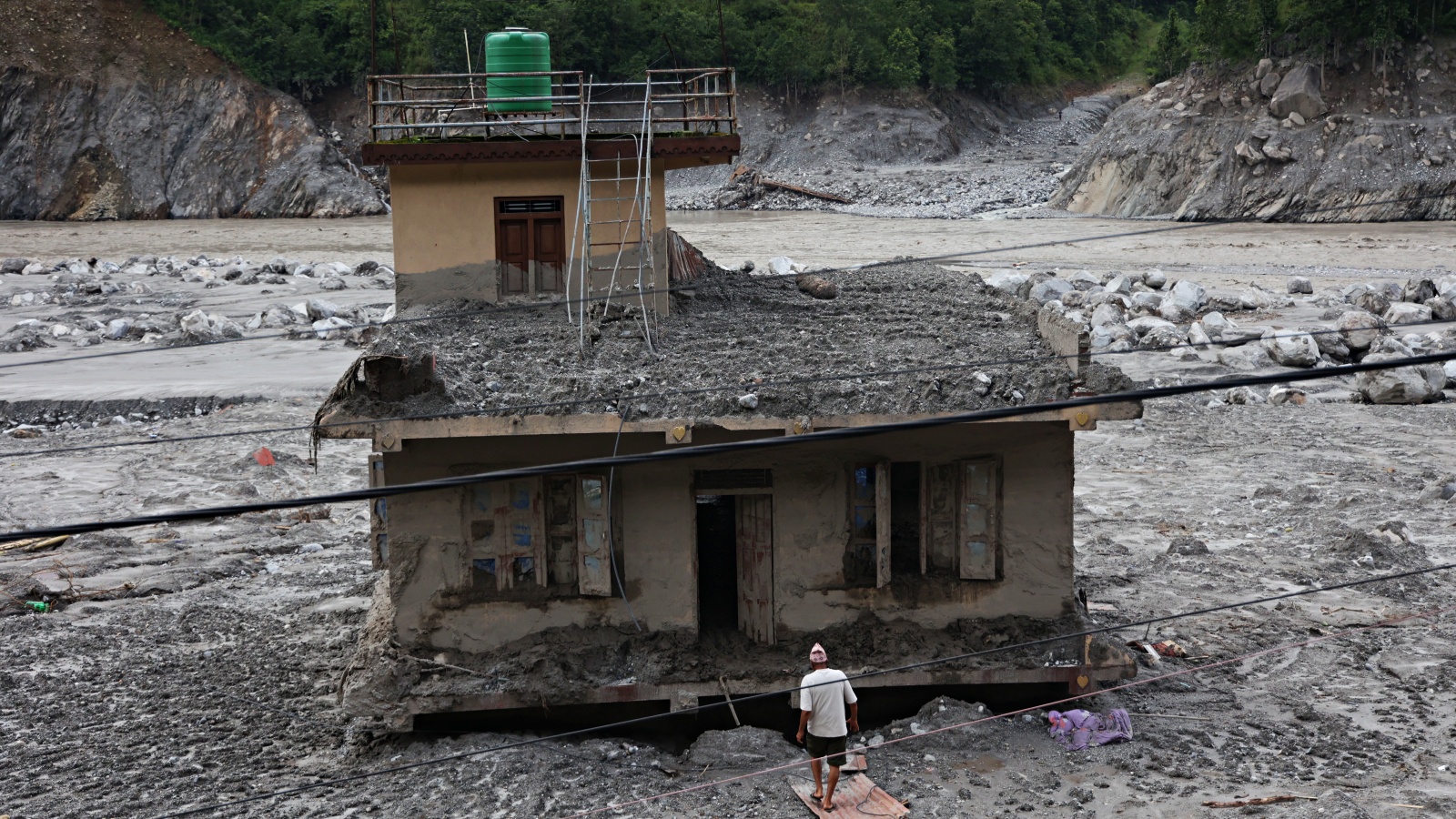
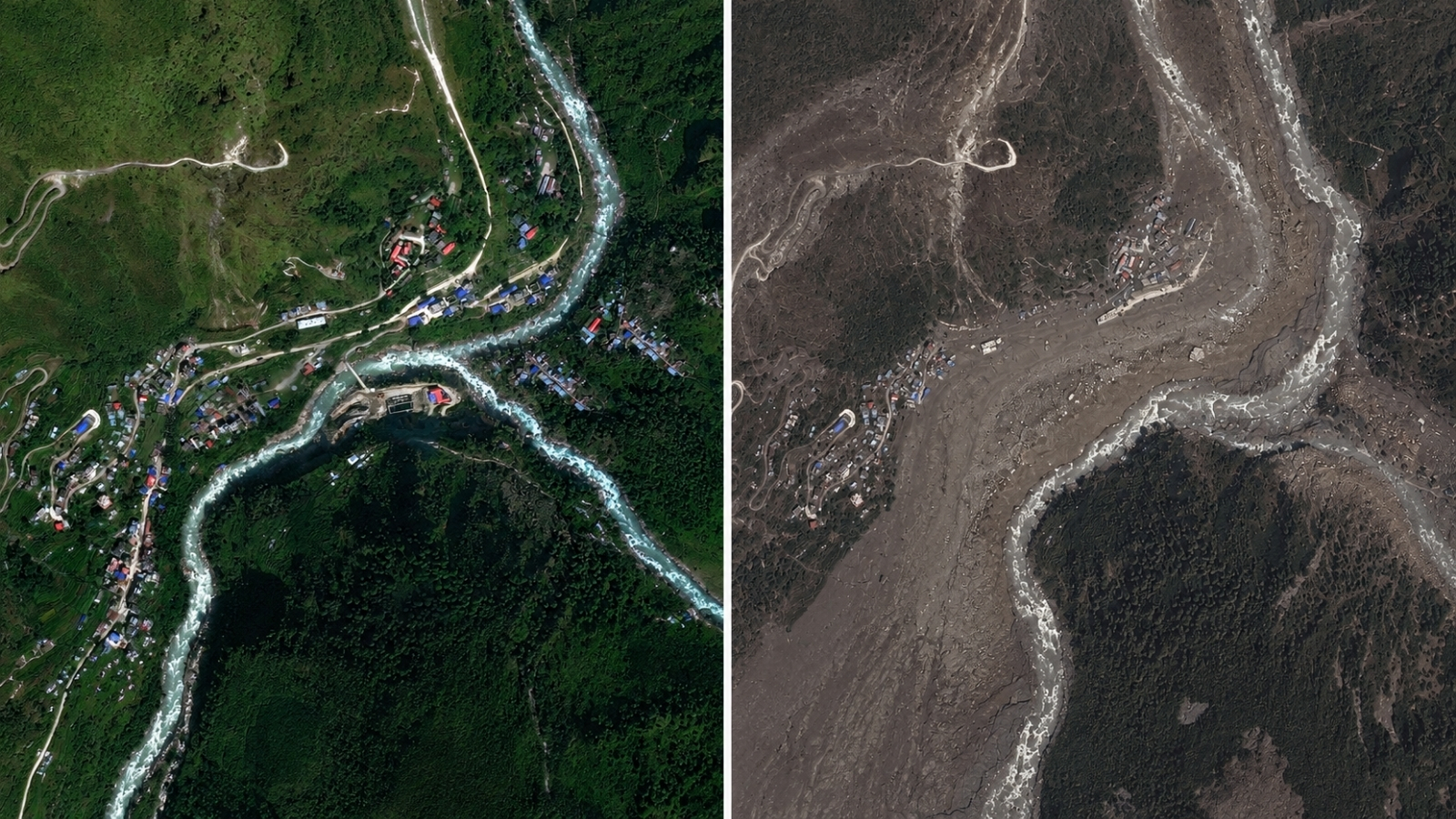
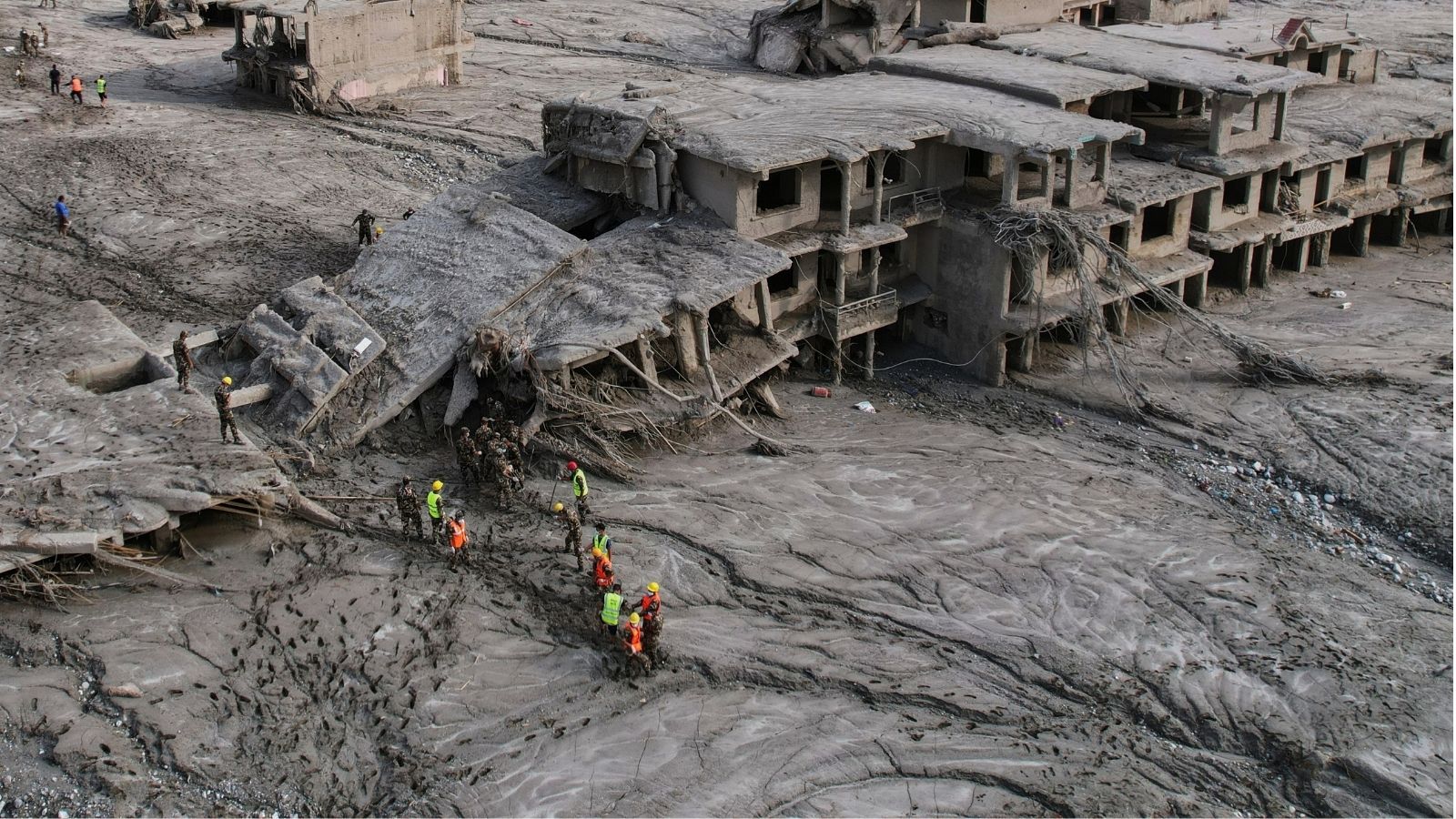
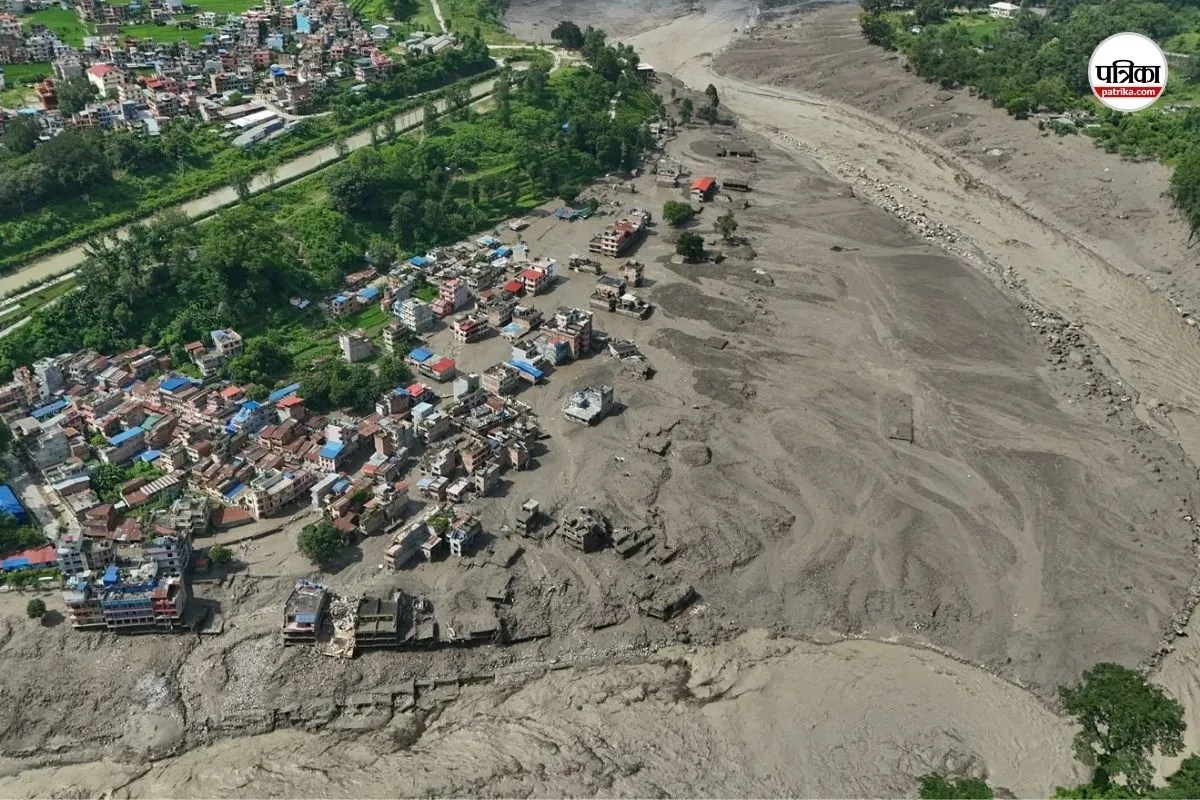
The Nepal floods that trap tourists and sweep away generational homes are not anomalies. They are the entirely predictable mathematical intersection of deforested hillsides, unregulated roadside construction, erratic monsoon shifts, and zero real-time warning telemetry. When concrete is poured directly into natural drainage paths and hillside roads cut into saturated earth without proper retaining walls, you do not have a natural disaster. You have a man-made hydraulic trap.
When a survivor tells reporters that a specific phone call saved them, they are describing a localized tactical miracle within a strategic catastrophe. But celebrating the miracle lets the architects of the catastrophe off the hook. It is far easier to run a human-interest segment on a miraculous reunion than to audit why civil engineers approved a bridge design meant for a 1950s water volume in a 2026 climate reality.
We love the narrative of individual grit because it requires nothing from us. It asks no tax dollars, demands no zoning law enforcement, and forces no hard conversations about municipal corruption. We get to feel the emotional catharsis of the rescue without paying the price of prevention.
Why Resilient Tech Fails Without Political Will
Let us talk about the hardware for a moment. Every tech company with an emergency alert app or a satellite messenger loves to sponsor survival stories. They want you to buy their ruggedized pucks or subscribe to emergency notification services, implying that personal gadgetry is the ultimate shield against climate chaos.
Imagine a scenario where every single villager in a Himalayan river valley owns a high-end satellite communicator. Sounds great, right? Connectivity restored. Information flowing.
Except connectivity does not stop cubic tons of mud from moving downhill at forty miles an hour.
A text message saying the river is rising does nothing if the evacuation path leads across a poorly engineered footbridge that collapses under the first wave of debris. Technology without structural integrity is just an expensive way to watch yourself drown in high definition. We have confused information access with physical protection.
The vendors pushing these consumer-grade emergency tools know this. They profit from the anxiety of families separated by oceans, terrified that a missed call means a permanent goodbye. They sell peace of mind in a subscription box while local governments neglect the unsexy, capital-intensive work of dredging riverbeds, reinforcing embankments, and enforcing land-use bans in flood zones.
The Brutal Math of Modern Travel
If you are traveling through regions prone to extreme seasonal weather, the industry consensus tells you to keep your phone charged, check the local weather app, and register with your embassy.
That advice is functionally useless.
Commercial weather apps are built for tourists deciding whether to pack an umbrella in London. They are entirely blind to micro-topography in mountain gorges and river basins. They rely on macro-level radar that cannot see a localized landslide thirty minutes before it rips down a ravine.
Here is what you actually do if you want to survive modern tourism in a volatile world.
First, treat local topography with absolute suspicion. If a hotel, lodge, or cafe is built directly on a narrow riverbank or at the immediate mouth of a steep mountain gully, you are sitting in a hydraulic funnel. Move to higher ground before the storm starts, not when the water is already lapping at the porch steps.
Second, stop trusting official evacuation timelines. Bureaucracies move at the speed of paperwork; flash floods move at the speed of gravity. By the time an official evacuation order is broadcasted, local access roads are usually already blocked by premature slides or gridlocked traffic.
Third, recognize that your phone is not a lifeline; it is a distraction. The frantic calls home during a crisis often consume battery power and mental bandwidth needed for immediate physical escape. The most dangerous thing you can do when the water rises is spend precious seconds trying to explain your emotional state to someone sitting in a quiet living room half a world away.
The Cost of Our Emotional Addiction
We keep treating climate disasters as emotional dramas rather than engineering failures because we are addicted to the narrative arc of peril and salvation.
Every viral story about a miraculous rescue reinforces the idea that nature is an unpredictable enemy that occasionally grants mercy. That is a comforting worldview because it absolves us of responsibility. If nature is an omnipotent force beyond our control, we don't have to change how we build cities, how we manage watersheds, or how we fund public infrastructure.
We can just keep building in flood plains, ignoring environmental audits, cutting corners on concrete reinforcement, and waiting for the next phone call to remind us how lucky we were.
The son who hears his mother’s voice after a disaster has every right to weep with relief. But the rest of us need to stop watching the tears and start looking at the blueprints. Until we stop confusing individual miracles with systemic competence, the water is going to keep coming back, and next time, the phone isn't going to ring.