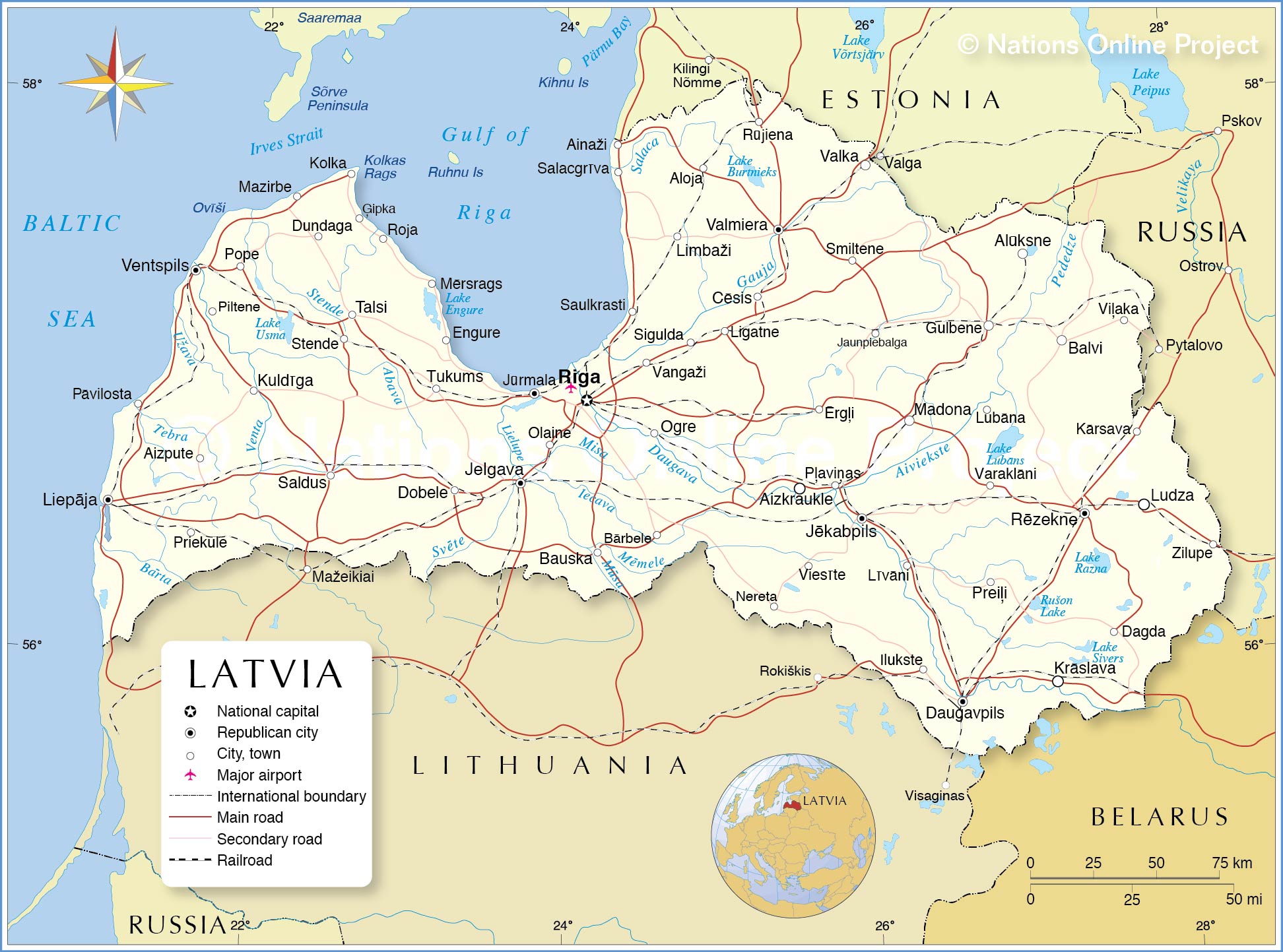
The media consensus surrounding Riga Castle right now is as predictable as it is lazy. Mainstream commentators look at Andris Kulbergs scrambling to assemble a four-party coalition by his Monday deadline, and they see a frantic, high-stakes battle for national survival. They treat the collapse of Evika Siliņa’s government—triggered by stray Ukrainian drones detonating at a Rēzekne oil facility—as an existential geopolitical emergency that can only be cured by rushing a makeshift cabinet onto the Saeima floor for a quick vote.
This view is totally wrong.
Stitching together a fractured, ideologically incompatible four-party block just five months before a scheduled general election isn't an act of political salvation. It is a masterclass in macroeconomic futility. Having spent years advising institutional investors on Baltic sovereign risk and watching previous coalitions burn through millions in mismanaged infrastructure capital, I can tell you that Latvia does not need another fragile, rushed government of action.
What Latvia needs is to lean into its caretaker status and stop pretending that a five-month political band-aid can fix structural defense vulnerabilities or repair the deep systemic rot of the Rail Baltica project.
The Myth of the Urgent Coalition
The mainstream narrative argues that leaving Latvia under a caretaker administration until October is a massive security vulnerability. President Edgars Rinkēvičs pushed this exact line, claiming that the country cannot afford an administration that merely minds the shop while the Baltic region faces severe regional instability.
Let's look at the actual mechanics of governance. A government cobbled together in less than ten days by an association leader who openly boasts that formal party membership shouldn't even be required to hold high office is structurally incapable of passing major strategic reforms. Kulbergs is trying to force the United List, the National Alliance, the Union of Greens and Farmers, and New Unity into the same room. These parties disagree on fundamental fiscal policies, regional development plans, and economic management.
Imagine a corporate scenario where a company fires its CEO over a supply chain disaster, and the board insists on installing a highly volatile, fractured, four-headed interim management team for twenty weeks instead of letting the remaining operations managers keep the lights on until the annual shareholder meeting. It is a recipe for internal warfare. The resulting administration will not be a coalition of action. It will be a theater of campaign positioning, where every single ministry is used as a taxpayer-funded megaphone to score points for the upcoming October elections.
The Security Paradox: Moving Backwards on Defense
The panic that brought down Siliņa's cabinet was driven by the resignation of Defense Minister Andris Sprūds following the Rēzekne drone incidents. The lazy assumption among local analysts is that a newly confirmed cabinet will immediately secure the airspace and project hardline stability to NATO allies.
The exact opposite is true. Pushing through a vote this week means the defense apparatus enters a state of total upheaval exactly when it requires absolute operational focus. Consider the current rumors that former Prime Minister Siliņa might return as the new Defense Minister. Swapping out leadership positions like pieces on a chessboard does nothing to alter structural reality:
| Metric / Attribute | Caretaker Administration | Rushed Four-Party Coalition |
|---|---|---|
| Operational Continuity | High (Bureaucracy executes existing budgets) | Low (New ministerial teams restructure staff) |
| Strategic Focus | Neutral (Sticks to predetermined NATO targets) | Polarized (Used for election grandstanding) |
| Fiscal Discipline | High (Bound by strict statutory limitations) | Low (Prone to pork-barrel campaign spending) |
| Policy Horizon | Short-term management | Short-term disruption |
A caretaker government cannot launch radical new initiatives, but it also cannot derail existing, fully funded defense procurement programs. Money has already been allocated for border barriers with Russia and Belarus. The military leadership knows exactly what its parameters are. Forcing a political reshuffle now simply distracts top-tier military officials, requiring them to brief a brand-new cabinet team that will likely be out of a job before the winter snow hits the Baltic coast.
The Real Crisis: Rail Baltica and Fiscal Disarray
The media loves the drama of drone incursions, but they completely ignore the deeper financial catastrophe that Kulbergs built his entire political reputation investigating. As the head of the parliamentary commission looking into the massive cost overruns of the Rail Baltica project, Kulbergs knows firsthand that the country's infrastructure financing is in shambles.
The project is billions over budget. The state finances are strained to the absolute limit. Yet, the current political scramble presumes that a brand-new, multi-party coalition can miraculously solve the budget crisis in June.
This is basic mathematical delusion. When you bring four distinct political factions together right before an election, fiscal responsibility goes completely out the window. Every party demands financial concessions to satisfy its specific voter base. The Union of Greens and Farmers will want agricultural protections, the National Alliance will demand cultural subsidies, and United List will push for immediate regional infrastructure spending.
If you want to protect the state budget from total depletion, the smartest move is to keep the caretaker government in place. Caretaker cabinets are legally restricted from passing major new spending bills or altering long-term fiscal frameworks. They are the ultimate institutional circuit breakers. Leaving Siliņa in a caretaker role for five months effectively locks down the state treasury, keeping desperate politicians from raiding public funds to finance their re-election campaigns.
Dismantling the Premium on Political Stability
When evaluating Baltic sovereign bonds or corporate operating environments, institutional capital does not care about the optics of a unified parliament. It cares about regulatory predictability.
"Stable bad policy is often preferable to erratic good policy because predictability allows organizations to calculate risk accurately."
A rushed, fragile government that passes a vote this week will look stable for exactly fourteen days. Then, the cracks will begin to show. A single contentious vote on regional taxation or anti-corruption enforcement will threaten to tear the alliance apart, creating a weekly cycle of collapse rumors. That constant volatility is far more damaging to international market confidence than a clearly defined five-month caretaker period.
Stop treating the lack of a formal cabinet as an existential failure. Treat it as a necessary pause. Let the civil servants manage the ministries, let the military manage the borders, and let the politicians spend the next five months arguing on the campaign trail instead of doing it inside the cabinet room at taxpayer expense.
Force the political class to present actual, costed mandates to the electorate in October rather than allowing them to use a rushed, unstable coalition to hide their policy shortcomings.
The path forward for Latvia isn't a hasty vote of confidence this week. It is the immediate suspension of coalition negotiations. Let the clock run out.