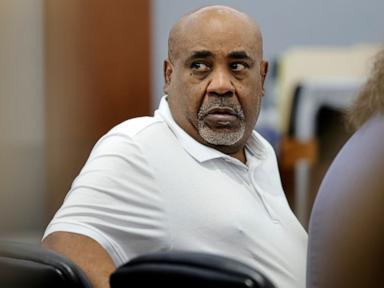
Another courtroom. Another set of dusty archives. Another media circus pretending that locking up an aging figure decades after the fact somehow resurrects a cultural icon or fixes a broken system. The media treats the ongoing legal machinations around the death of Tupac Shakur as a delayed victory for truth.
They are wrong. They are comforting themselves with procedural theater because facing the actual structural failures of the 1990s music industry is too uncomfortable.
We love closure. We crave the neat little bow on a thirty-year-old tragedy. The lazy consensus is simple: find the last man standing, pin the blame on an aging gang leader, secure a conviction, and call it accountability.
That is not justice. That is archaeology.
I spent years watching high-profile cases crumble under the weight of public spectacle versus actual evidentiary reality. When a trial relies on jailhouse informants, decades-old memories, and street legends retold as gospel, you are not chasing truth. You are buying a ticket to a historical reenactment.
The Myth of the Smoking Gun
Let us strip away the romanticism. The narrative pushed by mainstream outlets suggests that a single mastermind pulled the strings, orchestrating a fatal collision in Las Vegas because of a casino brawl hours earlier. It paints a neat picture of cause and effect.
Real life does not work with screenwriters' logic.
The environment that swallowed Tupac Shakur was not a comic book villain's lair. It was a multi-billion-dollar corporate machine fueled by manufactured antagonism, negligent security, and a relentless appetite for sensationalism. Record executives watched the East Coast versus West Coast feud escalate from studio posturing to lethal reality. They did not put a stop to it. They monetized it.
When you focus entirely on who pulled the trigger or who gave the order thirty years ago, you give every corporate board member, label head, and security contractor from that era a free pass. You reduce a complex systemic failure of the entertainment business into a simple police blotter story.
"We are not watching a reckoning. We are watching a distraction designed to make us feel like institutions still work."
Why the Prosecution Narrative Collapses Under Scrutiny
Examine the actual mechanics of this case. We are relying on testimony born from survival, deals, and decades of street mythology. Memories warp. Incentives shift. When someone facing life imprisonment offers up stories about events that happened in 1996, your skeptic alarm should deafen you.
Yet, commentators swallow it whole. Why? Because admitting that the true architects of that era's violence operated in boardrooms wearing tailored suits is too disruptive. It requires questioning the very foundations of the hip-hop industrial complex during its most profitable decade.
If you want to understand why Tupac died, look at the total abdication of security protocols in Las Vegas that September night. Look at the refusal of promoters and labels to de-escalate tensions because the beef was driving record sales. Look at a culture that treated young Black men as disposable units of economic output.
Fixating on a street-level trial ignores every single one of those systemic failures.
The Danger of Retroactive Justice
There is a profound flaw in seeking retrospective legal victories for historic cultural tragedies. It creates an illusion of progress.
Every hour spent dissecting testimony from decades-old gang politics is an hour stolen from addressing the exploitation happening right now. The modern music industry has simply outsourced its cruelty. Instead of physical violence fueled by corporate negligence, today we see digital burnout, predatory streaming contracts, and algorithmic exploitation that grinds young artists into dust before they turn twenty-five.
We love the Tupac trial because it lets us point backward. Looking forward requires fixing a broken model that still views artists as collateral damage.
Stop treating this trial like a moral compass. It is a historical footnote wrapped in a media event.
The real tragedy isn't that justice was delayed. It is that we are still falling for the oldest trick in the book: watching the right hand point at a scapegoat while the left hand counts the streaming revenue.