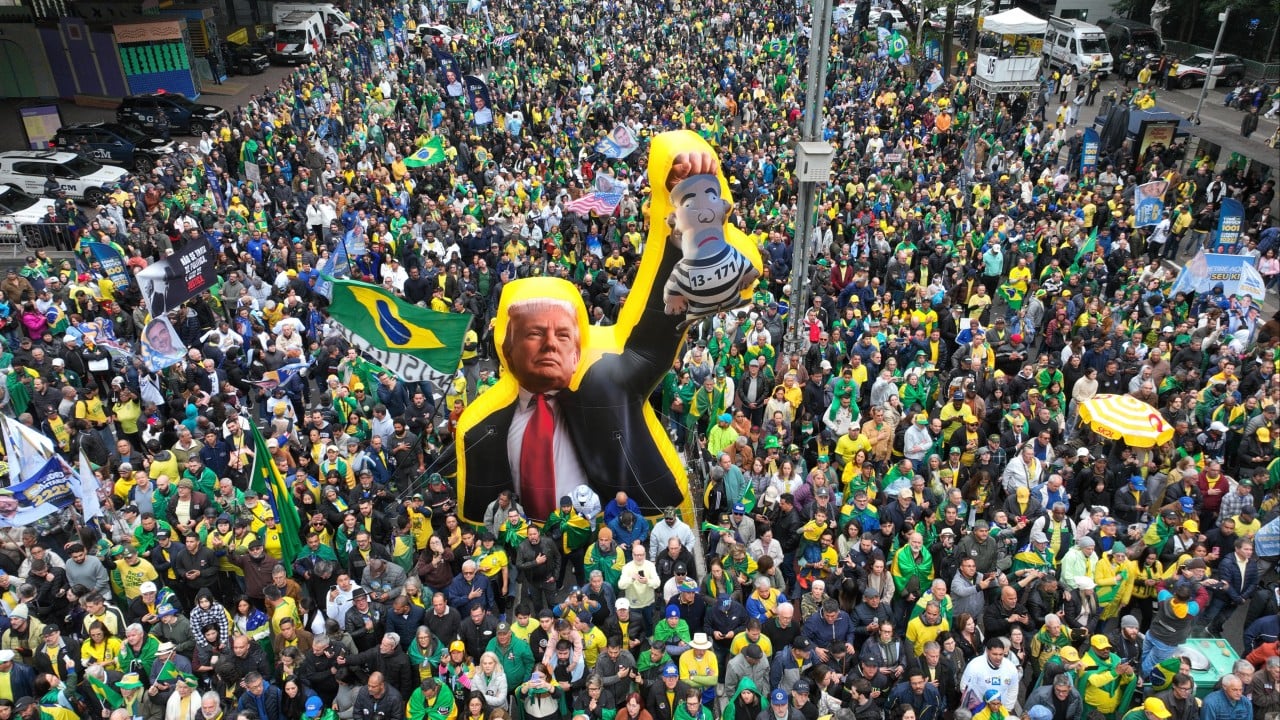
International pundits love a clean narrative. They want elections to act as moral bookends, closing chapters on populist movements with theatrical finality. When Luiz Inácio Lula da Silva secured his historic fourth term, defeating senator Flávio Bolsonaro in the runoff, global headlines rushed to write an obituary for the Brazilian right.
The lazy consensus claims that the rejection of the Bolsonaro family's presidential bid signals the collapse of the movement. It is a comforting fantasy for institutionalists who mistake a single electoral defeat for ideological eradication.
Look closer at the machinery. The right did not lose Brazil; it decentralized.
To understand why the conventional analysis is fundamentally broken, you have to abandon the obsession with presidential pageantry. Brazilian politics has never functioned as a simple duel between left and right messiahs. It operates as a chaotic, hyper-fragmented ecosystem of regional fiefdoms, ideological franchises, and deep-seated legislative calculation.
While political analysts fixated on the top of the ticket, the broader legislative outcome told a completely different story. The conservative presence in Congress expanded, cementing a formidable right-wing block that will fiercely constrain Lula's administration. Members of the broader Bolsonaro family orbit secured legislative seats across multiple states. The surname remains a potent electoral brand, functioning less like a traditional political dynasty and more like a franchise model that bypasses institutional gatekeepers.
The fatal flaw in mainstream commentary is assuming that anti-PT sentiment—commonly known as antipetismo—vanishes when a single candidate falls short. This hostility toward Lula's Workers' Party is not a temporary glitch in the matrix. It is a structural pillar of modern Brazilian identity. Millions of voters do not necessarily require a charismatic patriarch on the ballot to reject what they view as state overreach and institutional decay. They have weaponized the ballot box to build a permanent opposition in the legislature.
When a movement institutionalizes itself across municipal councils, state governorships, and congressional committees, declaring it dead because it lost the executive office is an exercise in profound political illiteracy.
Consider the mechanics of how modern right-wing movements actually survive pressure. Traditional parties rely on top-down hierarchy. Modern populist franchises rely on distributed networks of social media creators, localized evangelical networks, and anti-establishment grievance. Cutting off the head of the snake does nothing when the body has already learned how to regenerate through decentralized digital channels.
Lula's victory is real, but it is pyrrhic in a legislature dominated by hostile conservative forces. Governing a fractured nation with an emboldened opposition means every single policy initiative will turn into trench warfare. The administration will spend its political capital merely surviving legislative gridlock rather than enacting transformative structural change.
Stop looking for tidy endings where history refuses to provide them. The Brazilian right is not retreating into obscurity; it is professionalizing, fracturing into scalable local units, and preparing for the next cycle. The game hasn't ended. It just changed shape.