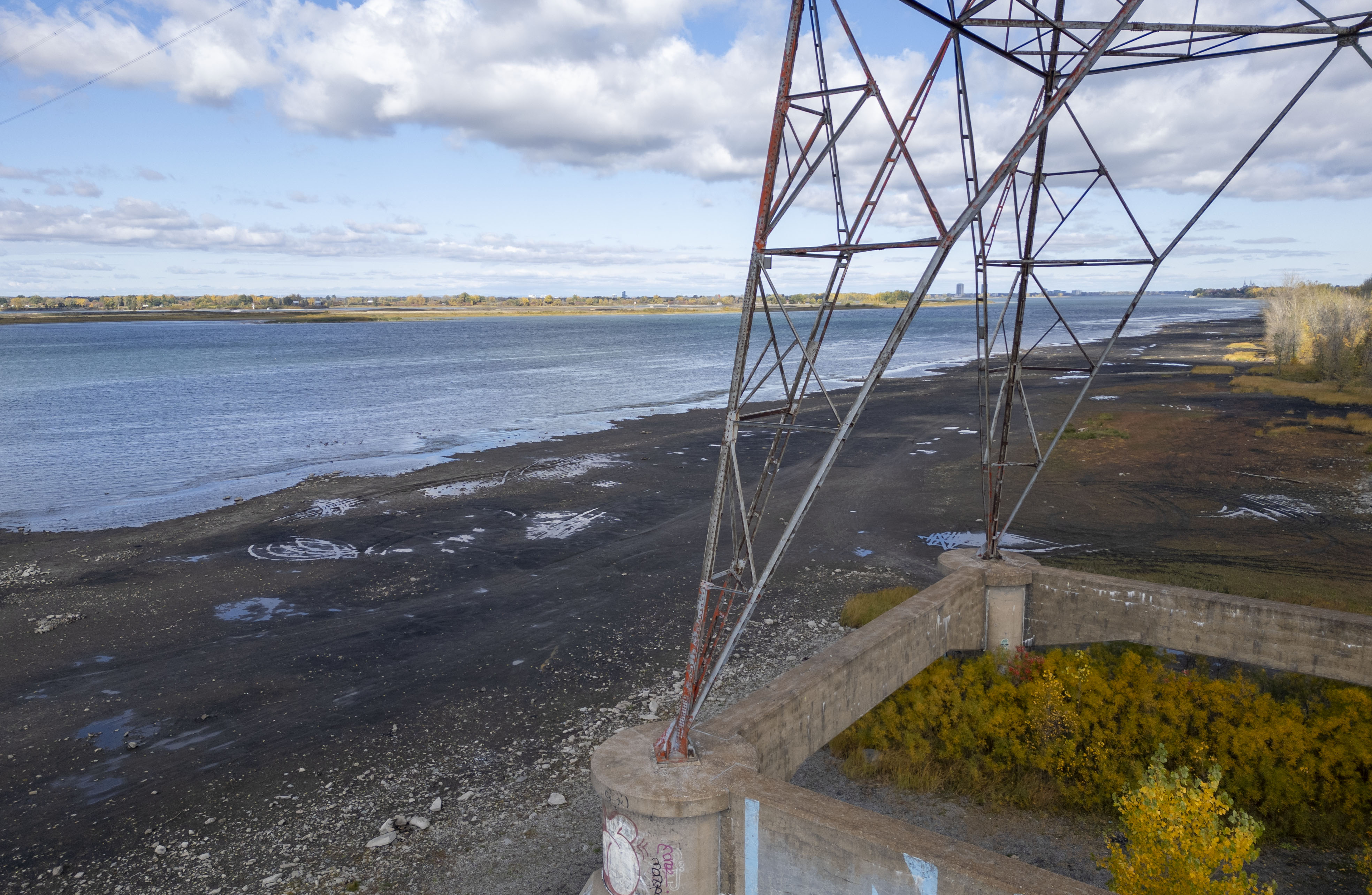
Quebec is drowning in a puddle of its own climate anxiety. Every summer, a familiar chorus of municipal leaders and environmental advocacy groups fills the news cycle with dire warnings that the province’s vast water reserves are on the brink of collapse. They look at a dry spell, panic, and immediately call for top-down restrictions, heavy-handed regulations, and taxpayer-funded infrastructure overhauls.
They are diagnosing the wrong disease.
Quebec holds approximately 3% of the world’s renewable freshwater. It features more than half a million lakes and thousands of rivers. The narrative that the province is facing an existential water scarcity crisis is not just mathematically absurd; it shifts the focus away from the actual, systemic issues governance fails to address. We do not have a supply problem. We have a pricing, infrastructure, and accounting problem.
By treating water as an infinite, free luxury for heavy industry while simultaneously treating it as a fragile, disappearing relic to scare citizens, policymakers are steering the province toward fiscal ruin. Stop trying to "save" the water. Start pricing it logically.
The Myth of the Empty Well
The mainstream media loves a doomsday narrative. When a municipality issues a lawn-watering ban, it is framed as a terrifying symptom of global climate depletion.
Let us look at the actual mechanics of Quebec's hydrology. The province possesses an embarrassment of riches when it comes to renewable water resources. The issue isn't that the aquifers are permanently drying up; the issue is that municipal distribution networks are leaking like sieves, and localized peak demand briefly outstrips filtration capacity on hot July afternoons.
Municipalities blame climate change because it absolves them of twenty years of deferred maintenance on breaking water mains. According to historical infrastructure data across Canadian municipalities, it is common to see 20% to 30% of treated drinking water lost to underground leaks before it ever reaches a consumer's tap.
When a mayor stands at a podium and begs citizens to stop washing their cars to "protect our precious ecosystems," they are hiding a structural deficit. They do not lack raw water. They lack the operational competence to pump and filter it efficiently during high-stress hours, and they are losing a quarter of their product into the dirt beneath our feet.
The Subsidized Corporate Spigot
If environmental groups genuinely cared about water conservation, they would stop lecturing suburban families about low-flow showerheads and start looking at industrial extraction rates. For decades, Quebec has practically given its water away to massive industrial players, data centers, and bottling companies for pennies.
Consider the royalty structures. While citizens pay for water treatment through property taxes, large-scale industrial consumers have historically paid royalties so low they border on a rounding error. When the cost of a vital resource is effectively zero on a corporate balance sheet, there is zero economic incentive to innovate, recycle water, or minimize waste.
Imagine a scenario where an aluminum smelter or a manufacturing plant operates a closed-loop system where 95% of process water is treated and reused internally. Right now, that technology represents a capital expenditure that makes no financial sense for a CFO. Why invest millions in a recycling loop when pumping fresh, pristine water out of the ground costs almost nothing?
We have created a bizarre ecosystem where the biggest users face the fewest restrictions, while citizens are guilt-tripped into feeling eco-anxiety every time they flush the toilet.
Dismantling the People Also Ask Panic
When citizens search for answers regarding Quebec’s water security, they stumble into a feedback loop of flawed premises. Let us correct the record with some brutal honesty.
Is Quebec running out of drinking water?
No. Quebec has some of the largest renewable freshwater reserves on earth. What Quebec is running out of is cheap, functional infrastructure to treat and distribute that water during peak periods of suburban use. The water is there; the pipes are just broken or inadequate.
Why are Quebec municipalities restricting water use?
Because their filtration plants cannot keep up with peak hourly demand during the summer, and their distribution networks lose millions of liters daily through unaddressed leaks. Restricting your lawn watering is a band-aid fix to prevent local water tower levels from dropping too low for fire protection services, not a reflection of a dried-up aquifer.
Will water scarcity affect Quebec’s economy?
Only if the government continues to mismanage the regulatory framework. True water scarcity won't break the economy, but political incompetence—such as halting industrial projects due to manufactured water scares instead of implementing proper industrial water pricing—will.
The Counter-Intuitive Blueprint: Stop Conserving, Start Pricing
The current strategy of moral suasion—asking people nicely to please care about the environment—has a 100% failure rate over the long term. If you want to fix water management in Quebec, you have to embrace the cold logic of the market.
I have watched industrial consultants and municipal planners run the numbers for years. The only mechanism that alters human and corporate behavior permanently is price.
1. Universal Industrial Metering and Real Royalties
We must end the era of corporate welfare for water extraction. Industrial users should be metered with brutal precision, and the cost per cubic meter must reflect its true economic value. If a data center or mining operation wants to use millions of liters of water, they should pay a rate that makes their shareholders wince. The moment water becomes a noticeable line item on an income statement, corporate engineering departments will miraculously find ways to cut consumption by 50% through efficiency tech.
2. Tiered Pricing for High-Volume Residential Consumers
The idea of residential water meters is a political third rail in Quebec. Politicians treat unmetered water as a fundamental human right. Let's decouple basic human needs from luxury waste. Every citizen deserves free or highly subsidized water for drinking, cooking, and sanitation. But if you want to fill an Olympic-sized swimming pool or maintain a golf-course-green lawn in July, you should enter a hyper-progressive pricing tier.
3. Mandate Infrastructure Transparency
Stop letting cities hide behind climate change slogans. Provincial funding for municipalities should be strictly tied to leakage reduction targets. If a city cannot prove it has repaired its underground networks and brought its distribution loss below 10%, its leadership should be barred from accessing provincial infrastructure grants. Force them to dig up the roads and fix the pipes instead of printing pamphlets about saving rain droplets.
The Cost of the Contrarian Approach
Let’s be entirely transparent: this approach will not make you popular at cocktail parties, and it comes with real economic friction.
If we aggressively raise water royalties for industry, some low-margin, high-water-use manufacturing facilities might threaten to leave the province. It will increase operational costs for certain agricultural sectors, which could tick up food prices if not balanced by targeted tax rebates. For the average consumer who views unlimited, unmetered water as a birthright, seeing a water meter installed in their basement will provoke immediate political fury.
But the alternative is worse. The alternative is continuing down a path of managed decline, where we sit on top of the world’s greatest hydrological treasure chest while our cities crumble, our factories waste resources, and our leaders pretend we are living in a desert.
We are not running out of water. We are running out of sense. Turn off the panic, fix the infrastructure, and put a price tag on the assets. Everything else is just noise.