Buying a home espresso machine is a minefield of over-engineered tech specs, aggressive marketing, and purist gatekeeping. You see numbers like twenty bar pump pressure advertised on cheap plastic boxes, or you read forums claiming you need a commercial dual-boiler setup just to make a morning flat white. It is exhausting. Most buyers end up paralyzed by choices or buying a machine that sits gathering dust because the workflow is too cumbersome.
Let's clear the noise. Choosing the right espresso machine doesn't require an engineering degree. It comes down to honest answers about your morning routine, your kitchen counter space, and how much tinkering you actually want to do before your first sip.
The Hard Truth About Pump Pressure and Marketing
Let's start with the biggest myth in the industry: high pump pressure. Boxes love to stamp "15 bar" or "20 bar" across the front like it's a badge of honor. Ignore it completely.
Real espresso requires about 9 bars of pressure at the coffee puck. Anything higher than that usually leads to channeling, where water forces erratic pathways through your coffee grounds, leaving you with a bitter, unevenly extracted cup. Those high numbers on consumer machines are just maximum ratings from the internal pump, not the actual pressure delivered during extraction. Look instead for a machine with an over-pressure valve (OPV) that restricts pressure down to that sweet spot of 9 bars.
Match the Machine to Your Actual Drink Menu
Your milk consumption habits dictate everything. If you only drink straight espresso, ristretto, or the occasional weekend cappuccino, your needs are entirely different from someone who makes three lattes back-to-back every single morning.
Single Boilers for Purists
If you mostly drink black coffee and only steam milk occasionally, a single-boiler machine is your best friend. These machines use one heating element for both brewing and steaming. That means when you want to make a latte, you flip a switch to heat the water up to steam temperature, wait a minute, steam your milk, and then wait for it to cool back down for the next shot. For one drink, it is a minor inconvenience. For four drinks in a row, it's a frustrating bottleneck. Modern single boilers with PID temperature control, like the Profitec GO, offer incredible temperature stability for the price, making them exceptional for espresso-focused households.
Heat Exchangers and Dual Boilers for Milk Drinkers
If lattes and flat whites form the core of your daily routine, waiting around for a single boiler to switch modes gets old fast. You need a machine that can brew and steam simultaneously.
Heat exchanger (HX) machines use one large boiler kept at steaming temperature, running brew water through a specialized tube inside it. They have powered classic Italian kitchens for decades. Dual-boiler machines take it a step further by giving you two entirely independent boilers—one optimized for brewing, one for steaming. You can control the temperature of each independently. While dual boilers take up more counter space and cost more, they eliminate guesswork entirely if you're serving milk drinks to multiple people.
The Real Cost of Ownership
The machine price tag is only half the story. If you buy a traditional semi-automatic portafilter machine, you need a dedicated espresso grinder. A cheap blade grinder or a standard drip-coffee burr grinder won't cut it. You need something capable of micro-adjustments to dial in your extraction time. Budget for the grinder before you spend your entire allowance on the shiny chrome machine.
Maintenance also demands a reality check. Scale buildup will kill even a thousand-dollar machine if you use hard tap water. Plan to use filtered water and run regular backflushing routines with cleaning detergents. If a machine requires tedious dismantling to clean the milk lines, you will stop doing it after three weeks. Look for accessible parts and clear manufacturer guidelines.
Making Your Choice
Stop hunting for the absolute "best" machine on the internet. There is no universal winner, only the right tool for your kitchen habits.
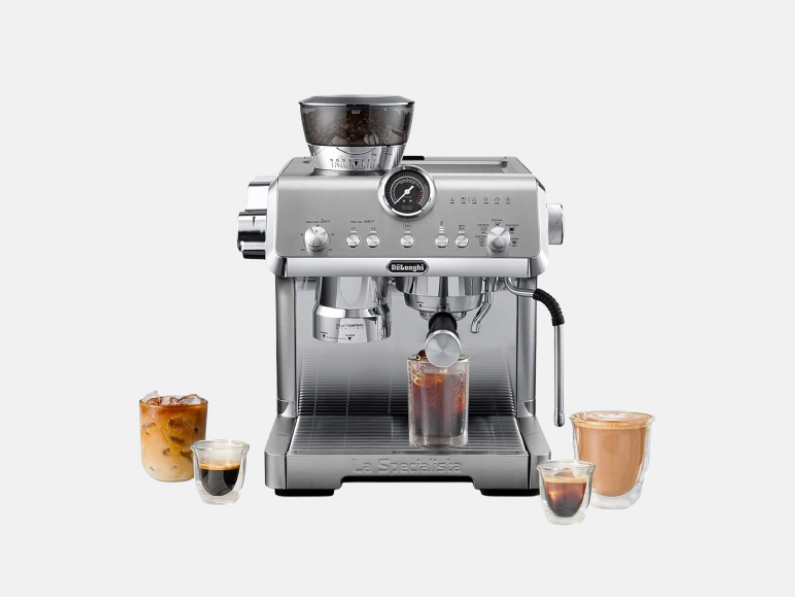
If you want a low-fuss appliance that handles everything at the touch of a button, look at a reliable bean-to-cup machine. If you enjoy the ritual of weighing beans, distributing grounds, and locking in a heavy portafilter, invest in a solid entry-level semi-automatic paired with a robust grinder. Measure your counter space, check your vertical clearance under wall cabinets, and buy the simplest machine that fulfills your daily routine. Pick your setup, buy fresh beans, and start dialing in your morning shot.