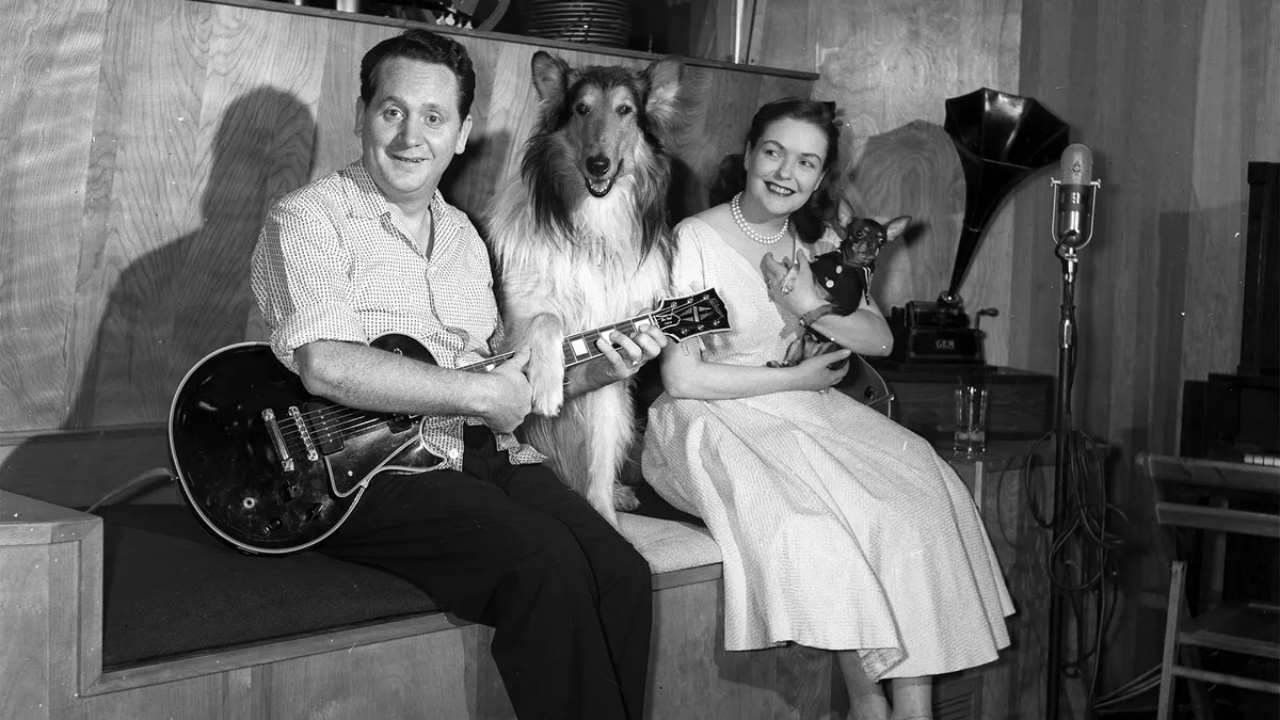
Every music history publication on the internet is throwing a collective tantrum over the bulldozing of Les Paul's former New Jersey home. The house sold for nine hundred ninety thousand dollars, and the buyer promptly flattened it. The late innovator’s son is furious. Preservationists are clutching their pearls. Headlines scream about a tragic loss of cultural history and corporate greed wiping away the roots of modern rock and roll.
It is absolute theater. And it is completely wrong.
You are being sold a lazy narrative that physical wood, drywall, and moldering insulation hold the ghost of creative genius. They do not.
I have spent decades watching developers, executors, and fans confuse sentimentality with asset management. I have seen estates blow fortunes trying to maintain crumbling suburban relics while the actual cultural artifacts that matter sit in climate-controlled vaults or, better yet, in the hands of players who actually use them.
The outrage over the Mahwah, New Jersey teardown relies on a fundamental misunderstanding of what preservation actually achieves. Let us dismantle this myth piece by piece.
The Sentimentality Tax
The core argument driving the grief over Les Paul’s home is that bricks and mortar retain creative energy. If a famous person slept, ate, and soldered pickups in a specific room, that room somehow transforms into a secular shrine.
This is emotional superstition masquerading as heritage conservation.
Les Paul was an engineer, an inventor, and a maniacal tinkerer. He did not care about preservation. He cared about innovation. He tore things apart, modified them, routed out bodies, and experimented with tape delays until the medium broke. The man invented multi-track recording and solid-body electric guitars by refusing to be chained to traditional methods.
Imagine a scenario where Les Paul walked onto a job site in his eighties and saw a group of weeping fans trying to block a bulldozer from clearing an outdated, energy-inefficient 1950s ranch house. He would have laughed them off the property. He was a futurist, not a curator of his own mausoleum.
When fans complain that the family got no warning, they are revealing a naive view of property rights. A house is a transferable commodity. Once an estate executor puts a signature on a deed, the sentimental value evaporates. The new owner holds the title, the liability, and the tax burden. Expecting a private buyer to turn a dilapidated suburban residence into a public museum out of pure altruism is economic illiteracy.
Why Historic Preservation of Suburban Homes Fails
Let us look at the mechanics of what happens when sentimental preservation actually succeeds. Spoiler alert: it is usually a disaster.
- Financial Drain: Maintaining a mid-century residential structure to museum standards costs astronomical sums. Municipalities rarely subsidize private homes of musicians unless they sit in major tourist corridors.
- Location Irrelevance: Mahwah, New Jersey is not a centralized cultural hub. Turning an obscure suburban house into an operational museum creates a traffic nightmare for neighbors and a financial sinkhole for operators.
- The Hollow Shell Effect: Without the original gear, the original workbench, and the primary figure, a preserved house is just empty drywall. You are paying tour guides to point at a corner where a refrigerator used to sit.
The real history of Les Paul does not live in a suburban basement in Bergen County. It lives in every recording studio on Earth, every multi-track mixing board, and every Gibson guitar hanging on a wall or strapped over a shoulder.
Critics confuse the vessel with the contents. The house was just wood and nails. The genius was in the man's head and hands.
The Hypocrisy of the Outrage Machine
Notice who is complaining the loudest. It is rarely the people who actually bought Les Paul’s custom instruments or preserved his unreleased recordings. It is media outlets looking for cheap clicks by weaponizing nostalgia against modern property development.
Every time an old building goes down, the internet demands a freeze on time. But cities cannot function as open-air museums frozen in amber to comfort aging baby boomers and guitar nerds. Housing markets need density. Outdated infrastructure needs replacement. If every house where a notable artist lived for five minutes became a protected landmark, urban sprawl would consume what little functional real estate is left, and property values would choke out the very artists people claim to care about.
Admitting this truth hurts because it strips away the easy comfort of pop culture mythology. We want to believe that genius leaves a permanent physical stain on the universe, marking specific coordinates on a map as sacred.
It does not.
What You Should Be Doing Instead
If you actually care about preserving the legacy of innovators like Les Paul, stop mourning drywall in New Jersey. Do this instead:
- Fund Working Archives: Support institutions like the Smithsonian or dedicated music history foundations that properly catalog actual gear, patents, and audio recordings.
- Buy the Music: Stop reading tear-jerking op-eds about real estate transactions and spend that time listening to his Capitol records with Mary Ford.
- Support Working Inventors: The best way to honor a guy who hacked apart pickups in his garage is to support modern independent pedal builders and guitar modders pushing the boundaries of sound today.
The house is gone. Good riddance. The sound remains, and it never needed the address anyway.