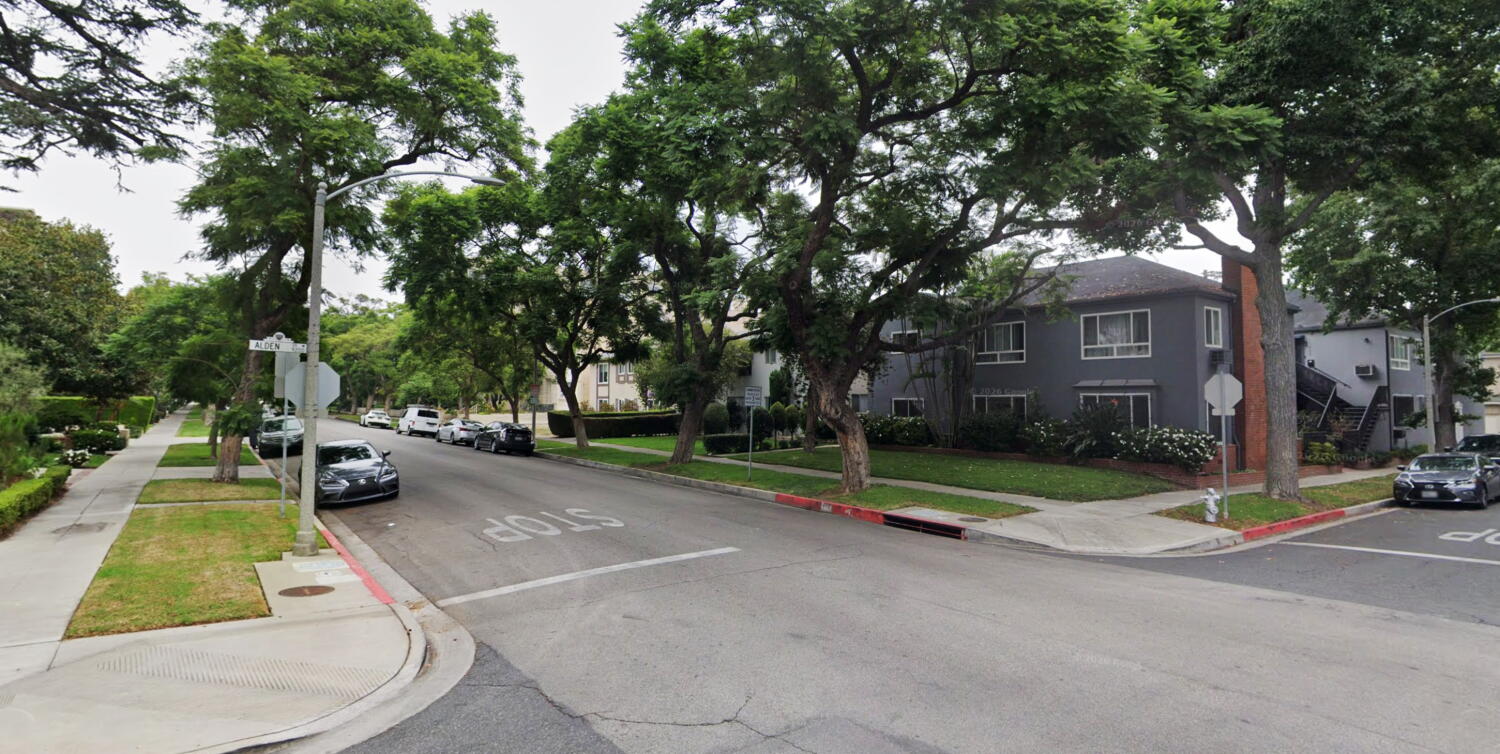
The headlines from the Golden Triangle read like a cheap noir script. Another violent confrontation, another casualty in a dark corner of a zip code that usually prefers to market porcelain veneers and high-end cashmere. The knee-jerk chorus from local commentators immediately pivots to the usual urban planning hand-wringing. They point fingers at dark municipal gaps, neglected service corridors, and the perceived blind spots of a heavily subsidized police force.
They are asking the wrong question.
The lazy consensus treats physical geography as an active participant in criminal behavior. It assumes that if you paint a back street with high-intensity lumens and line it with smart cameras, human nature magically pivots toward civic harmony. I have spent two decades analyzing urban risk models and security infrastructure for high-net-worth enclaves. I have watched municipal boards flush millions down the drain on architectural panic responses while ignoring the underlying mechanics of modern municipal violence.
Street furniture does not commit homicide. Socio-economic friction and proximity to high-value targets do.
The Myth of Architectural Deterrence
Every time a violent incident punctures the polished facade of an affluent commercial district, the immediate demand is for structural sanitization. Better lighting, restricted access gates, architectural redesigns to eliminate nooks and crannies. This is comforting nonsense. It gives city councils something to vote on and local chambers of commerce a talking point for quarterly reports.
Data from urban criminology consistently demonstrates that situational crime prevention techniques have a severely limited ceiling when applied to transient interpersonal disputes. When two individuals cross paths with lethal intent, the width of the concrete corridor or the wattage of the overhead sconce registers at zero in their operational calculus.
Beverly Hills is a paradox of hyper-surveillance and extreme wealth disparity sitting on a microscopic grid. You squeeze billions of dollars of portable luxury goods into a few square miles, surround it with an underpaid service workforce that commutes from hours away, and then act surprised when the friction points boil over into physical space. The alleyway was merely the container. The substance was a combustible mix of localized desperation, instantaneous ego clashes, and the unique isolation that comes from operating in a playground built entirely for spectators.
Deconstructing the Safety Illusion
Let us look at the standard queries flooding local news feeds regarding this incident. People want to know if tourists are safe walking behind Rodeo Drive after dark. People want to know if private security patrols failed.
The honest answer is that safety in these environments has always been a marketing construct.
Affluent zones sell an aesthetic of absolute immunity. When that illusion is shattered by a knife or a bullet in a service lane, the public experiences cognitive dissonance. They look for a technical glitch in the system. They ask if the camera was rolling or if the response time was three minutes instead of two.
Imagine a scenario where every alleyway in the Western Hemisphere is flooded with stadium-grade lighting, patrolled by drone swarms, and gated off with biometric scanners. You still have not solved the core driver of the confrontation. You have simply shifted the geography of the clash twenty feet to the left. Violence in dense commercial districts is rarely an opportunistic ambush born of darkness; it is an escalation of personal grievance, transactional disputes gone sideways, or erratic behavior amplified by the stress of modern urban existence.
What Actually Works
If we want to stop treating symptoms and address the mechanics of municipal risk, we have to abandon the aesthetic approach to security.
First, stop relying on passive architecture to do the job of human intelligence. High-end retail districts need to move away from reactive fortress mentalities and toward integrated threat awareness. That does not mean more rent-a-cops standing around holding clipboards and ignoring suspicious behavior. It means recognizing that the service economy powering these luxury districts requires structural integration, not isolation.
Second, dismantle the fiction that density equals danger only when it is hidden from view. The most dangerous interactions often happen in plain sight, masked by the indifferent hustle of valet stands and outdoor cafes. The alleyway in this case was not a dark den of villainy; it was just the place where an argument ran out of road.
The next time a violent flashpoint hits an affluent zip code, skip the editorial about urban blight and architectural blind spots. Look at the pressure cooker we have built, where extreme wealth and frantic survival rub shoulders every single day on the exact same pavement.
You cannot engineer human volatility out of existence with a better streetlamp.