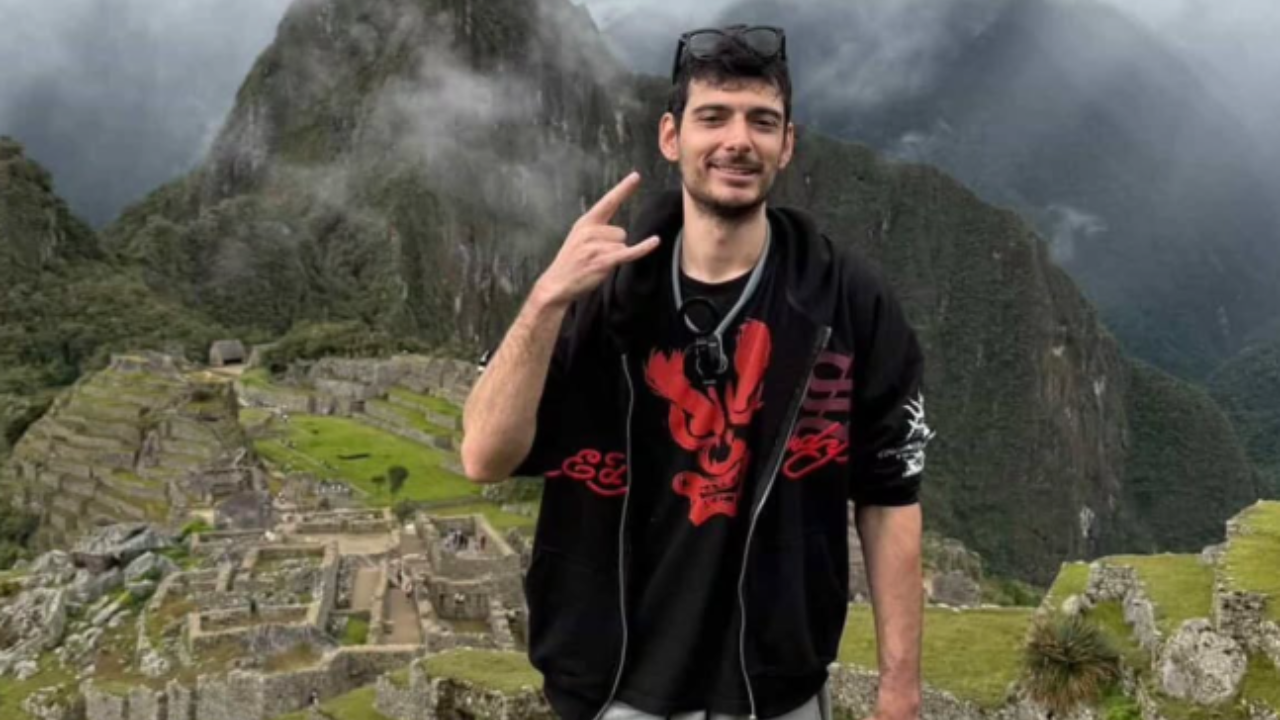
The internet spent days hyperventilating over a clip of a controversial livestreamer getting bounced from a Pokémon store in Tokyo. The standard narrative writes itself. Foreign streamer acts obnoxious, local staff enforces Japanese politeness, culture clash ensues, outrage farms harvest the engagement. Everyone nods along because it fits the neat, pre-packaged script of Western nuisance meets Eastern order.
It is a complete misread of what actually happened.
The lazy consensus treats this incident as another footnote in the tired saga of bad tourist behavior. That misses the structural mechanics of modern attention economies colliding with physical retail spaces that were never built for the broadcast era. I have watched digital creators blow millions of dollars and vaporize their reputations by misunderstanding how physical jurisdictions treat streaming. The Pokémon store ban is not a story about manners. It is a stress test for how traditional brick-and-mortar retail handles unauthorized, monetized broadcasting inside private property.
Let us dismantle the premise entirely.
The Problem with the Question
When people search for what happened at that Tokyo store, they ask if Ice Poseidon was banned, how long the ban lasted, and what rule he broke. They are asking the wrong questions.
Focusing on the individual is a distraction. The real issue is that physical retail establishments across global hubs are entirely unequipped for crowdsourced surveillance and real-time monetization. A retail store is a private commercial space designed for transaction efficiency, not a public studio for a guy with a gimbal streaming to thousands of paying viewers who direct his every move via chat.
When a creator walks into a specialty shop with a live camera, they are not browsing merchandise. They are extracting localized value, turning inventory and staff into background scenery for an external broadcast where they capture 100% of the ad revenue and donations.
Store policies regarding filming are rarely about politeness. They are about liability, intellectual property, and crowd control. Japanese retail spaces operate on an implicit social contract: you are a consumer buying goods quietly, or you are invisible. Turning an aisle of plushies into an interactive digital reality show breaks the operational model of the store. Asking whether he was banned is like asking which specific drop of water caused the levy to break.
The Mechanics of Public Nuisance as a Business Model
Let us look at the economic incentives at play. In the old era of television, disruption had a cost. If a crew wanted to film in a commercial venue, they secured permits, paid location fees, and signed liability waivers.
Live-streaming flipped this equation. Disruption became the product.
When a creator generates chaotic moments in foreign retail environments, the engagement metrics spike. Chat interaction surges. Donations accelerate. The friction of being asked to leave by staff is not a failure state for the streamer; it is peak content. The confrontation is the inventory.
[Streamer Enters Store] ---> [Extracts Free Location Value] ---> [Chat Escalates Friction]
                                                                        |
[Content Value Spikes] <--- [Staff Intervenes / Bans] <-----------------+
Retailers are learning this the hard way. They treat these incidents as isolated nuisances, dealing with them case by case using low-level security guards or polite floor staff. That approach is mathematically obsolete. You cannot fight a scalable digital monetization loop with a laminated sign that says "No Filming" in three languages.
Dismantling the Cultural Clash Myth
The media loves to frame these events as an East-versus-West cultural friction. Japan values harmony (wa); Western streamers value individual expression and disruption.
It sounds sophisticated, but it is superficial nonsense.
This has nothing to do with unique Japanese cultural sensibilities and everything to do with private property rights and commercial law. Walk into a high-end boutique in Soho, a flagship electronics store in London, or a corporate-owned museum in Chicago with a live-streaming rig pointed at employees without prior clearance, and you will be shown the door just as fast. The response might involve more shouting in New York and more bowing in Tokyo, but the operational outcome is identical. Private venues do not owe you a broadcast platform.
The obsession with framing this as a cultural misunderstanding lets the streaming platforms off the hook. Platforms like YouTube, Kick, and Twitch profit directly from the chaos generated in these unlicensed remote broadcasts, yet they maintain zero liability for real-world trespassing and harassment committed under the banner of content creation.
What Actually Needs to Happen
If retailers want to stop serving as free backdrops for monetized reality shows, they need to update their operational playbook. Relying on floor staff to negotiate with live-streamers surrounded by virtual audiences is a structural failure.
- Treat Unlicensed Streaming as Commercial Filming: Retailers must drop the distinction between "vlogging" and professional production. If a camera is broadcasting live to a monetized audience, it requires a commercial permit.
- Enforce Zero-Tolerance Perimeter Policies: Security must intercept rigs at the threshold, not after the creator has already spent twenty minutes disrupting foot traffic and filming uninterested patrons.
- Platform Accountability: Venues need legal pathways to target the platforms hosting and monetizing the trespass, turning the economics back against the companies profiting from unauthorized commercial use of private spaces.
Stop analyzing the personality of the streamer. Stop debating whether the security guard was polite enough. Look at the architecture of the interaction. Until physical retailers realize they are being mined for digital capital without compensation or consent, they will keep getting played on camera for the amusement of a chat room half a world away.