The granite steps of the Lincoln Memorial are usually cold, even in the thick of a Washington summer. If you sit there just before dawn, the city belongs to no one. The crowds of tourists pushing strollers and waving selfie sticks haven’t arrived yet. There is only the hum of distant traffic crossing the Potomac and the massive, marble presence of Abraham Lincoln sitting in his chair behind you, looking out over the water.
For decades, that view has defined the American postcard. A long, perfectly straight mirror stretching toward the Washington Monument, catching the first pink light of the morning. It is supposed to be a place of reflection, both literal and spiritual.
But look closer at the water.
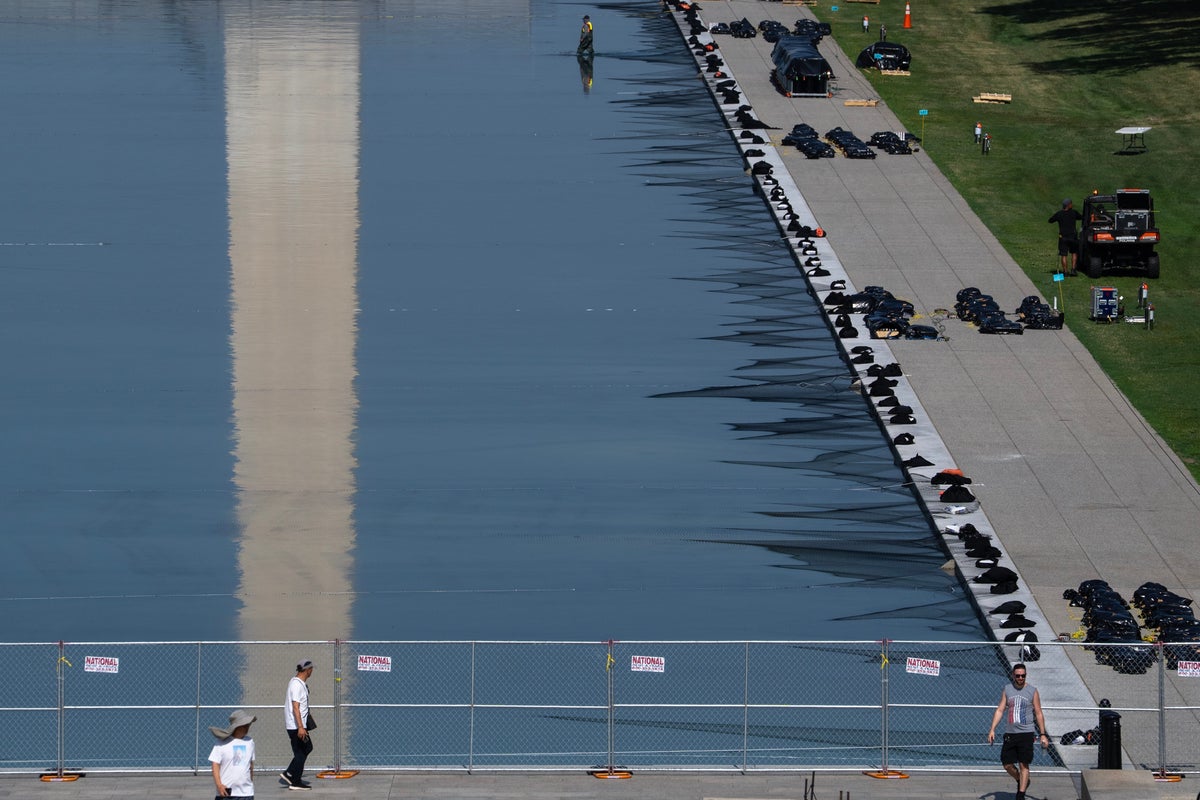
Beneath the surface of the Lincoln Memorial Reflecting Pool lies a relentless, invisible battle against decay. It is a massive, two-million-gallon ecosystem built on fragile infrastructure. When the pumps fail, the water goes stagnant. Algae takes over. The mirror turns into a thick, murky soup. For years, the federal government has wrestled with the logistics of keeping this symbolic body of water clean, functioning, and worthy of the millions of eyes that gaze into it every year.
Recently, a quiet decision echoed through the halls of the Department of the Interior. The Trump administration signaled that it would not seek new competitive bids to overhaul or repair the Reflecting Pool’s complex filtration and water systems. To the casual observer scanning a government procurement website, it looked like a standard bureaucratic line item, a footnote in the endless ledger of federal spending.
It was anything but.
The Ghost in the Plumbing
Consider a worker named Arthur. He is hypothetical, but his real-world counterparts wear heavy boots and high-visibility vests, spending their mornings clearing windblown trash and skimming green film from the water's edge.
Arthur knows the pool isn't just a hole in the ground filled with water. It is a highly engineered machine. Built in the early 1920s and extensively renovated a century later, the pool relies on a delicate balance of circulation. Water must move. If it stops, the summer heat turns the basin into a breeding ground for bacteria and midges.
When the news broke that the administration was bypassing the traditional, lengthy process of seeking new outside bids for repairs, a collective breath was held among those who manage the National Mall.
Bidding takes time. Months of paperwork. Endless committees reviewing proposals from private contractors, arguing over line items, and delaying the physical work of fixing broken pipes. By deciding not to open the floor to new bidders, the administration chose a different path: relying on existing contracts and internal resources to handle the maintenance.
The logic seems straightforward on paper. Avoid the red tape. Keep the current systems running without waiting for a savior from the private sector.
But the real problem lies elsewhere.
When you patch an old tire instead of replacing it, you save money today. You get back on the road immediately. Yet, every mile you drive carries a faint, persistent anxiety. Will the patch hold when the weather gets rough? The Reflecting Pool requires constant vigilance. The decision to stick with the status quo means the burden of keeping the mirror clean falls squarely on the shoulders of existing crews, utilizing whatever resources are already locked in place.
What the Water Remembers
We forget that the Reflecting Pool is a stage.
In 1963, more than a quarter of a million people stood around its perimeter. They hot-footed it in the August heat, dipping their toes into the water to stay cool while Martin Luther King Jr. spoke of a dream from the marble steps above. The water caught the reflection of a sea of humanity demanding justice. It didn’t care about politics or procurement policies; it simply held the image of the moment.
When a government decides how to maintain a landmark like this, it isn’t just managing concrete and plumbing. It is managing memory.
If the water grows foul, the metaphor changes. A dirty, neglected pool speaks volumes about the state of the union it sits within. Visitors travel thousands of miles from small towns across the country and cities across the globe. They walk up the Mall, expecting the grand vista they saw in history textbooks or movies.
Imagine a family arriving from Ohio, standing at the base of the monument, only to find a drained concrete ditch or a green, smelling marsh. The disappointment isn't just aesthetic. It feels like a broken promise.
The administrative choice to skip new bidding processes reflects a broader philosophy of governance: speed and containment over sweeping, long-term overhauls. It prioritizes keeping the water flowing right now over reimagining what the infrastructure could look like decades from now. It is a band-aid on a monument built for the ages.
The Price of Stillness
Water demands movement. The human heart demands stability. Somewhere in the intersection of those two truths lies the fate of the Reflecting Pool.
The current system pumps water from the nearby Tidal Basin, filters it, treats it, and recirculates it to keep the surface pristine. It is a tireless loop. The moment the funding slows down, or the maintenance contracts get tangled in administrative stasis, the system falters.
By avoiding new bidding wars, the administration kept the keys in the hands of those who already know the machinery. There is comfort in familiarity. The current contractors know which valves leak and which pumps groan under the pressure of August. They don't need to be trained.
But critics argue that without fresh bids, the public loses the chance for innovation. Could a new company have introduced a more sustainable, eco-friendly filtration system? Could the taxpayers have saved millions in the long run through a competitive marketplace?
These questions hang in the air, unanswered, as the summer sun beats down on the capital.
The marble statue of Lincoln looks out across the water every day, undisturbed by the shifting tides of executive decisions, budget allocations, and bureaucratic strategy. The pool remains filled, for now. The water is clear enough to reflect the sky, the monument, and the faces of those who stand at its edge, looking for a glimpse of something larger than themselves.
A lone mallard duck cuts a quiet V-shaped wake across the smooth surface, shattering the perfect reflection of the Washington Monument into a thousand shimmering fragments before the water slowly settles back into absolute, fragile stillness.