Salt does things to metal. It coats the hull, creeps into the hatches, and leaves a chalky residue on everything it touches. But salt does something worse to the people inside.
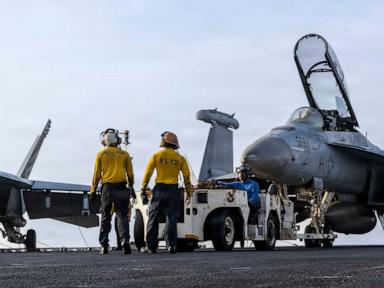
Imagine standing on a flight deck where the wind strips the breath right out of your lungs, the roar of an F/A-18 Super Hornet rattles your ribcage, and the air smells eternally of JP-5 jet fuel and sweat. Now, imagine walking down the ladder wells, descending deep into the belly of the USS Abraham Lincoln. The temperature rises. The air thickens. By the time you reach the berthing compartments—where hundreds of sailors sleep stacked three high in aluminum racks barely wider than a coffin—the humidity feels like a wet wool blanket thrown over your face.
This is not a temporary inconvenience. This is a floating city of thousands of souls operating thousands of miles from the nearest shoreline, where the basic mechanics of living have broken down.
And now, Washington is finally asking why.
When the Infrastructure Fails
For months, whispers turned into letters, and letters turned into urgent demands from Capitol Hill. Lawmakers, peering past the gray majesty of America’s nuclear-powered supercarriers, began demanding answers about the living conditions aboard the Lincoln.
Water. Sewage. Ventilation. Mold.
These are not glamorous topics. They do not feature in recruitment commercials. They do not get sweeping orchestral scores in blockbuster films. Yet they are the absolute baseline of human survival. When a sailor spends a grueling sixteen-hour workday troubleshooting an electronic catapult or securing aircraft on a rolling, pitching ocean, they expect a working shower at the end of it. They expect water that does not run brown. They expect air that does not smell of stagnant bilges and black mold.
When those expectations shatter, morale does not just dip. It collapses.
To understand why this happens, look at the sheer scale of the machine. A Nimitz-class aircraft carrier like the Lincoln is a marvel of engineering, a self-contained floating metropolis housing roughly five thousand people. It distills its own water, generates its own power, and processes its own waste. It is a brilliant, terrifying orchestration of technology.
But machines age. Systems strain under extended deployment extensions. When maintenance cycles are compressed to meet relentless geopolitical demands, preventative upkeep is the first thing that gets squeezed. You cannot park an aircraft carrier in a dry dock and tell the world to wait while you fix a ventilation duct. The mission comes first.
Always.
The Human Cost Behind the Gray Hull
To grasp the reality of life aboard a stressed warship, consider a hypothetical sailor we will call Petty Officer Second Class Miller.
Miller is twenty-four years old. He works as an aviation electrician, troubleshooting complex wiring harnesses in the merciless heat of the ship's hangar bay. He is good at his job. He takes pride in the precision required to keep pilots safe.
By midnight, Miller’s shift ends. His back aches, his skin is slick with grease and salt spray, and his throat is dry. He wants two things: to wash the grime off his skin and to crawl into his rack for six hours of uninterrupted sleep.
He makes his way down to his berthing area. The air is heavy, heavy enough to chew. He climbs into his rack—his tiny slice of privacy behind a frayed privacy curtain—only to find that the ventilation vent above him is blowing lukewarm, damp air smelling of mildew. He walks to the head. Half the stalls are out of order. The shower spits a sputtering brown stream of rusty water for thirty seconds before dying completely.
Miller does not mutiny. He does not write an op-ed. He sighs, wipes the sweat from his forehead with a dirty rag, and goes back to work.
Multiply Miller by five thousand.
That cumulative fatigue is what legislators are finally waking up to. It is an invisible drag on operational readiness. A tired, uncomfortable, sick sailor makes mistakes. Mistakes on a flight deck are fatal. The link between a broken sewage system and an aviation mishap is not as distant as admirals might wish to claim. Quality of life is combat effectiveness. You cannot separate the two, no matter how many times you try to slice the defense budget or extend a deployment.
The Sound of Accountability
For years, complaints from the lower decks stayed on the lower decks. The unwritten code of the military culture discouraged airing grievances outside the chain of command. Complaining makes you look weak. Complaining draws the wrong kind of attention.
Yet, pressure from Congress changes the calculus.
When lawmakers formally demand briefings, logs, and accountability from Navy leadership regarding the Lincoln, they are cracking open a door that the institution has historically preferred to keep bolted shut. They are asking hard questions about deferred maintenance, funding allocations, and why sailors are forced to endure conditions that commercial cruise lines would never dare subject paying passengers to for a single weekend.
The response from the Pentagon is predictable. Aging fleet. High operational tempo. Global threats spanning multiple oceans. Budget constraints.
These are facts. They are also excuses.
The public is beginning to understand that national security is not just about the price tag of a new jet or the tonnage of a destroyer. It is about the human beings who maintain, pilot, and defend those assets. If we ask eighteen-year-olds and twenty-year-olds to spend months floating in the dark expanse of the ocean, isolated from their families and staring down the barrel of geopolitical instability, we owe them clean water. We owe them breathable air. We owe them dignity.
The gray hull cuts through the waves, slicing toward an uncertain horizon. Inside, the lights hum, the engines thrum, and the crew carries out the mission. But the conversation on shore has shifted. The questions have been asked. The answers must follow, or the cracks in the steel will eventually break the people holding it together.