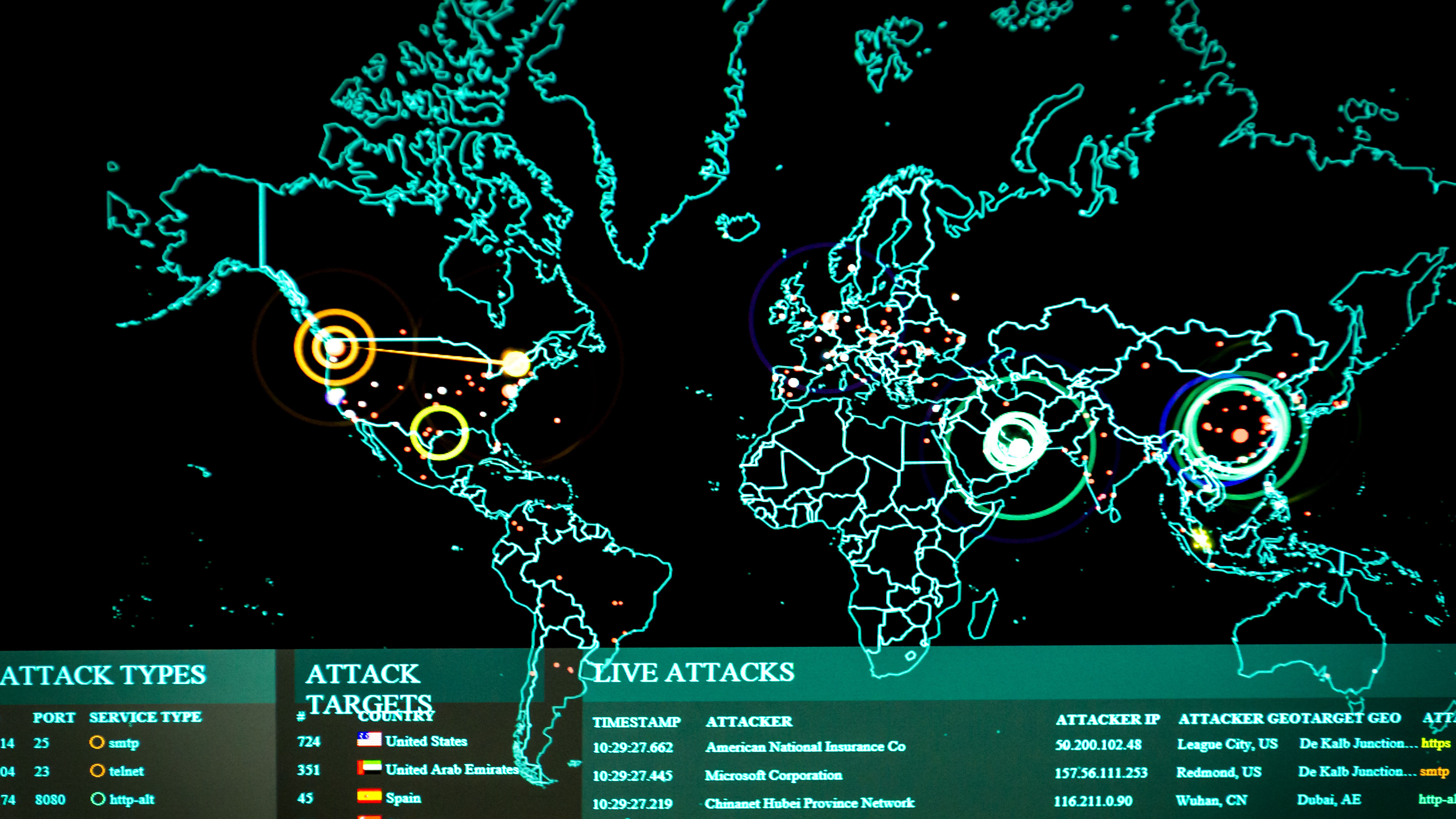
The security establishment is addicted to the "State-Backed" label because it provides a convenient excuse for failure. When a government agency or a multi-billion dollar corporation gets its data shredded by a group of teenagers in a basement, calling it a "sophisticated nation-state operation" saves face. It shifts the blame from negligent internal security to an unbeatable, shadowy adversary. This narrative isn't just lazy; it’s dangerous. It focuses our national defense on the wrong targets while the real threats walk through the front door.
We are told to brace for a rise in state-backed cyberattacks. I have spent two decades watching C-suite executives and government ministers nod solemnly at these warnings while their organizations still haven't implemented basic multi-factor authentication. If you leave your front door wide open, you don't blame the "foreign intelligence service" that walked in; you blame the person who forgot how a lock works.
The Sophistication Myth
Security chiefs love the word "sophisticated." It’s the ultimate get-out-of-jail-free card. If an attack is sophisticated, then no amount of budget could have stopped it, right? Wrong.
Most "state-backed" attacks that make the headlines rely on the exact same tactics as common criminals: unpatched vulnerabilities, stolen credentials, and social engineering. There is nothing sophisticated about a spear-phishing email that convinces a tired HR staffer to click a PDF. Yet, when the attribution points to Moscow or Beijing, we treat it like a scene from a Bond movie rather than a failure of basic digital hygiene.
The reality is that "state-backed" often just means "persistent." These actors have the time and the salary to keep knocking on the door. They aren't using magic; they are using the same tools available on any dark web forum. By over-hyping the "state" element, we ignore the fact that 90% of these breaches are preventable with boring, low-cost maintenance.
The Attribution Trap
Why are we so obsessed with knowing who did it? Attribution is a political tool, not a technical one. For a Chief Information Security Officer (CISO), knowing that a breach originated from a specific military unit in East Asia doesn't help restore the database or protect the customers.
The obsession with attribution serves two purposes:
- Political Posturing: It allows governments to issue sanctions and make "strongly worded" statements.
- Budget Justification: It’s much easier to ask for a £50 million increase in the security budget if you claim you’re fighting a foreign army instead of a guy named Dave who likes to reuse his passwords.
I have seen companies spend millions on "threat intelligence" feeds that tell them which nation-states are active. They would have been better off spending that money on a rigorous internal audit. Attribution is a luxury for those who have already mastered the fundamentals. Most UK organizations are nowhere near that level.
Your Internal IT Team is the Real Security Risk
We talk about foreign hackers as the primary threat, but the biggest vulnerability in any UK infrastructure is the culture of the organization itself. We have a systemic "good enough" attitude toward tech debt.
Legacy systems—software that belongs in a museum—are still running the backbone of our public services. These aren't vulnerable because of a "state-backed" genius; they are vulnerable because they were designed before the internet was a public utility. We are trying to guard a Victorian house with a Ring doorbell.
The internal threat isn't just malicious insiders; it's the "shadow IT" created by employees who find your security protocols so cumbersome that they bypass them just to do their jobs. When your security policy is so rigid that people start using personal Dropbox accounts to share sensitive files, you have already lost. No state-backed hacker needs a zero-day exploit when your employees are handing them the keys out of sheer frustration.
The Failure of the "Hard Shell" Strategy
For decades, the UK’s approach has been the "M&M" strategy: a hard outer shell with a soft, chocolatey center. We build massive firewalls and then assume everything inside the network is safe.
Nation-states love this. Once they get past the perimeter—which they will, through a single phished laptop—they have free reign. They can move laterally for months, scraping data and planting backdoors, while the "security chiefs" are busy looking at the firewall logs.
The move toward "Zero Trust" is often cited as the solution, but most organizations are just using it as a buzzword. True Zero Trust is painful. It means every single action, every single time, must be authenticated. It’s slow, it’s expensive, and it’s annoying. Most UK businesses don't have the stomach for it. They want the safety without the sacrifice.
Stop Buying Boxes, Start Fixing Basics
The cybersecurity industry is a racket of "silver bullet" solutions. Every year, there’s a new AI-powered, blockchain-secured, cloud-native box that promises to stop state-backed actors. And every year, those boxes fail.
You cannot buy your way out of a cultural problem. Security is a process, not a product. If you want to actually "brace" for cyberattacks, stop reading the fear-mongering headlines and start doing the work that doesn't scale:
- Aggressive Patching: If a critical patch is released, it should be applied in hours, not months. The "state-backed" actors rely on your 90-day maintenance window.
- Credential Hygiene: Password managers aren't optional. MFA isn't a "nice to have." If you are still using SMS-based MFA, you are basically inviting a breach.
- Assume Breach: Stop trying to keep them out. Start figuring out how to make their lives miserable once they are in. Segment your networks so that a breach in marketing doesn't lead to a breach in the R&D lab.
- Kill the Legacy: If a system can't be patched, it shouldn't be on the network. Period. No excuses about "business continuity." A total data wipeout is the ultimate business discontinuity.
The Cost of the Wrong Focus
Every pound spent on "countering state-backed influence" is a pound not spent on securing the local council’s payroll system or the NHS’s patient records. We are prioritizing the cinematic threat over the systemic one.
The "State-Backed" narrative is a distraction. It's a way for the people in charge to pretend that the threats we face are exotic and unstoppable, rather than the predictable result of decades of underinvestment and technical illiteracy.
The UK doesn't need to brace for a rise in state-backed attacks. It needs to wake up to the fact that it has been leaving the back door unlocked for twenty years and then acting surprised when someone walks in.
Don't wait for a security chief to tell you the sky is falling. Look at your own servers. The call is coming from inside the house.
Fix your basics or get out of the way.