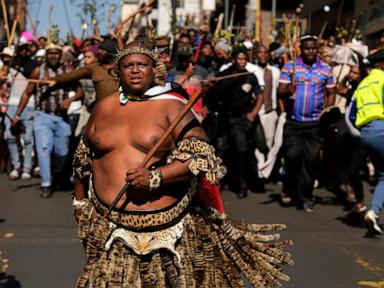
The headlines are screaming victory. The South African government wants you to believe it has finally found its backbone. According to the official press releases, over 53,000 undocumented migrants have been "processed for deportation or repatriation" in a massive, decisive crackdown. The state is supposedly securing its borders, cleaning up the streets, and answering the democratic will of its frustrated citizens.
It is a beautiful piece of political theater. It is also an absolute sham.
What the Inter-Ministerial Committee on Migration is calling a successful border enforcement campaign is actually a state-funded evacuation. This is not a strategic triumph of national security. It is a panic-induced, taxpayer-funded taxi service designed to pacify vigilante groups and hide the state’s absolute failure to manage its economy or its borders.
By celebrating the sudden departure of over 53,000 people—more than 80 percent of whom are Malawians, followed by Zimbabweans and Mozambicans—South Africa is cheering for its own economic self-sabotage.
The Great Repatriation Lie
Look closely at the numbers the government is so proud of. The Department of Home Affairs and Justice Minister Mmamoloko Kubayi are boasting about processing over 53,000 foreign nationals in just a few weeks.
But how did they reach this number?
They did not do it through sophisticated, targeted intelligence operations. They did it because thousands of terrified families packed their bags and begged to go home before the June 30 protest deadline, fearing they would be burned out of their homes.
The vast majority of these "repatriations" are voluntary in name only. They are the direct result of a spike in anti-foreigner sentiment, violent protests, and civilian mobs conducting illegal door-to-door searches. When a Malawian family in Olivenhoutbosch decides to board a state-provided bus because they are terrified of being murdered, calling that "migration management" is a grotesque distortion of reality.
I have watched South African immigration policy stumble from one crisis to another for over a decade. The pattern is always the same. Xenophobic tensions boil over, vigilante groups like Operation Dudula start acting as illegal labor inspectors, the state panics, rounds up whoever is closest to the border, and calls it a "crackdown" to buy some time.
This is not law enforcement. It is capitulation.
The Economics of a Self-Inflicted Wound
The popular consensus in South African townships and political rallies is simple: foreign nationals are stealing jobs, draining municipal services, and causing the country’s catastrophic 33% unemployment rate.
It is a convenient lie that local politicians love to feed to desperate voters. But it completely ignores basic economic principles.
Migrants do not steal jobs; they create economic activity. In South Africa's informal sector—which represents a vital safety net for millions—foreign traders, shopkeepers, and laborers keep capital circulating in township economies where commercial banks and supermarket chains refuse to operate.
Consider the agricultural and construction sectors in provinces like Limpopo, Mpumalanga, and Gauteng. These industries rely heavily on regional cross-border labor. When you abruptly remove tens of thousands of workers from these supply chains, you do not suddenly open up high-paying jobs for South African youth. You simply cripple the farms and building sites that depend on this labor to remain profitable.
By forcing out these workers, South Africa is actively shrinking its tax base and driving up the cost of basic goods and services. If you think food prices are high now, wait until you see the harvest costs when agricultural hubs are depleted of their experienced, cross-border workforce.
The Cost of the Performance
Let’s talk about the money.
The state has set up a massive Temporary Repatriation Processing Centre in Musina, near the Beitbridge border post. They are chartering fleets of buses and coordinating flights with neighboring governments to move thousands of people out of the country.
Who is paying for this? The South African taxpayer.
Minister Kubayi herself admitted that these temporary measures are incredibly expensive and unsustainable. The state is spending millions of rands on logistics, security, housing, and feeding tens of thousands of people at temporary holding facilities, all to execute a short-term political stunt.
This is money that could have been spent on fixing the broken infrastructure that anti-migrant groups are complaining about. It could have gone toward training real, professional labor inspectors, upgrading police stations, or modernizing the border management systems that have been neglected for decades.
Instead, millions are being poured into a revolving door.
Here is the inconvenient truth nobody in Pretoria wants to admit: many of the people being bussed across the border today will be back next month. When the underlying economic drivers remain unchanged, deportations are just a temporary geographic relocation. A migrant who is returned to Malawi or Zimbabwe, where economic opportunities are non-existent, has every incentive to walk right back across South Africa’s notoriously porous 4,800-kilometer border.
Unless the government plans to build and patrol a militarized wall around the entire sub-continent, this "crackdown" is just a recurring expense with zero return on investment.
Rewarding the Mob
The most dangerous aspect of this entire operation is the precedent the government is setting.
By launching this massive, expensive operation directly in response to anti-immigrant shutdowns and vigilante action, the state is sending a clear message to the mob: violence works.
When civic groups can march into factories, demand to inspect the papers of employees, threaten business owners, and force the government to deploy emergency repatriation buses to avoid a bloodbath, the state has lost its authority.
The South African Police Service has registered hundreds of cases and arrested over 350 people for unlawful conduct, intimidation, and unauthorized immigration checks. But these arrests are a drop in the ocean compared to the scale of the vigilantism. By coddling these groups and executing their demands under the guise of "national security," the government has outsourced its immigration policy to the loudest, most aggressive voices on the street.
This is a recipe for long-term disaster. Today, the mob demands the removal of Malawians and Zimbabweans. Tomorrow, they will demand the removal of domestic minority groups, internal migrants from other provinces, or businesses owned by anyone who doesn't fit their narrow definition of a local.
The Real Bottleneck: Home Affairs
If South Africa actually wanted to solve its migration crisis, it would stop chasing undocumented workers in the streets and look at the real culprit: the Department of Home Affairs.
The department is a bureaucratic graveyard. It takes years to process asylum seeker permits, work visas, and residency applications. The system is so broken, corrupted, and slow that even highly skilled international executives and legal refugees are routinely forced into technical illegality because the state cannot process their paperwork in a reasonable timeframe.
Imagine a scenario where a foreign national enters the country legally, applies for the correct permits, pays the fees, and then waits five years for a response that never comes. When their initial visa expires, they are suddenly labeled "undocumented" and targeted for deportation.
This is not a failure of the immigrant. It is a systemic failure of the state.
Instead of reforming this dysfunctional system, the government is focusing on the highly visible, low-yield task of physical removals. It is far easier to load fifty terrified people onto a bus in Limpopo and take a photo for the evening news than it is to root out corruption, upgrade IT infrastructure, and train administrative staff in Pretoria.
The 53,000 processed for deportation are not a sign of a functioning sovereign state. They are a monument to a government that has run out of ideas, run out of money, and yielded its authority to the mob. South Africa is celebrating the dismantling of its own economy, paying for the privilege with taxpayer funds, and setting a precedent that will haunt its democracy for decades.
The buses will drive north, the borders will remain porous, the structural economic failures will persist, and the theater will continue.