The afternoon air in Viacha tasted of dust and thin high-altitude sunlight before the world tore itself apart. At precisely half-past two, thirty kilometers southwest of La Paz, the ground did not merely shake; it screamed. A violent concussion rolled across the Altiplano, turning ordinary Friday routines into a frantic scramble for survival. Glass windows in neighborhood homes shattered into glittering diamonds, raining down onto streets where children had been playing minutes before.
Inside the gates of the Bolivar military base, an ordinary storage facility holding the defense ministry's pyrotechnic stockpile transformed into an inferno.
Silence followed the roar, a heavy, suffocating quiet broken only by car alarms and the distant wail of sirens rushing from the capital. Then came the smoke—thick, gray, and unyielding—billowing into the thin Andean sky.
When the smoke cleared enough for rescue teams to step past the perimeter, the true toll began to register. Defense Minister Ernesto Justiniano confirmed that the initial blast, fueled by black powder and stored pyrotechnics, triggered a devastating chain reaction. At least two lives were snuffed out in an instant, though local health officials warned that the grim count could climb much higher as recovery efforts ground forward. More than fifty people sustained injuries, their bodies bearing the blunt force of flying shrapnel and collapsing infrastructure. Among the wounded rushed to La Paz hospitals was a young girl suffering from severe third-degree burns, a stark reminder of how indiscriminately disaster strikes.
Yet, numbers on a page fail to capture the hollow ache of uncertainty. Fourteen human beings vanished into the smoke. Fourteen names whispered by frantic family members gathered outside the military cordon, clutching photographs and staring blankly at the soldiers holding the line.
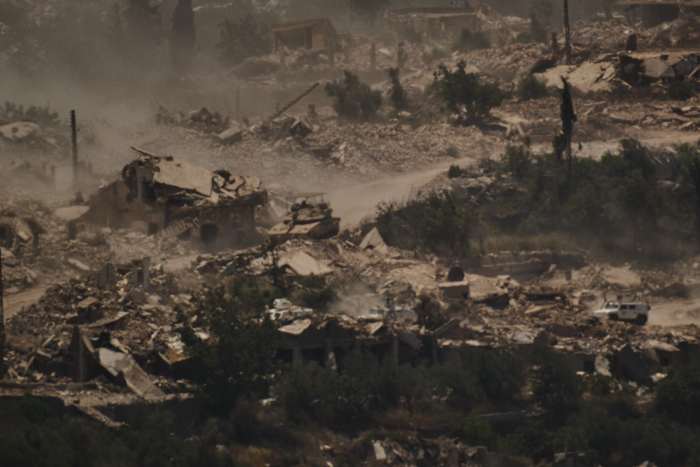
Consider what happens next in a community tethered to a military installation. Fear does not dissipate with the smoke. Firefighters scanning the smoldering ruins quickly issued urgent warnings that a lingering heat source remained buried deep within the wreckage, threatening a secondary cataclysm. Authorities drew a strict line in the dirt, ordering residents to stay at least one hundred and fifty meters away from the unstable grounds. Families driven from their shattered homes were left to wonder if their neighborhoods were safe, or if the ground beneath them would erupt a second time.
Investigators now sift through the ash to determine how a routine storage site became ground zero for a tragedy. Was it negligence, a mechanical failure, or a cruel alignment of environmental factors at high altitude? Official inquiries are underway, led by defense officials and national police, but answers offer cold comfort to a mother searching the faces of paramedics for her child.
The investigation will take weeks. The shattered windowpanes of Viacha will eventually be swept away, and the scorched earth of the barracks will be cleared. But the sound of that afternoon will linger in the bones of the Altiplano—a sudden reminder of how fragile safety is when the sky decides to fall.