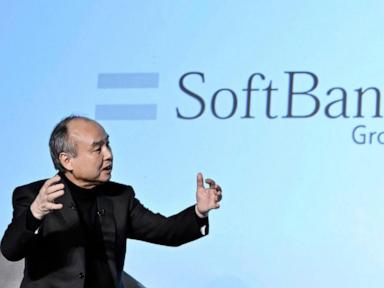
Masayoshi Son isn't just back; he’s winning. After years of critics calling his Vision Fund a reckless gamble, the latest earnings report from SoftBank Group shows a massive turnaround that isn't just about luck. It’s about the sheer scale of the AI explosion. The Japanese conglomerate just posted a net profit of 1.18 trillion yen (roughly $7.7 billion) for the September quarter. Compare that to the nearly 1 trillion yen loss they swallowed just a year ago. That's a staggering swing. If you thought SoftBank was yesterday's news, you weren't paying attention to the chips and the clouds.
This isn't a fluke. The driver here is a combination of a weaker yen and, more importantly, a sharp recovery in the valuations of tech companies within the Vision Fund portfolios. But the real star of the show isn't even a startup. It's Arm. The UK-based chip designer has become the crown jewel that justifies every eccentric presentation Son has ever given.
Why the Vision Fund finally stopped bleeding
For a while, mentioning the Vision Fund felt like talking about a car crash. We saw high-profile disasters like WeWork and massive write-downs that made investors sprint for the exits. But things changed. The market finally started valuing AI infrastructure and software with the aggression Son predicted back in 2017.
SoftBank’s Vision Fund 1 and 2 are seeing a resurgence because they hold stakes in companies that are now essential to the AI supply chain. We’re talking about more than just chatbots. These are the companies building the logistics, the biotech, and the enterprise tools that run on top of massive datasets. When Nvidia’s stock goes up, it lifts the entire sector. While SoftBank famously sold its Nvidia stake too early—a mistake that probably haunts Son's dreams—the "Nvidia effect" has inflated the value of everything else they touch.
You have to look at the numbers to see the shift. The Vision Fund unit itself saw an investment gain of about 608 billion yen. While that’s not quite the "moonshot" numbers of the early days, it’s consistent. It shows a stabilizing portfolio. They’ve been disciplined. They’ve sold off assets, trimmed the fat, and waited for the public markets to open back up.
Arm is the engine of the entire strategy
If you want to understand SoftBank’s current power, stop looking at the Vision Fund for a second and look at Arm. SoftBank owns about 90% of the chip architect. Since its IPO, Arm’s stock has stayed high, fueled by the demand for energy-efficient processors in data centers.
Every major AI model needs hardware. And almost all mobile hardware, and increasingly server hardware, relies on Arm’s architecture. This gives SoftBank a massive amount of collateral. They can borrow against these shares to fund new, even more ambitious bets. It’s a virtuous cycle. Arm designs the chips, the chips power the AI, the AI companies get funded by SoftBank, and the value of Arm goes up because those companies need more chips.
I’ve seen plenty of analysts argue that Arm is overvalued. Maybe. But in a world where power consumption is the biggest bottleneck for AI progress, Arm’s "power-per-watt" advantage is a moat that’s hard to ignore. Son knows this. He’s often said he wants to create a world of "Artificial Super Intelligence," and you can't do that without the underlying silicon.
The move from venture capital to AI infrastructure
SoftBank is shifting its identity. They aren't just a venture capital firm anymore. They're becoming an AI holding company. This is a crucial distinction that most people miss. They're moving away from "apps" and toward "infrastructure."
Look at their recent investments. They’re putting money into energy. They're looking at power grids. Why? Because AI data centers eat electricity like nothing else. Son is reportedly looking to raise $100 billion for a project codenamed "Izanagi" to build AI chips that could compete with Nvidia. Whether that happens or not, the ambition tells you where his head is at. He’s not looking for the next Uber. He’s looking to own the digital nervous system of the planet.
Critics say it’s too much. They say the debt is too high. Honestly, they’ve been saying that for twenty years. While the debt is real, the cash position is also real. SoftBank is sitting on a mountain of liquidity. They’ve spent the last two years being uncharacteristically quiet, "defensive," as they put it. That period is over. The "offensive" mode is back, and it's focused entirely on one thing.
What investors keep getting wrong about Masayoshi Son
People love to dunk on Son when he’s down because his style is so grand. He talks about 300-year plans. He uses slides with pictures of gold bars and birds flying out of cages. It’s easy to mock. But if you look at his track record since the Alibaba days, he has a knack for being right about the "big wave" even if he wipes out on a few individual sets.
The mistake most people make is focusing on the individual failures like WeWork. In a venture portfolio of that size, you expect failures. What matters are the outliers. Arm is an outlier. ByteDance (TikTok’s parent), which SoftBank also has a piece of, is an outlier. These winners pay for all the losers ten times over.
Currently, the market is rewarding companies that actually have a path to AI monetization. SoftBank’s portfolio is finally maturing into that. They have companies in India like Swiggy and others going public, providing the exits they desperately needed to prove the model works.
How to play the SoftBank recovery
If you're watching this as an investor, you don't just buy SoftBank because they had one good quarter. You buy it because you believe in the AI "super-cycle." If you think AI is a bubble that’s about to pop, stay far away. SoftBank is essentially a levered bet on the future of technology.
Keep an eye on three things. First, the IPO market. SoftBank needs more of its startups to go public to realize those gains. Second, the yen. A lot of their gains this quarter were helped by currency fluctuations. If the yen strengthens significantly, those paper profits might shrink. Third, and most importantly, listen to what Son says about energy. If he starts buying into power plants or specialized energy storage, he’s serious about building a sovereign AI stack.
Don't wait for the mainstream media to tell you the "landscape" has shifted. It already did. SoftBank has moved from a period of survival to a period of expansion. They have the cash, they have the chips, and they have a founder who isn't afraid of looking like a fool in the short term to be a genius in the long term.
Get comfortable with the volatility. It’s part of the package. If you want a safe utility stock, buy a railroad. If you want to be at the center of the AI transition, watch the Japanese firm that everyone left for dead two years ago. They’re just getting started. Check the debt-to-equity ratios every quarter, stay skeptical of the "vision" talk, but never bet against a guy who owns the blueprints for the world’s chips.