The advertisement on the phone screen promised a miracle for the price of a weekend dinner. A gleaming white smile, perfectly aligned, finished in a single afternoon. For months, Mei had stared at her chipped molar in the mirror, hating the way she covered her mouth every time she laughed. The cost at her local clinic in Hong Kong felt like a heavy stone she could not lift. Then came the cross-border temptation. Shenzhen was just a short train ride away, a bustling metropolis where high-rise clinics advertised state-of-the-art dental care at a fraction of the price. It looked clean. It looked professional. It looked like salvation.
It was a gamble with her jawbone.
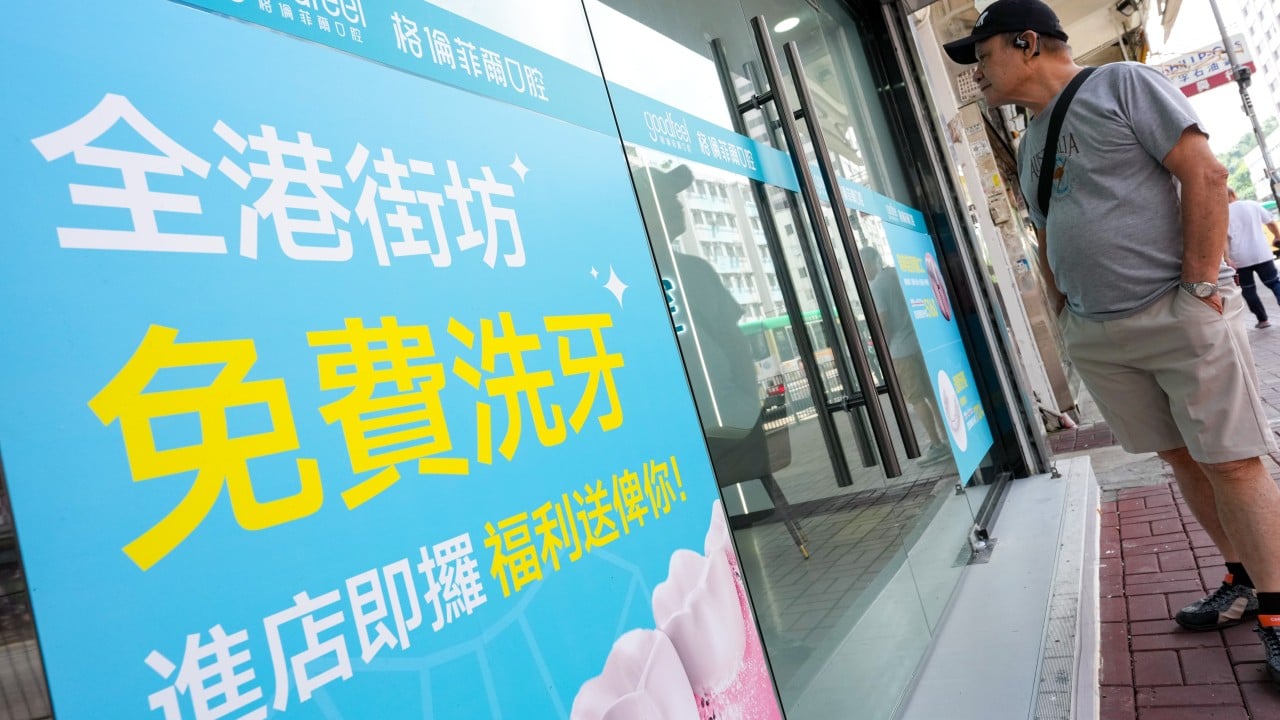
Across the border, a massive regulatory sweep was quietly gathering momentum. Shenzhen authorities had finally drawn a hard line, cracking down on a sprawling network of illegal dental services and aggressive, misleading advertisements targeting cross-border patients from Hong Kong. Behind the glossy flyers and slick social media videos lay unlicensed practitioners, substandard materials, and clinics operating in the shadows of legal accountability.
To understand why thousands of patients willingly walked into these unregistered clinics, you have to understand the quiet panic of dental poverty. Dental care in modern urban centers has drifted out of reach for ordinary wage earners. When a root canal costs a month of rent, desperation becomes a powerful filter. People stop reading the fine print. They want the pain to stop. They want the embarrassment to vanish. They see a discount and they run toward it, blind to the invisible stakes.
Consider what happens when a procedure goes wrong in a clandestine back-room operation. (Note: This is a composite scenario based on verified reports from consumer councils). A patient sits in a chair under blinding halogen lights. The person holding the drill speaks fluent Cantonese, smiles warmly, and wears a crisp white coat. But that coat hides a missing license. The porcelain crown cemented onto the tooth is made from unregulated industrial alloys that leach toxins into the gums. Weeks later, the pain begins. Not a dull ache, but a deep, throbbing infection that eats through the bone. When the patient returns to seek help, the clinic has vanished behind a locked metal shutter, replaced overnight by a different storefront.
Shenzhen health authorities knew this underground economy was thriving. The lure of Hong Kong wallets had birthed an ecosystem of unlicensed brokers, agents who posted hypnotic videos on social media platforms, promising painless veneers and rapid orthodontics. These advertisements relied on digital trickery, stolen credentials, and outright deception. They preyed on the fatigue of commuters tired of waiting lists and inflated invoices.
The crackdown, when it came, was swift. Inspectors fanned out across commercial districts, raiding unverified clinics, seizing counterfeit dental equipment, and detaining operators who had traded human health for quick cash. The official statements were dry and bureaucratic, filled with legal codes and warnings about consumer rights.
Yet numbers and citations fail to capture the human damage.
I remember sitting in a dental chair years ago, gripping the armrests until my knuckles turned white, staring at the ceiling tiles while the whine of the drill vibrated straight through my skull. Vulnerability is the baseline of any medical procedure. You are handing over control of your body to a stranger. When that stranger turns out to be a fraud, the violation goes far deeper than physical pain. It shatters your trust in the systems meant to protect you.
The regulatory action in Shenzhen is not merely a bureaucratic cleanup. It is a necessary friction in a borderless consumer market that has grown too fast for its own safety. When medical services are treated like discounted retail goods, quality control becomes a matter of life and death. Or, at the very least, a matter of whether you will have a jaw left to chew with next year.
For years, the convenience of high-speed rail made cross-border medical tourism as casual as grocery shopping. People zipped back and forth for haircuts, massages, and routine checkups. But dentistry is surgery. It is structural engineering inside a living body. Treating a cavity or installing an implant requires precise geometry, sterile environments, and rigorous post-operative care. You cannot download a refund for lost bone tissue.
The crackdown exposed a sobering truth. The internet is a brilliant amplifier of desire, but it is a terrible verifier of truth. A high follower count does not sterilize a drill. A glowing video review cannot cure a bone infection.
For Mei, the glossy advertisements lost their magic the moment the news broke of the raids. She looked back at her phone, at the saved screenshot of the discount clinic, and felt a cold shiver run down her spine. She had dodged a bullet, saved only by timing and a sudden spike of hesitation. She still has her chipped molar. She is still saving her money, setting aside small amounts each month, paying the high local price for the slow, unglamorous safety of a licensed professional.
The storefronts in Shenzhen are changing. The misleading banners are coming down, torn from walls by inspectors wearing blue uniforms. But the underlying hunger remains. As long as the cost of basic health care remains a steep cliff for the working public, people will look for bridges across the chasm. Some bridges are built of stone and engineering. Others are built of smoke and mirrors, waiting for the first heavy footstep to collapse into the dark.