The air inside the semiconductor fabrication plant in Hwaseong, South Korea, is unnaturally still. It is thousands of times cleaner than the air outside, scrubbed of any stray speck of dust that could ruin a silicon wafer worth more than a luxury sports car. Engineers walk the floor in pristine white bunny suits, looking less like factory workers and more like surgeons operating on the microscopic heart of the modern world.
For nearly two years, the mood in these halls was tense. The global tech downturn had hit hard. Warehouses were piled high with unsold memory chips, and the financial ledgers of Seoul’s tech giants were bleeding red ink.
Then, the orders from China changed everything.
A massive surge in demand for artificial intelligence hardware from Chinese tech firms has done something economists thought was nearly impossible just twelve months ago. It has flipped the trade balance between South Korea and its largest trading partner, dragging Seoul out of a persistent deficit and into a rare, lucrative surplus.
To understand how we got here, we have to look past the dense columns of customs data and look at the silicon itself.
The Microscopic Tug of War
Consider a hypothetical engineer named Min-woo. He has spent the last decade perfecting the lithography process for high-bandwidth memory, known in the industry as HBM. For years, Min-woo’s work was tied to the predictable cycles of smartphone releases and consumer laptops. When global consumers bought fewer phones, Min-woo’s company faced layoffs.
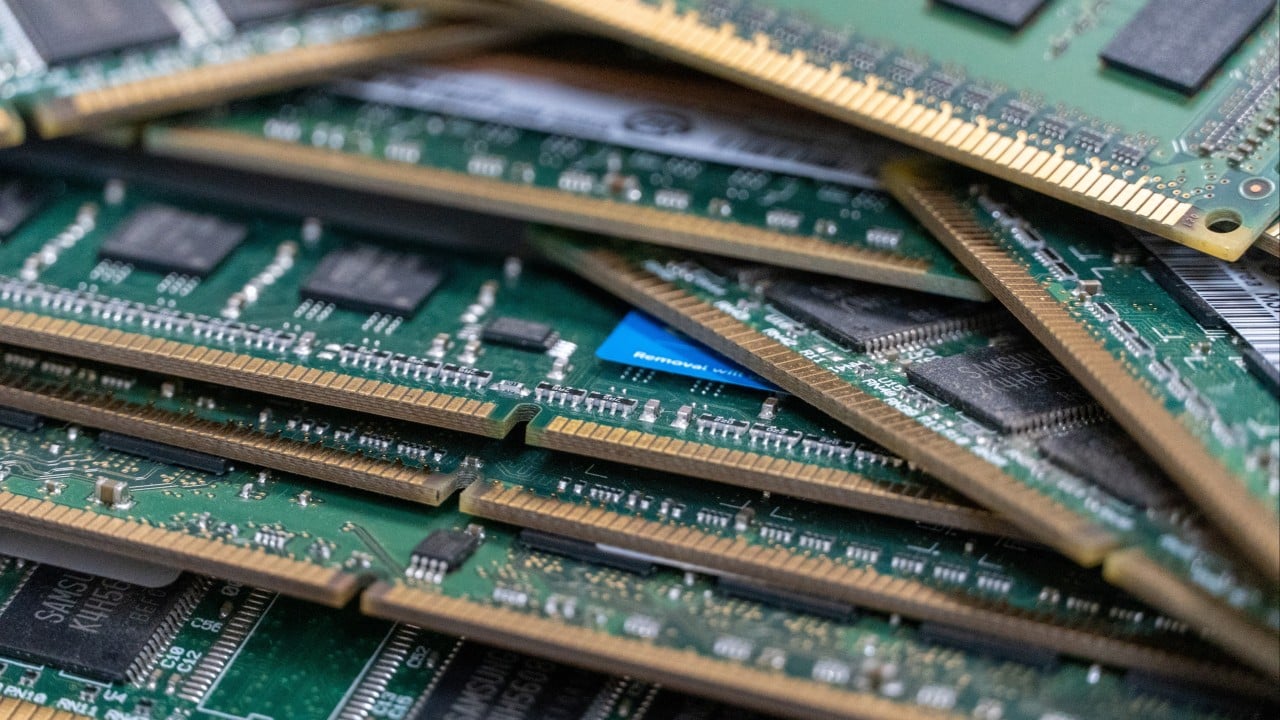
But AI requires a different kind of horsepower. Traditional memory chips process data like a single-lane country road. HBM is a multi-lane superhighway, stacking memory dies vertically to feed data to AI processors at blistering speeds.
When American restrictions tightened around exporting the absolute highest-tier AI processors to Chinese firms, Beijing did not stop its AI ambitions. Instead, Chinese tech giants altered their strategy. They began buying every piece of compatible, high-performance hardware they could legally acquire to build their own domestic AI clusters.
They needed memory. Massive, mountain-sized quantities of it.
The result was a sudden, violent shift in trade dynamics. According to data from the Ministry of Trade, Industry and Energy in Seoul, South Korea’s exports to China skyrocketed, driven overwhelmingly by semiconductor shipments. For the first time in years, the columns of numbers shifted. Money was flowing heavily from west to east across the Yellow Sea.
The Fragile Anatomy of a Surplus
It is easy to look at a trade surplus and celebrate. A surplus means victory, right?
The reality is far more delicate. This economic turnaround is not born from a broad, healthy revival of global consumer retail. It is fueled by an intense, highly specific geopolitical scramble.
Think of it like a sudden spike in umbrella sales during a monsoon. The umbrella maker is getting rich, but their entire business model is now dependent on the storm continuing exactly as it is.
South Korea finds itself walking a razor-thin tightrope between two superpowers. On one side is Washington, which controls the core semiconductor design software and equipment patents that South Korean companies rely on. On the other side is Beijing, the insatiable customer writing the checks that keep the factories running.
Every time a new export regulation is debated in the West, executives in Seoul hold their breath. A single policy shift could render billions of dollars of inventory unsellable overnight. The current surplus is highly lucrative, but it is built on a foundation of shifting geopolitical sand.
Beyond the Numbers
The ripples of this chip boom extend far beyond the cleanrooms of Hwaseong. Walk through the tech districts of Seoul or the bustling markets of Incheon, and you can feel the secondary effects of this sudden influx of capital.
Local suppliers that manufacture the specialized chemicals, gas, and robotic arms used in chip fabrication are hiring again. Restaurants near the industrial parks are full on Thursday nights. The broader South Korean economy, which felt stagnant just a year ago, has received a massive adrenaline shot.
Yet, there is an undercurrent of anxiety. The tech sector knows that China is investing hundreds of billions of dollars into its own domestic semiconductor supply chain. Beijing does not want to rely on foreign memory forever. Every chip South Korea sells today funds a race against time. Can South Korean firms innovate fast enough to stay ahead of China’s domestic alternatives, while keeping American regulators satisfied?
Min-woo and his colleagues continue to work under the fluorescent lights, stacking silicon layers thinner than a human hair, knowing that the balance of wealth in East Asia rests on their ability to keep making the impossible routine.
The trade surplus is a victory, undoubtedly. But it is a victory won in the trenches of an ongoing technological cold war, where the only constant is change, and the stakes are nothing less than global dominance.
The machinery keeps humming, pressing billions of transistors into microscopic patterns, charting the future of a continent with every pulse of light.