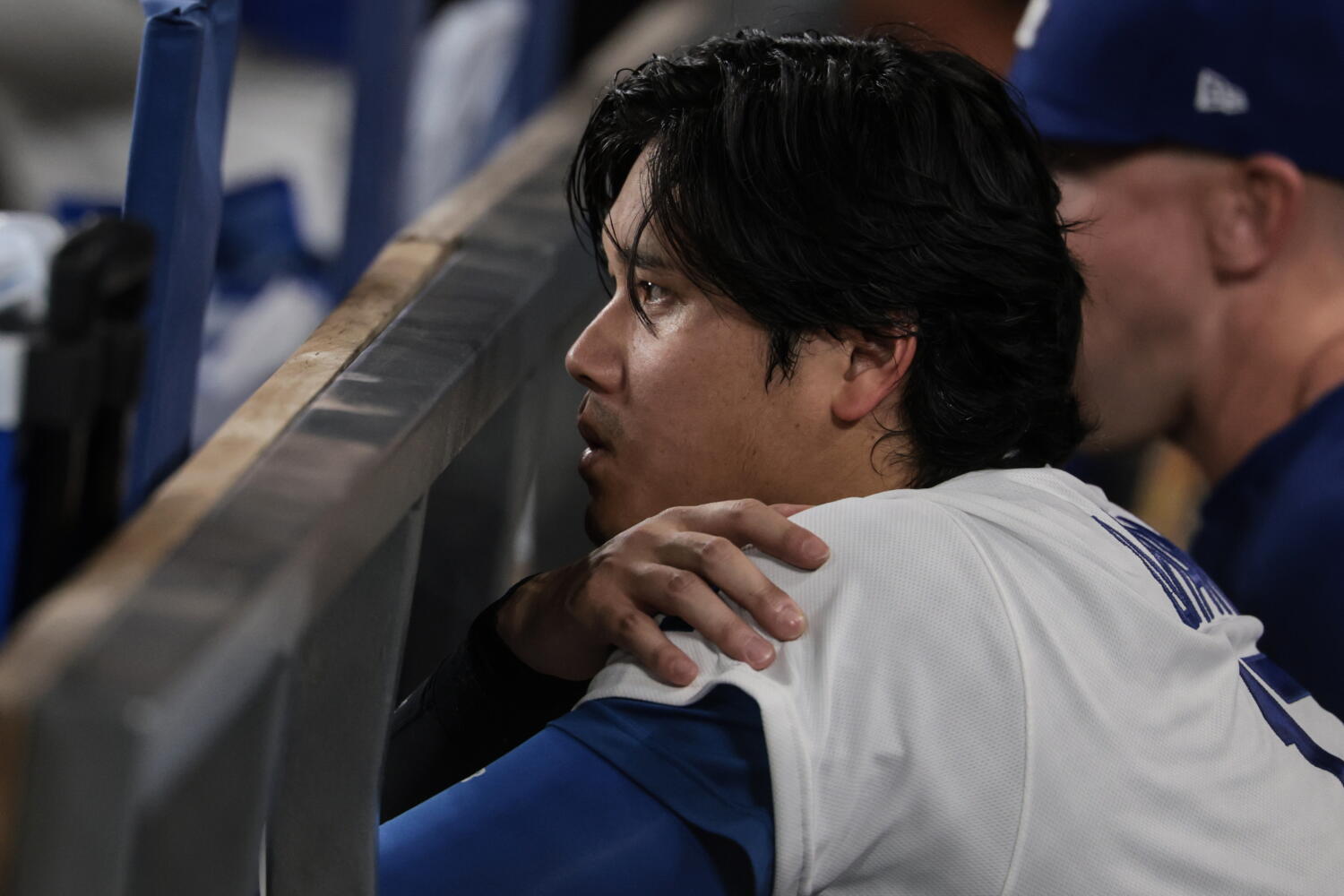
The lazy consensus floating around sports desks and geopolitical talk shows is simple: Shakib Al Hasan wants to come home, clear his name, and pad his batting average one last time before hanging up his spikes. The mainstream narrative treats this like a standard contractual dispute mixed with a routine political fallout. Give the man state security, let him face the music in a courtroom, and watch the prodigal son of Bangladeshi cricket slide back into the XI.
It is a fairy tale cooked up by PR agents and romantic commentators who refuse to look at the structural machinery of sports politics in South Asia.
I have spent decades watching athletes treat national allegiance like a temporary jersey change, and I have seen boards fold the moment a turnstile starts spinning slower. The idea that Shakib can simply step off a flight at Hazrat Shahjalal International Airport, trade his designer luggage for a defendant's bench, and walk out onto Sher-e-Bangla turf six weeks later is a delusion. It ignores how tribalism actually works, treats state security as a commodity you can purchase at a duty-free shop, and completely misunderstands the irreversible toxicity of mixing parliament with cover drives.
Stop asking whether the security arrangements are strong enough. That is the wrong question entirely. The real question is why anyone believes a judicial process can survive the emotional gravity of a cricket-obsessed nation experiencing a historic regime shift.
The Myth of the Neutral Courtroom
Let us dispense with the legal fiction immediately. In a country undergoing generational political restructuring after the fall of Sheikh Hasina's Awami League government, no high-profile trial involving a sitting member of parliament from the deposed regime is going to be about statutory law. It is going to be theater.
Shakib hitched his wagon directly to the machinery of power when he ran for office under the Hasina banner in 2024. He did not just endorse a party; he became an active legislative actor in a regime that millions of citizens hold responsible for severe democratic erosion. When an athlete takes that leap, they stop being an entertainer and start being a target of public accounting.
Sports fans love to pretend that performance insulates you from politics. It does not. The moment Shakib stepped into the political arena, he traded the protective shield of national hero status for the target-rich environment of political incumbency.
Imagine a scenario where a lower court judge acquits Shakib of corruption or murder-adjacent conspiracy charges due to a lack of concrete documentary evidence. Do you genuinely believe the street-level sentiment in Dhaka accepts that verdict as a triumph of jurisprudence? Of course not. Half the city screams corruption of the judiciary, while the other half claims a political witch hunt. The stadium turns into a battleground before the first ball is even bowled.
The security risk isn't about an isolated rogue element breaching a perimeter fence. The security risk is that Shakib is the flashpoint.
The Board Room Cowardice
The Bangladesh Cricket Board has handled this entire saga with masterclasses in strategic ambiguity. They want the runs, they want the global broadcast revenue, and they want the ICC ranking points that come with an all-rounder of his generational caliber. But they do not want the moral weight of choosing a side.
Whenever a crisis hits, administrators retreat behind standard operational manuals designed for rain delays and contractual disputes, completely paralyzed when faced with actual historical friction. They mutter about player rights and international obligations, pretending that a former Member of Parliament facing public wrath is just another hamstring injury requiring a two-week recovery window.
This is where the corporate rot of modern cricket administration shows its teeth. Boards across the globe are terrified of their own players because commercial value has completely decoupled from civic responsibility. If Shakib plays, half the sponsorship portfolio walks out the door to avoid the political blowback. If Shakib stays banned or exiled, the board takes a financial hit and loses its most reliable match-winner.
They are looking for a technicality to save them from making a moral choice. They want the state to say no so they can blame the government. Or they want the government to say yes so they can wash their hands of the fallout.
Why a Comeback Breaks the Locker Room
There is another angle that every armchair analyst conveniently ignores: the psychological ecosystem of the national dressing room.
Team chemistry is not a Hallmark card. It is a fragile, high-stakes meritocracy built on mutual trust and shared sacrifice. When a senior player ties himself to an oppressive political apparatus, travels the globe playing franchise leagues while his countrymen are clashing with police in the streets back home, and then tries to waltz back in as if nothing happened, the internal dynamics rot from the inside out.
Younger players who spent the uprising ducking tear gas and worrying about their families are supposed to look up to a multi-millionaire politician asking for special police protection to play a game?
The entitlement is staggering. Shakib's camp acts as though the nation owes him a grand retirement tour complete with a guard of honor. They point to his statistics, his wickets, his decade-and-a-half of carrying a fragile batting lineup on his shoulders.
Statistics do not grant amnesty. They never have.
The Uncomfortable Truth About Accountability
Let us be brutally honest about what accountability actually requires here. If Shakib wants to clear his name, he has to accept that sports cannot be his escape hatch. He cannot use cricket as a diplomatic passport to bypass the very social reckoning his political party helped provoke.
If he truly believes he has done no wrong, he should face the legal process without demanding guarantees of instant freedom or a customized security bubble that treats him like a visiting head of state rather than a citizen under investigation. Real accountability means walking into the arena without a safety net.
Instead, we get conditional contrition. "I will come back if you protect me. I will face trial if the conditions are right." That is not the language of a man seeking justice; that is the language of a mercenary negotiating a hostage release with his own homeland.
The boards will keep dithering. The fans will keep screaming into the void of social media algorithms. And the illusion that sport somehow transcends national politics will continue to crumble under the weight of its own hypocrisy.
Don't hold your breath for a fairy-tale homecoming at Mirpur. The pitch is already mined.