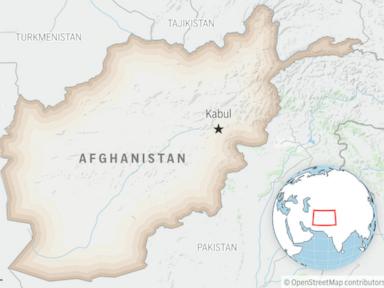
The door does not just open; it splinters.
Dawn has barely begun to bleed through the dust-streaked windows of the office in Kabul, casting long, fractured shadows across stacks of papers, half-empty tea cups, and quiet computers. For months, the people inside this room had operated under a heavy, suffocating weight. They knew the risks. They knew the cost of standing in the gap between vulnerability and total erasure. Yet, they kept showing up. They brewed the tea. They reviewed the cases. They answered the desperate knocks of mothers and children who had nowhere else left to turn.
Then came the heavy boots.
According to reports verified by Human Rights Watch, armed men belonging to the Taliban’s intelligence directorate breached the premises of a prominent women’s and children’s rights organization. They did not come to negotiate. They came to silence. Six staff members were detained, pulled from their desks, and swallowed into the opaque, terrifying machinery of arbitrary detention.
Silence. That is the ultimate goal.
To understand why this raid matters, you have to step away from the sterile wire service alerts and look at what those six individuals represented. They were not combatants. They were social workers, advocates, and administrative pillars holding up a fragile ceiling for a demographic that has been systematically erased from public life.
Consider what happens when you remove the advocates.
A door closes permanently. A survivor of domestic violence finds a locked office instead of a safe haven. A malnourished child loses the supplemental aid tracked by a dedicated caseworker. The removal of these six staff members is not merely an arrest; it is a calculated blow designed to sever the last remaining lifelines connecting marginalized populations to basic human dignity.
Fear is an architect. It builds walls inside the mind long before it builds prison cells.
When organizations dedicated to human rights are targeted, a chilling message ripples through the entire society. It tells the teacher, the journalist, the doctor, and the neighbor that empathy is now a criminal offense. It forces underground an entire ecosystem of care that previously operated in the harsh light of day.
Look closer at the mechanics of this repression. It relies on ambiguity. Families of the detained staff are often left in the dark, bouncing between administrative black holes with no access to legal representation or transparent charges. This uncertainty is not an administrative oversight. It is a feature. It exhausts the spirit. It wears down the resistance of communities until compliance feels like the only option left for survival.
History teaches us a harsh lesson about moments like this. When the defenders of the vulnerable are locked away, the vulnerable are left defenseless. The world watches through screens thousands of miles away, clicking past headlines, absorbing the shock for a brief second before the algorithm feeds them something lighter, something easier to digest.
We must not look away.
The detention of these six human rights defenders is a litmus test for the conscience of the international community. It asks a brutal question: How much absence are we willing to accept before we call it by its name?
The office in Kabul remains empty today. The tea cups are unwashed. But the necessity of the work they performed has not vanished. It hangs in the heavy air, waiting for the courage to return.