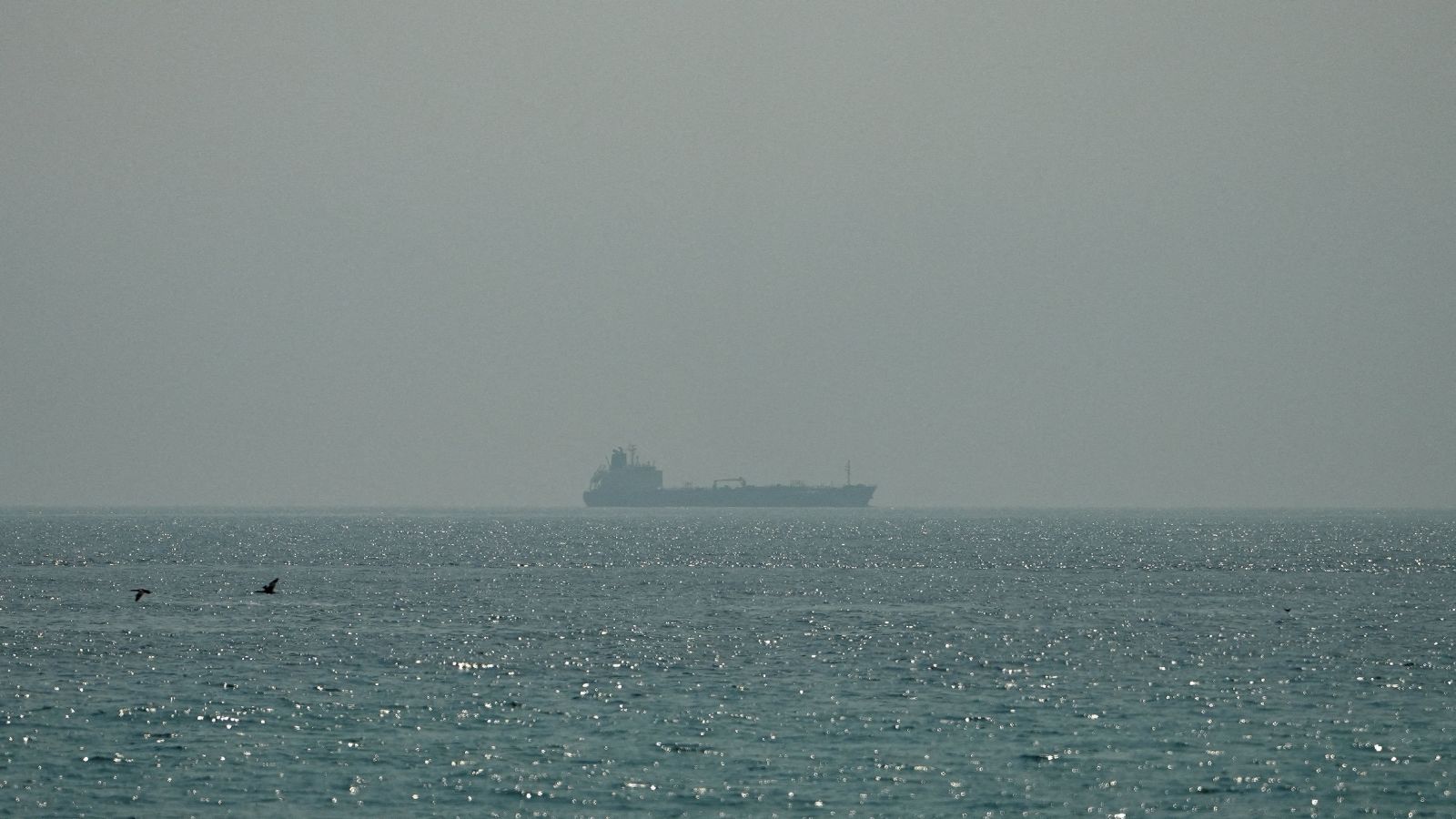
Major petroleum corporations are quietly pulling back from vessels tied to Iran's blacklists, fundamentally shifting how crude moves across international waters. For years, the maritime shadow economy operated in plain sight. Tankers drifted through the Persian Gulf, manipulating transponders and executing clandestine ship-to-ship transfers to keep sanctioned barrels flowing to refineries in Asia. Now, the risk calculus has mutated. Compliance departments across Houston, London, and Geneva are sounding alarms over escalating enforcement measures, forcing traders to abandon relationships that were once considered standard, calculated business risks.
Decades of covering commodity markets teach you one immutable truth. Risk never disappears; it merely migrates. When the United States and its allies tighten the screws on the maritime network carrying Iranian and Russian energy products, mainstream operators do not simply stop trading. They retreat behind layers of corporate opacity, leaving the dirtiest logistics to shell companies registered in secretive jurisdictions. Yet, the recent wave of designations targeting specific vessels and management firms has crossed a threshold. The cost of non-compliance has shifted from a manageable regulatory fine to an existential operational threat.
The Anatomy of Maritime Evasion
Understanding why oil companies are suddenly fleeing blacklisted tonnage requires looking closely at how the shadow fleet operates. For years, aging tankers long past their prime retirement age found a lucrative second life. Instead of heading to scrap yards in Alang, India, these vessels changed hands through opaque intermediaries, often backed by obscure capital sources in the Middle East or Asia. They traded at inflated prices precisely because they could perform illicit voyages.
These ships specialize in obfuscation. They turn off their Automated Identification Systems transponders while slipping through maritime choke points. They paint over hull names, fly flags of convenience that change with the weather, and conduct nocturnal cargo transfers in open water. Refineries willing to purchase discounted crude find eager middlemen ready to obscure the paper trail.
Insurance forms the critical vulnerability in this architecture. Traditional protection and indemnity clubs, mostly anchored in Western maritime capitals, provide the liability coverage necessary to enter major ports. When regulators signal that insuring a blacklisted vessel exposes the insurer to secondary penalties, the entire house of cards wobbles. Without standard maritime insurance, a tanker becomes a pariah, unable to dock at legitimate terminals without risking immediate seizure.
The Compliance Panic in Boardrooms
Corporate legal teams are currently living through a nightmare scenario. The Office of Foreign Assets Control and its international counterparts have accelerated the pace of vessel designations. Ships are no longer flagged abstractly; specific Hulls and Maritime Organization numbers find themselves pinned to sanction lists on a weekly basis.
This hyper-targeted enforcement creates a compliance trap. A trading desk might charter a vessel believing it clean, only for that ship to receive a designation mid-voyage. Suddenly, the cargo onboard becomes toxic. Refiners refuse delivery to avoid contamination of their own supply chains or freezing of their dollar-denominated accounts. Banks financing the trade panic, demanding immediate legal assurances that no sanctioned entities touched the transaction.
Risk officers are responding with blunt instruments. Many energy majors have instituted blanket bans on any vessel that has engaged in ship-to-ship transfers within high-risk zones over the past twelve months. Others refuse ships older than fifteen years, effectively locking out the vast majority of the shadow fleet from mainstream charters. This defensive posture stems from a simple calculation. The margin on a single cargo of discounted crude is never worth the risk of losing access to the global financial system.
Where the Barrels Go Now
Energy markets abhor a vacuum. When mainstream traders step back, alternative networks expand to fill the void. The withdrawal of premier oil companies from blacklisted ships does not mean Iranian output is staying in the ground. Instead, the trade is fracturing further into a parallel financial and logistical universe.
Smaller, independent traders based outside traditional Western jurisdictions are stepping into the breach. These entities often operate with minimal physical assets, relying on localized banking channels that do not clear through New York or London. Transactions are settled in alternative currencies, or through barter arrangements that bypass conventional currency markets entirely.
This segmentation of the market carries severe long-term consequences for safety and environmental governance. The shadow fleet is aging, poorly maintained, and frequently under-insured. When an uninspected, substandard tanker carrying millions of barrels of heavy crude suffers a mechanical failure in international waters, the financial and ecological fallout falls squarely on coastal states ill-equipped to handle environmental disasters. The push by mainstream oil companies to distance themselves from these vessels protects corporate balance sheets, but it leaves the global commons dangerously exposed.
The Broader Energy Security Paradox
Governments imposing these sanctions face a perpetual paradox. Punishing rogue maritime networks drives up the price of oil by constricting effective supply, yet failing to enforce restrictions renders the policy toothless. By forcing mainstream operators to abandon blacklisted ships, regulators achieve their immediate goal of isolating bad actors. Simultaneously, they push the entire trade further into the shadows, making transparency an impossible dream.
As enforcement mechanisms grow more sophisticated, incorporating satellite imagery, radio frequency tracking, and blockchain ledger analysis, the gray zone is shrinking. Yet, human ingenuity in commerce always finds a workaround. Traders are already experimenting with new corporate structures, decentralized ownership models, and novel routing methods to keep the oil moving. The relationship between energy majors and blacklisted ships is changing, but the underlying thirst for discounted barrels remains absolute.
The tankers will continue to sail in the twilight, their lights dark, their papers forged, navigating a world where rules are written by diplomats and rewritten by smugglers.