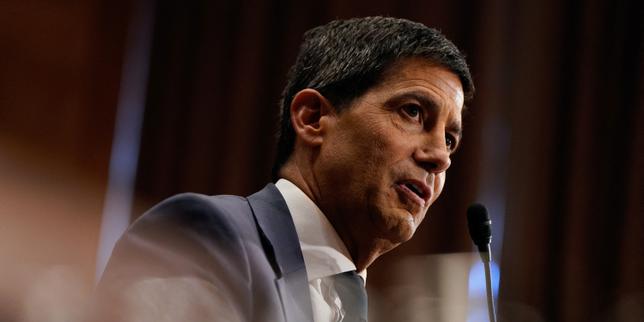
The Federal Reserve is supposed to be the adult in the room. It handles the boring, technical business of interest rates and inflation while politicians shout at each other on C-SPAN. That’s the theory. But right now, the process of confirming Kevin Warsh as the next Fed chair is shredding that illusion. It’s messy, it’s political, and it’s a snapshot of how Washington is currently operating.
You’re probably wondering why this matters for your wallet. If you have a mortgage, a car loan, or are looking at the stock market, you should care. The person at the head of the Fed doesn’t just sit in an office; they influence the cost of every dollar you borrow.
What Warsh Actually Means For Rates
Historically, Kevin Warsh was seen as a hawk. That means someone who worries more about inflation than economic growth. Back during his time as a governor at the Fed from 2006 to 2011, he wasn’t exactly known for being eager to slash rates.
But people change. Or, more accurately, they adapt.
In the lead-up to this nomination, Warsh has hinted at a shift. He’s mentioned how technology and artificial intelligence could actually help keep prices stable by boosting productivity. It’s a convenient, if not slightly calculated, pivot toward the "dovish" side. Why does this matter? Because President Trump has been incredibly loud about wanting lower interest rates. If you’re a cynic, you see Warsh as a candidate who is telling the White House exactly what they want to hear to get the job.
The Senate Grilling Explained
Watching the confirmation hearing on Tuesday was like watching a political boxing match. You had Democrats like Elizabeth Warren coming out swinging. She labeled Warsh a "sock puppet," implying he’s just there to do Trump’s bidding.
She asked him point-blank if he believed Donald Trump lost the 2020 election. Warsh fumbled, tried to pivot to talking about Fed independence, and basically refused to give a simple, direct answer. It was a classic "don't answer the question" move that usually frustrates voters and fires up the opposition.
The real fireworks, though, weren't just about his politics. They were about his wealth. We are talking about a guy worth over $100 million, with a portfolio that includes crypto and AI ventures. When senators started asking if his investments were connected to people or entities that might create a conflict of interest, the answers were, let’s say, elusive. He promised to sell his assets if confirmed, but the trust deficit is clearly massive.
The Republican Roadblock
Here’s where it gets really weird. It’s not just Democrats fighting this. You have a Republican senator, Thom Tillis, who is openly blocking the nomination.
Tillis isn’t doing it because he hates Warsh. He’s doing it because he’s furious about a Department of Justice investigation into outgoing Fed Chair Jerome Powell over some construction budget overruns. Tillis views this investigation as a politically motivated hit job. He’s basically holding Warsh’s career hostage until the Justice Department drops the probe into Powell.
It’s an incredible example of how federal power plays are currently being weaponized. The fate of the US economy, in terms of leadership, is being delayed because of a fight over office renovations and a standoff between a Republican senator and his own party’s administration.
Why The Illusion Of Independence Is Fading
The central bank’s power relies entirely on the idea that it’s independent. If the market thinks the Fed chair is just a tool for the president, then the whole system loses credibility.
Warsh tells the Senate he’s committed to independence. He says, "The president never asked me to commit to interest rate cuts." But in the same week, President Trump tells the media he would be "disappointed" if Warsh didn't immediately cut rates. It’s hard to project independence when the person who appointed you is publicly setting your to-do list.
What You Should Watch For Next
If you’re trying to figure out what happens, stop looking for a clean, logical outcome. Here is the reality of the situation:
- The Tillis Standoff: Until that investigation into Jerome Powell is handled, Warsh is in limbo. Keep an eye on the Department of Justice. If that case goes away, the path opens up.
- The Committee Vote: Warsh needs to survive the Senate Banking Committee before the full Senate even gets to vote. Democrats will continue to use this as a platform to drag out his financial disclosures and his relationship with the Trump administration.
- The Fed’s Messaging: Pay attention to the Fed’s communication during this transition. If they start signaling rate cuts that seem disconnected from the actual inflation data, you’ll know the pressure from the White House is working.
Don’t bet on a smooth transition. Don’t assume the "experts" in Washington will just agree and move on. We are in a cycle of high-stakes political theater, and the Fed is center stage. Keep your finances flexible and stay skeptical of anyone who tells you this is just another routine appointment. It’s absolutely not.