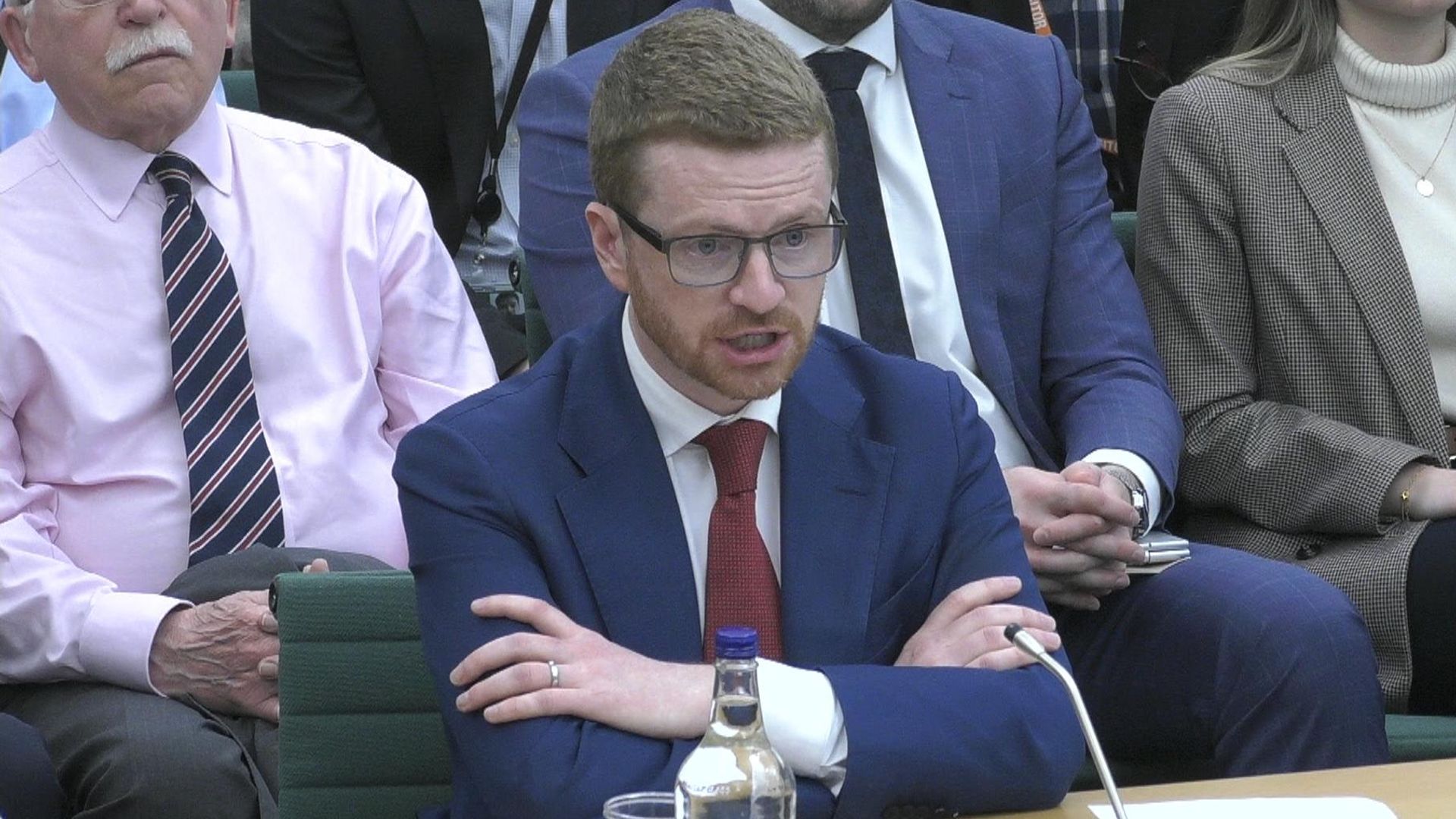
The security around Downing Street is supposed to be ironclad. You’d think the personal devices of the Prime Minister’s most influential advisors would be guarded like the Crown Jewels. Apparently, that isn't always the case. A 44-year-old man was recently arrested on suspicion of handling stolen goods after he reportedly tried to sell a mobile phone belonging to Morgan McSweeney. For those who aren't political junkies, McSweeney is the Downing Street Chief of Staff and the strategic engine behind the current Labour government.
This isn't just about a lost piece of hardware. When a high-level government official loses a phone, it’s a potential national security nightmare. It’s a goldmine of contacts, private messages, and sensitive schedules. The fact that someone was allegedly walking around trying to hawk it at a shop or to a person on the street is both absurd and terrifying.
Police caught up with the suspect in south London. The Metropolitan Police confirmed the arrest followed a report of someone attempting to sell a device that had been reported stolen earlier. It raises a massive question. How does the most powerful advisor in the country lose his phone in a way that it ends up in the hands of a petty criminal?
The Vulnerability of Power
We often imagine that people like McSweeney move in a permanent bubble of protection. They don't. They take trains. They walk to coffee shops. They live real lives in a city that, frankly, has a massive problem with phone snatching. In London, a phone is stolen every few minutes. Thieves on mopeds or bikes target anyone looking at a screen. Even a Chief of Staff isn't immune to a quick-fingered thief in a crowded area.
The risk here isn't that the thief is a foreign spy. Usually, it's just a guy looking to make a quick hundred quid to cover a debt or a habit. But the secondary risk is massive. If that phone isn't wiped immediately, the data inside is vulnerable. Modern encryption is good, but it's not invincible if the person who finds it is tech-savvy or sells it to someone who is.
What We Know About the Arrest
The Met Police didn't mince words. They tracked the individual down after a "report of a man attempting to sell a mobile phone that had been stolen." The suspect remains in custody. Sources suggest the phone was taken during a "theft person" incident—police speak for a pickpocketing or a snatch-and-grab.
It happened in a public place. It wasn't a sophisticated cyberattack. It wasn't a break-in at a secure facility. It was likely a moment of distraction. We've all been there. You put your phone on a table for a second or feel a bump in a crowd. By the time you reach for your pocket, it's gone. For a normal person, that’s an annoyance. For McSweeney, it’s a crisis that involves the Cabinet Office and security services.
Why Morgan McSweeney Matters So Much
McSweeney is the architect. He’s the guy who took the Labour Party from the brink of irrelevance and mapped out the path to a landslide victory. He isn't just an employee; he’s the institutional memory and the strategic brain of the current administration.
- He manages the internal dynamics of Number 10.
- He bridges the gap between the political party and the civil service.
- He holds the keys to the long-term policy goals of the Prime Minister.
If you have his phone, you have his WhatsApp logs. You have his emails. You have the private numbers of every Cabinet minister. Even if the device was locked, the mere fact it was out of government control for any length of time is a "red code" situation.
The Reality of London Phone Crime
You can't talk about this without looking at the state of crime in the capital. The police are struggling. Detection rates for phone theft are embarrassingly low. Most people don't even get an officer to visit them when their phone is stolen. They just get a crime reference number for their insurance.
But when the victim is a top government official, the resources suddenly appear. That’s the cynical take, anyway. The reality is that the police likely tracked the device using GPS or were alerted by a savvy shopkeeper who noticed something was off about the seller.
Government Security Protocols Under the Microscope
Every government staffer gets a briefing on "opsec" or operational security. They’re told to use encrypted apps. They’re told to use two-factor authentication. They’re told never to leave devices unattended.
Clearly, the system failed here. It might have been a physical failure—a struggle or a clever distraction. But it puts a spotlight on whether these high-level officials should be carrying standard devices or if they need more hardware-level protection. Most "work" phones in government are managed by IT departments that can trigger a remote wipe the moment a loss is reported. We have to hope that happened within seconds of the theft.
What Happens to the Data
If the phone was encrypted—which it almost certainly was—the average thief can't get in. They usually factory reset the phone and sell it for parts or to an unsuspecting buyer in a different country. The "value" is the hardware.
However, if the thief realizes whose phone they have, the price goes up. Not on the street, but on the dark web or to hostile actors. There is a market for the metadata alone. Who is the Chief of Staff talking to? How often? What times of night is he active? This is the kind of "pattern of life" information that intelligence agencies crave.
Lessons for Everyone
You aren't a high-ranking political operative. Or maybe you are. Either way, this incident is a reminder that the physical security of your device is the first line of defense.
- Use a long passcode. Four digits is a joke. Use at least six, or better yet, an alphanumeric password.
- Enable "Find My" services. This isn't just for finding it under the sofa. It's for the remote wipe feature.
- Be aware of your surroundings. Don't walk with your phone out in high-theft areas like Westminster or the West End.
- Back up daily. The hardware is replaceable. The photos and documents aren't.
The man arrested in south London might have thought he was just flipping another smartphone. Instead, he walked right into a high-stakes security incident. It's a reminder that in the world of high politics, even a simple walk down the street can turn into a headline-grabbing disaster.
Check your own security settings right now. Ensure your "Remote Wipe" is active and your cloud backups are current. You don't want to be the next person whose digital life is being haggled over in a pawn shop.


