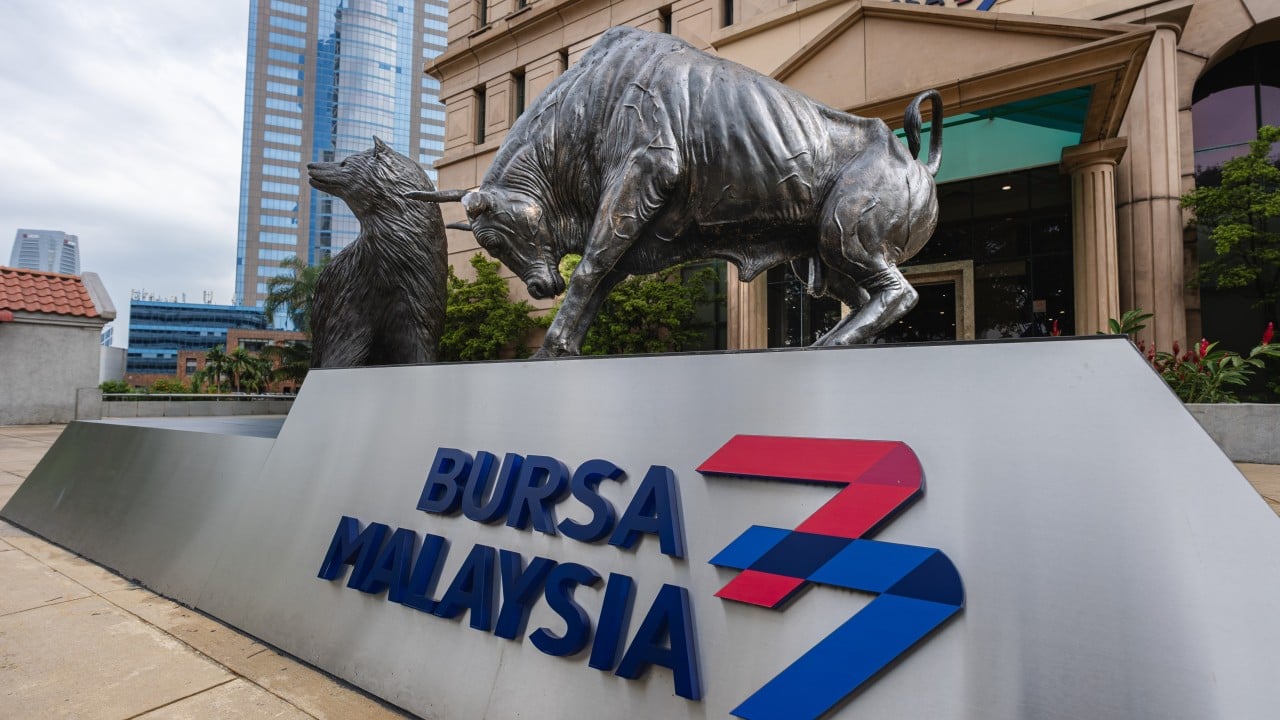
HKEX and Bursa Malaysia just signed another round of handshakes and press releases. The big announcement? Malaysian public companies can now pursue secondary listings in Hong Kong. Executive suites in Kuala Lumpur are uncorking champagne, while corporate finance teams scramble to draft listing proposals.
They should put the cork back in.
This isn't a shortcut to global institutional capital. It's a costly vanity exercise.
For decades, stock exchanges have sold the dream of cross-border dual listings. The pitch is always identical: double your exposure, tap into deep pools of foreign liquidity, unlock higher valuation multiples, and establish a global footprint.
The reality? Dual listings are where corporate capital goes to die.
The Illusion of Hong Kong Liquidity
Every CFO dreaming of a Hong Kong secondary listing envisions access to mainland Chinese retail capital and massive global hedge funds. They see HKEX's market capitalization and assume a fraction of that trading volume will naturally rub off on their stock.
It won't.
Trading volume follows a fundamental power law: liquidity concentrates where the primary price discovery happens. When a company lists its shares on a secondary venue without an organic operational presence or massive analyst coverage in that local market, trading volume on the secondary exchange almost always collapses to near zero within twelve months.
Look at the history of cross-listings across Asia. When Southeast Asian firms attempt secondary listings in regional hubs without relocating core operations or generating regional revenue, the order books look like ghost towns. Market makers demand wider spreads to compensate for illiquidity, arbitragers bleed off any temporary price discrepancies between Kuala Lumpur and Hong Kong, and local retail investors in Hong Kong stick to what they know: Chinese tech giants, state-owned enterprises, and local property magnates.
Why would a retail investor in Kowloon or an institutional fund manager in Central trade a secondary share of a Malaysian palm oil producer or mid-tier infrastructure firm when they can trade high-beta local counters with massive daily volume? They won't.
Follow the Money: Who Actually Wins?
If secondary listings rarely deliver meaningful liquidity or valuation premiums for mid-cap corporates, why do exchange executives and financial advisors push them so aggressively?
Because the fee engine never stops running.
Every cross-border listing requires an army of intermediaries. You pay HKEX listing fees. You pay Malaysian and Hong Kong legal counsel to reconcile regulatory frameworks. You pay Big Four accounting firms to map financial disclosures across distinct reporting standards. You pay compliance advisers, depository banks, public relations agencies, and roadshow coordinators.
I've watched companies blow millions of dollars setting up secondary listings, only to spend another half-million annually just to keep the lights on for a secondary ticker that trades a few thousand shares a week.
HKEX needs this deal far more than Malaysian corporates do. Hong Kong has spent years attempting to diversify its issuer base away from heavy reliance on mainland Chinese state enterprises and tech firms. Expanding its "Recognised Stock Exchange" list to include Southeast Asian bourses allows HKEX to project global breadth.
Bursa Malaysia gets to claim it is building bridges to international capital markets.
The bankers get upfront underwriting and advisory fees.
The only entity taking on raw risk with zero guaranteed return is the issuing company and its existing shareholders, who watch corporate cash reserves burn to fund a ticker symbol that nobody trades.
The Regulatory Dual-Burden
Proponents claim the newly streamlined regulatory framework makes dual listings simple.
Do not confuse "streamlined" with "effortless."
Operating as a public company in a single jurisdiction is already an administrative burden. Operating across two jurisdictions with distinct regulatory philosophies, disclosure timelines, and corporate governance requirements introduces immediate operational drag.
Consider a simple corporate action: a dividend payout, a rights issue, or a material acquisition announcement.
Suddenly, executive teams must navigate differing regulatory clearance schedules, currency conversion risk, dual settlement windows, and conflicting reporting obligations. A regulatory inquiry in Hong Kong forces immediate responses from Kuala Lumpur teams, diverting management's attention away from running the actual operating business.
When corporate leaders spend 20% of their bandwidth managing overseas compliance logistics, operational performance suffers. When operational performance suffers, earnings stagnate. When earnings stagnate, stock prices fall—on both exchanges.
Imagine a scenario where a mid-tier Malaysian technology firm spends $3 million executing an HKEX secondary listing. They raise modest secondary capital, but trading volume on HKEX shrinks to $50,000 a day. Meanwhile, their executive team spends weeks every quarter managing Hong Kong regulatory filings instead of expanding their core operating margins in Southeast Asia. The secondary listing didn't unlock value; it created a permanent tax on management focus.
Real Capital Doesn't Need a Dual Listing
The fundamental premise behind the push for secondary listings rests on an outdated financial assumption: that capital is geographically trapped.
Thirty years ago, if a global institutional fund wanted exposure to a Southeast Asian corporate, buying shares on a foreign exchange was cumbersome and expensive. Local market access barriers were high.
That world no longer exists.
Modern global capital moves frictionlessly. Global institutional funds in London, New York, or Singapore that want exposure to high-growth Malaysian equities do not wait for those companies to list on HKEX. They trade directly on Bursa Malaysia through foreign institutional brokers, global custodians, and depositary receipts.
If an international fund isn't buying your stock on Bursa Malaysia today, it isn't because you lack a Hong Kong secondary ticker. It's because your earnings growth, corporate governance, return on equity, or market capitalization isn't attractive enough to justify their capital allocation.
A secondary listing is a cosmetic fix for a fundamental investor relations problem.
What Corporate Leaders Should Do Instead
If you run a public company on Bursa Malaysia and want to unlock higher valuations and broader investor reach, ignore the siren call of secondary listings. Do this instead:
- Fix Your Local Liquidity First: Focus on expanding your free float and improving your equity research coverage in your home market. Institutional investors care far more about average daily traded value than the geographic address of the exchange.
- Build Direct Investor Relations in Financial Hubs: Instead of spending millions on a secondary listing, spend a fraction of that budget hosting non-deal roadshows directly with institutional fund managers in Hong Kong, Singapore, and London. Teach them your equity story directly on your home ticker.
- Deploy Capital Into Core Operations: Take the millions of dollars you would have spent on Hong Kong advisory fees, legal retainers, and exchange maintenance costs, and reinvest it directly into research and development, operational efficiency, or strategic acquisitions.
Building a market-leading business with high return on invested capital will compel international money to find you, no matter where your primary ticker sits. Changing your stock exchange code won't fix a broken equity story.
Stop buying into exchange marketing campaigns. Focus on operational execution.