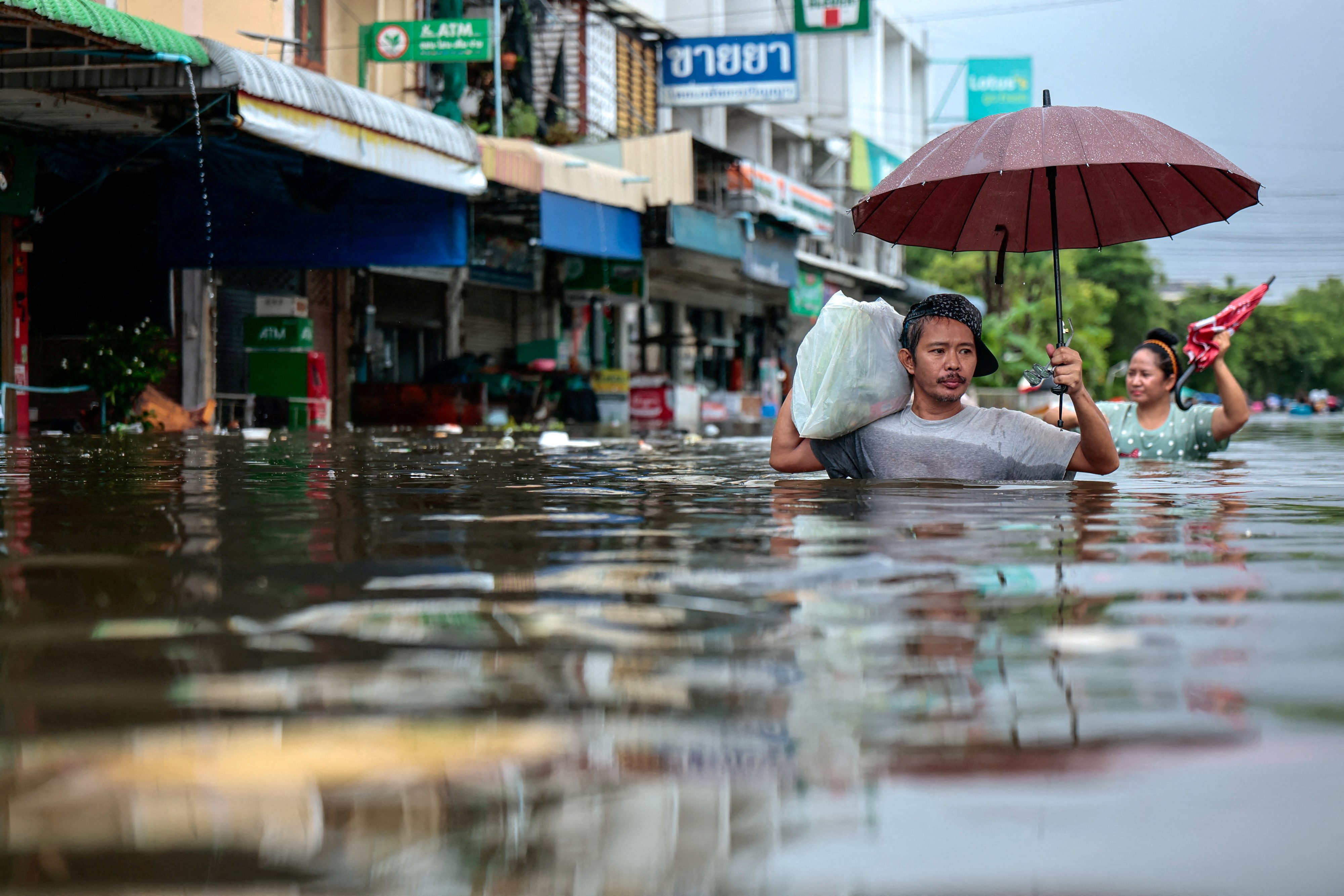
The air changes before the wind does. You feel it first against the back of your neck—a sudden, oppressive heaviness, as if the atmosphere itself has thickened into warm syrup. The humidity spikes, sticking shirt collars to skin, and the horizon turns a bruised, unnatural shade of violet. Out on the water, the familiar rhythm of the Pacific ceases. The long, rolling swells flatten into an eerie, oily calm, mirroring a sky that refuses to blink.
Nature does not whisper when she shifts her weight. She screams. Learn more on a related issue: this related article.
Across two very different corners of the vast blue expanse, two atmospheric engines are spinning into violent life. In the warm, sun-bleached waters off Mexico’s Baja California peninsula, Hurricane Polo gathers its breath, churning the turquoise shallories into a frothing fury. Thousands of miles away, suspended like green emeralds in the middle of the immense ocean, the Hawaiian Islands brace for their own celestial trial as Hurricane Nolo looms on the horizon.
Two storms. Two distinct geographies. One shared human vulnerability. More analysis by The New York Times highlights similar perspectives on the subject.
To understand what happens when a hurricane forms, you have to look down from space. You have to see the ocean not as water, but as fuel. Every tropical cyclone is a heat engine, feeding on the invisible warmth radiating off the sea surface. When water temperatures climb past eighty degrees Fahrenheit, evaporation goes into overdrive. Moist air rises, cools, condenses, and releases latent heat. That heat drives the rotation. It spins the air faster and faster, wrapping white bands of cloud around a terrifying, hollow center.
A hurricane is essentially a living machine built out of air and water, consuming warmth to feed its own momentum.
Consider what this means for a place like Baja California. Here, the desert meets the sea in a dramatic clash of granite and surf. Towns like Cabo San Lucas and Todos Santos are built on a delicate balance of sun-drenched tourism and rugged isolation. When a storm like Polo takes aim at this coastline, it is not merely a weather event. It is a total disruption of existence.
Imagine waking up in a stucco home overlooking the Sea of Cortez. The morning light usually strikes the water with a blinding, diamond-like brilliance. Today, the light is gray and flat.
By noon, the local authorities are driving through the narrow streets with loudspeakers, their voices tinny and urgent, echoing off the concrete walls. Evacuate.
There is a distinct kind of dread that settles into the stomach during those hours. You pack the essentials into a single canvas bag: passports, photographs of grandparents, a spare charger, medication. You tape the glass windows in a haphazard pattern of duct tape, hoping against hope that it might stop a stray branch or a flying tile. You look out at the palm trees, their fronds already bending backward, straining against the invisible fist of the wind.
You leave. And as you drive north up the spine of the peninsula, watching the ocean turn from blue to slate to an angry, foam-streaked white, you wonder if your home will still be standing when the sky clears.
Meanwhile, thousands of miles to the west, a completely different tragedy plays out against a paradisiacal backdrop. Hawaii is paradise, yes. But paradise is fragile.
When a system like Hurricane Nolo threatens the islands, the danger takes on a different texture. In Baja, the vast desert allows for wide expanses of evacuation, though flash floods down the mountain arroyos remain a lethal threat. In Hawaii, you are on an island. There is no driving inland to safety. You are surrounded by the very element that is rising up to consume you.
The isolation of the Hawaiian archipelago is its greatest charm and its most terrifying vulnerability. Supply chains stretch thousands of miles across the Pacific. When a hurricane approaches, cargo ships halt their routes, airplanes are grounded, and the islands become self-contained ecosystems once more.
Step inside a neighborhood grocery store in Honolulu twenty-four hours before a direct hit. The energy is frantic, electric, desperate. Canned tuna vanishes from the shelves in minutes. Bottled water stacks disappear as shoppers hoist heavy plastic cases into shopping carts with grim determination. Ice is gone. Flashlight batteries are sold out. People look at one another in the aisles not with the casual friendliness of tourists, but with the shared, ancient recognition of neighbors bracing for a siege.
The true cost of a hurricane is rarely measured in wind speeds alone. It is measured in hours of darkness.
When the eye of the storm finally makes landfall, the electricity grid fails. Transformers blow with blinding blue flashes across the neighborhoods, popping like distant artillery fire before plunging entire districts into pitch blackness. The wind takes over. It howls through the valleys, rattling roof tiles, tearing corrugated tin from sheds, and turning ordinary lawn furniture into lethal projectiles.
Inside a bathroom with the door shut tight, clutching a battery-powered radio that crackles with static and emergency broadcasts, time loses its shape. You listen to the house groan. You hear the deep, concussive thud of a falling eucalyptus tree hitting the earth outside.
You realize, with absolute clarity, how thin the veneer of human civilization truly is. We build our cities of glass, steel, and asphalt, convincing ourselves that we have conquered the planet. We map the oceans, predict the currents, and build seawalls. But when the atmosphere decides to flex its muscles, we are reminded that we are merely temporary tenants on a dynamic, restless world.
Behind the satellite loops and the meteorologists' calm, measured warnings on the evening news lies the raw, chaotic reality of nature asserting her dominance.
In Baja California, the arroyos will swell into raging torrents of mud and debris, washing out coastal highways and isolating small fishing villages for days. Bridges will buckle. Boats will be tossed onto the sand like discarded toys, their fiberglass hulls splintered against the rocks.
In Hawaii, torrential rains will trigger catastrophic landslides down the steep, lush mountain pali, burying roads and cutting off rural communities. The surf will grow monstrous, hammering the famous North Shore beaches with walls of water that chew away the coastline and swallow beachfront properties whole.
Yet, human resilience has a way of rising from the wreckage just as quickly as the floodwaters recede.
The morning after a hurricane brings a strange, surreal silence. The wind dies down to a gentle breeze. The clouds break, revealing patches of brilliant, mocking blue sky.
People step out of their front doors into the humid aftermath. They look around at the scattered debris, the broken branches, the mud-caked streets. And then, something remarkable happens. Someone drags a chainsaw out from a garage. Another neighbor brings out a rake. Within an hour, strangers are clearing the road together, dragging heavy limbs out of the way so emergency vehicles can pass.
Coffee is brewed on portable camp stoves and shared in paper cups. Stories are exchanged—how the roof held, how the window shattered, how terrifying it was when the wind shifted from the east.
Polo and Nolo are names written on tracking charts today, temporary labels given to swirling masses of vapor and kinetic energy. But to the people living beneath their paths, they are life-defining chapters. They are reminders that the earth is alive, breathing, and occasionally violent.
As the sun sets over a battered Pacific, casting a brilliant, fiery glow across the turbulent horizon, the ocean settles back into a deceptive calm, hiding its power once more until the next time the air changes.