Negotiators in London and New Delhi are discovering that signing a historic trade agreement is entirely different from actually making it work.
The India-UK Comprehensive Economic and Trade Agreement (CETA), signed with immense political fanfare in mid-2025, is currently frozen at the finish line. While optimistic press releases claim both sides are merely ironing out technicalities, the reality is far more volatile. A sudden regulatory pivot by the British government has effectively upended the delicate economic calculus that took more than three years to construct.
At the center of this diplomatic crisis is a stark, protectionist trade-off. India is openly threatening to revoke its highly anticipated tariff concessions on British Scotch whisky if the UK proceeds with aggressive new steel import restrictions scheduled to take effect on July 1, 2026.
What was meant to be Britain's signature post-Brexit economic triumph has devolved into a classic game of geopolitical chicken.
The Illusion of a Finished Deal
The CETA was supposed to be fully operational by now. When Prime Minister Keir Starmer and Prime Minister Narendra Modi celebrated the signing last year, the projections were staggering. Economists predicted the pact would boost bilateral trade by £25.5 billion annually by 2040, giving the UK unprecedented access to a market of 1.4 billion consumers while loosening visa rules for specialized Indian professionals.
Then came the policy shift from London.
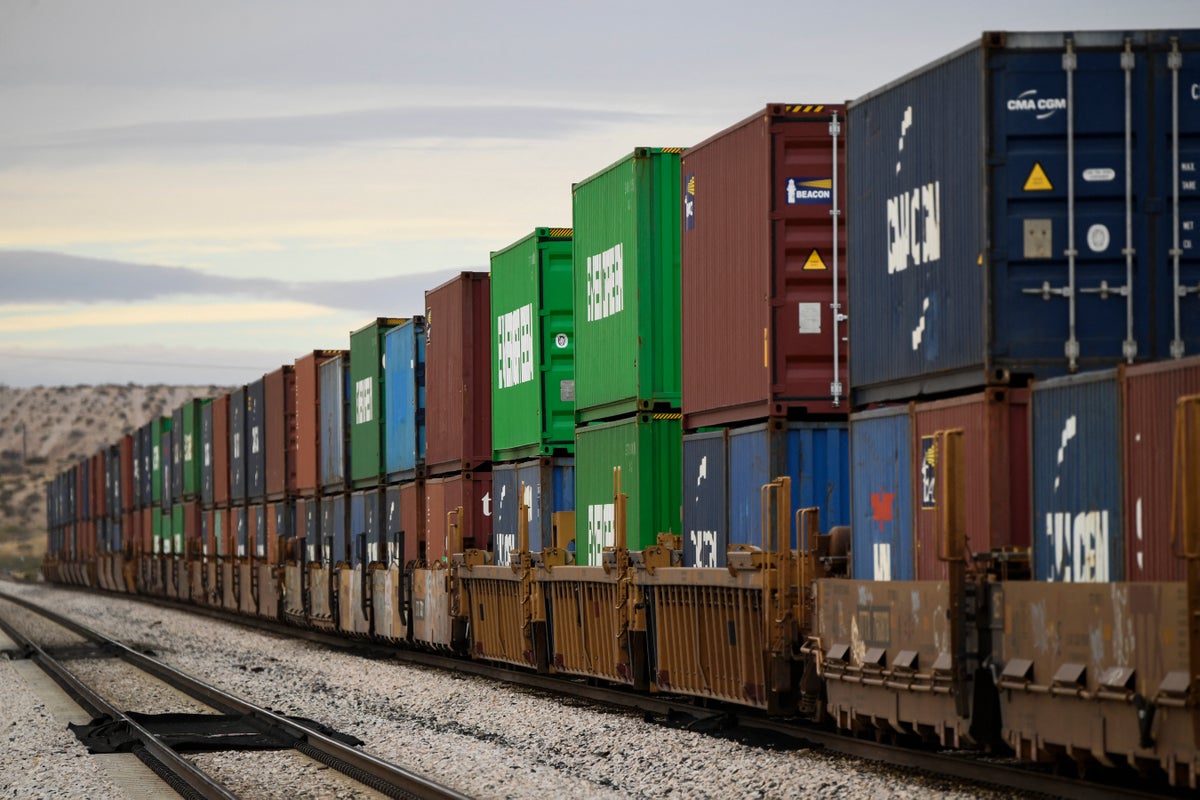
Driven by domestic political pressure to protect its struggling domestic metal manufacturers, the UK announced a drastic overhaul of its steel safeguard measures. Beginning July 1, 2026, tariff-free quota volumes for foreign steel will be slashed by 60%. Any shipment exceeding those lowered limits will instantly face a punitive 50% tariff.
To make matters worse for New Delhi, the UK is actively preparing to introduce its own Carbon Border Adjustment Mechanism (CBAM) in 2027. This carbon tax will penalize heavy industrial imports that do not meet strict emissions thresholds, directly hitting Indian exports of iron, steel, aluminum, and cement.
For India, this feels less like a partnership and more like a bait-and-switch. Commerce Ministry officials in New Delhi argue that these twin policies completely wipe out the market access benefits they bargained for during years of grueling talks.
Weapons of Choice
Trade diplomacy is rarely polite behind closed doors. India’s response to the steel quotas has been swift, calculated, and aimed directly at one of the UK’s most politically sensitive industries.
Under the terms agreed to last year, India was set to immediately halve its astronomical 150% import tariff on Scotch whisky down to 75%, with a gradual glide path down to 40% over the next decade. For the Scotch Whisky Association, which viewed India as its most lucrative expansion frontier, this concession was the crown jewel of the entire trade deal. It was projected to inject an extra £1 billion into British export revenues over five years.
Now, that entire arrangement is in jeopardy. Indian trade officials have stated unequivocally that they are prepared to rebalance the trade pact before it even begins. If London restricts Indian steel, New Delhi will keep the walls up against British spirits.
"The ball is entirely in their court," an Indian trade official stated bluntly during bilateral talks in early June. "We have not finalized our retaliation, but if they do not leverage the benefits we offered, we can and will reconsider our concessions on Scotch."
This is not empty posturing. It is a calculated assessment of economic leverage. India's merchandise exports to the UK totaled $13.4 billion in the last fiscal year, with iron and steel products accounting for nearly $900 million of that figure. New Delhi cannot allow nearly a billion dollars in annual commerce to be heavily taxed without extracting a price in return.
The High Cost of Domestic Protectionism
The standoff exposes a fundamental flaw in post-Brexit British trade strategy. The UK desperately needs high-growth external trading partners to compensate for its departure from the European Single Market. However, the domestic political demand to shelter legacy manufacturing sectors frequently undermines the very concessions required to secure those agreements.
British Secretary of State for Business and Trade Peter Kyle found himself in an uncomfortable position during meetings with Indian Commerce Minister Piyush Goyal on June 2. Kyle must balance the survival of British steel mills with the commercial ambitions of global British corporations.
To illustrate how this friction disrupts corporate planning, consider a hypothetical automotive manufacturer operating across both borders. Under the original framework, the company could import high-grade Indian steel components tariff-free to assemble vehicles in the UK, while simultaneously exporting British-made luxury goods back to India under lowered duties. Under the current impasse, that supply chain is paralyzed. The manufacturer faces a 50% penalty on its raw materials or a retaliatory tariff wall on its finished goods in Asia.
Uncertainty is the ultimate enemy of international commerce. As long as these implementation disputes linger, major corporations are freezing capital allocations intended for bilateral expansion.
The Mirage of Creative Solutions
Publicly, negotiators are attempting to project a calm, business-as-usual demeanor. Following emergency meetings of the Joint Economic and Trade Committee (JETCO), officials whispered to the press that one of the three core implementation hurdles had been resolved, with proposals and counter-proposals flying back and forth on the remaining two.
Yet, a fundamental structural gap cannot be bridged by mere diplomatic phrasing. The UK cannot easily exempt India from its steel safeguards without facing immediate challenges at the World Trade Organization from other major steel exporters like Japan, South Korea, and Turkey. Conversely, India cannot accept a deal where its primary industrial exports are heavily penalized by carbon taxes while British luxury items enjoy a frictionless path into Mumbai and Delhi.
The broader migration concessions within the pact—which granted targeted visa access for Indian chefs, musicians, and yoga instructors alongside a three-year social security exemption for temporary workers—are also tied to this economic equilibrium. If the core commercial balance of the deal collapses, the political will to sustain these sensitive immigration clauses will quickly vanish.
The coming weeks will determine whether the agreement lives or dies. Commerce Minister Piyush Goyal’s anticipated travel to London hinges entirely on whether British negotiators offer a genuine workaround for the July steel restrictions. If London holds firm on its protectionist safeguards, New Delhi will almost certainly freeze the whisky concessions, turning what was promised as a landmark free trade agreement into a hollow document of unfulfilled intent.