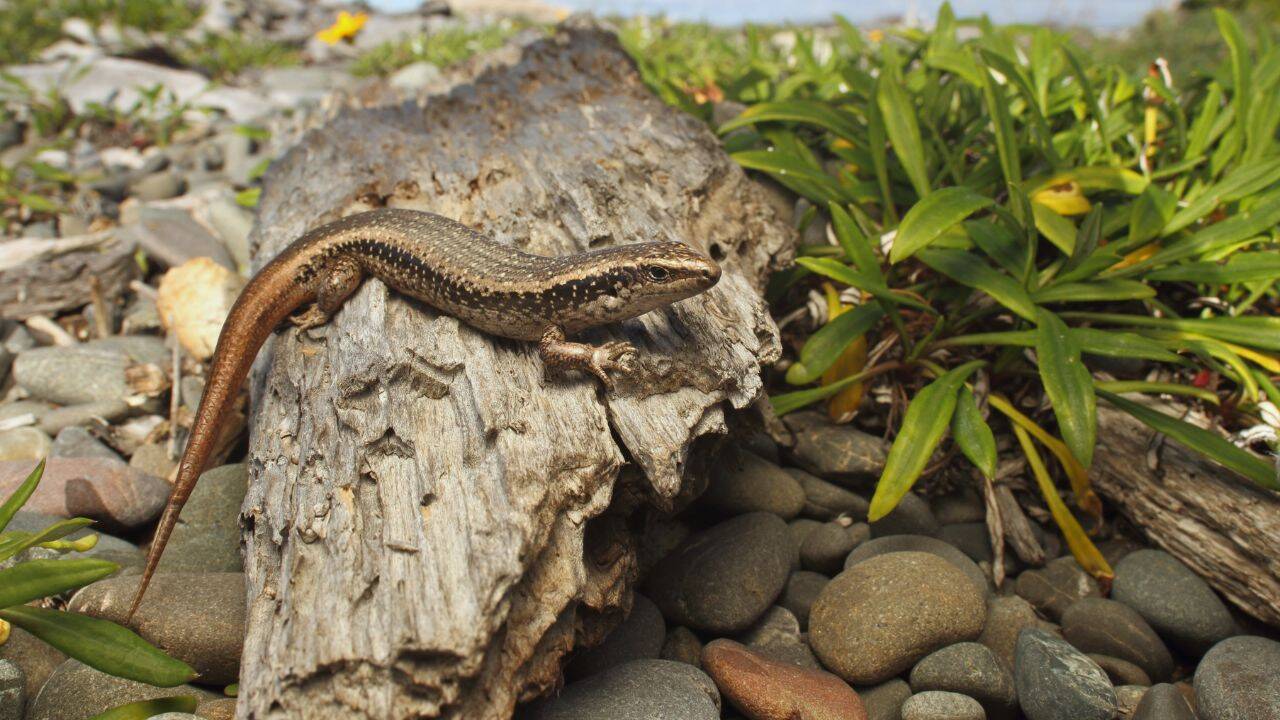
When urban expansion clashes with endangered wildlife, concrete usually wins. But a small coastal city in New Zealand recently flipped that script. Planners carved out a high-security, 676-square-metre pest-proof sanctuary specifically designed to keep some of the country's rarest lizards alive. Four northern spotted skinks were released into this custom enclosure, marking a desperate bid to rescue a population that nearly vanished entirely.
If you think a few lizards aren't worth changing major infrastructure plans for, you're missing the entire point of how fragile New Zealand's endemic ecosystems truly are. Don't miss our previous article on this related article.
The Backstory Behind the Napier Skink Population
Let's look at how things got this bad. Decades ago, native skinks thrived among coastal ground cover like Muehlenbeckia. During the 1960s and 1970s, humans flattened these natural dunes to install tidy mown lawns. Natural habitat vanished overnight.
For a long time, experts assumed the local northern spotted skink population was extinct. Then, a tiny surviving group popped up in 2006. Surveys conducted in the early 2020s painted a grim picture, estimating the total local count at fewer than 25 individuals. Without heavy human interference, extinction was basically guaranteed. To read more about the background of this, Reuters provides an excellent summary.
Then came a clash with modern civil engineering. Critical stormwater upgrades were scheduled for the area, threatening what little ground the surviving skinks had left. Instead of bulldozing right over them, local councils, regional authorities, conservation groups, and mana whenua collaborated on a clever workaround. They engineered a dedicated, predator-proof enclosure right along Marine Parade.
Inside the 676 Square Metre Fortress
Building a home for endangered reptiles isn't just about throwing some rocks down and crossing your fingers. Stoats, rats, and feral cats treat native lizards like an all-you-can-eat buffet.
This custom sanctuary features specialized fencing designed to stop climbing and burrowing predators completely. Inside, teams replanted native vegetation to mimic the historical coastal environment these cold-blooded animals actually need to regulate body temperature and hunt insects.
The project proves that infrastructure and conservation don't have to be enemies. The site chosen for the outfall pipe alignment happened to line up with a smart mitigation strategy. Taxpayer and ratepayer funds didn't just buy a concrete drain; they funded a high-security bunker for a species teetering on the edge.
Why Four Skinks Carry the Weight of an Entire Species
Releasing just four skinks might sound underwhelming to casual observers. You might wonder how four animals move the needle on conservation.
Lizard reproduction rates are slow. Every single healthy adult matters immensely when your total wild count sits in the double digits. This sanctuary acts as a controlled nursery. Protected from invasive predators, these four pioneers can feed, shelter, and hopefully breed without facing constant mortality threats.
Conservationists aren't stopping here. The long-term goal involves scouring other potential pockets to find more northern spotted skinks and introducing them into the sanctuary. Bringing in new blood is the only way to boost genetic diversity within such a tiny isolated group.
What This Means for Future Wildlife Projects
New Zealand has a massive feral predator problem. Pest-fenced mainland islands have popped up across the country, but carving out micro-sanctuaries inside urban or industrial development zones is a fresh playbook.
When public agencies are forced to upgrade stormwater systems or lay down expressways, factoring local herpetofauna into the design phase should become standard practice. If a 676-square-metre patch of land can buy a critically endangered reptile species a second lease on life, cities elsewhere have zero excuses.
Keep an eye on how these local populations bounce back over the next few years. If the sanctuary succeeds, expect to see miniature fortresses popping up beside civil engineering projects across the Pacific.